How does automotive PCBA ensure compatibility with different vehicle systems?
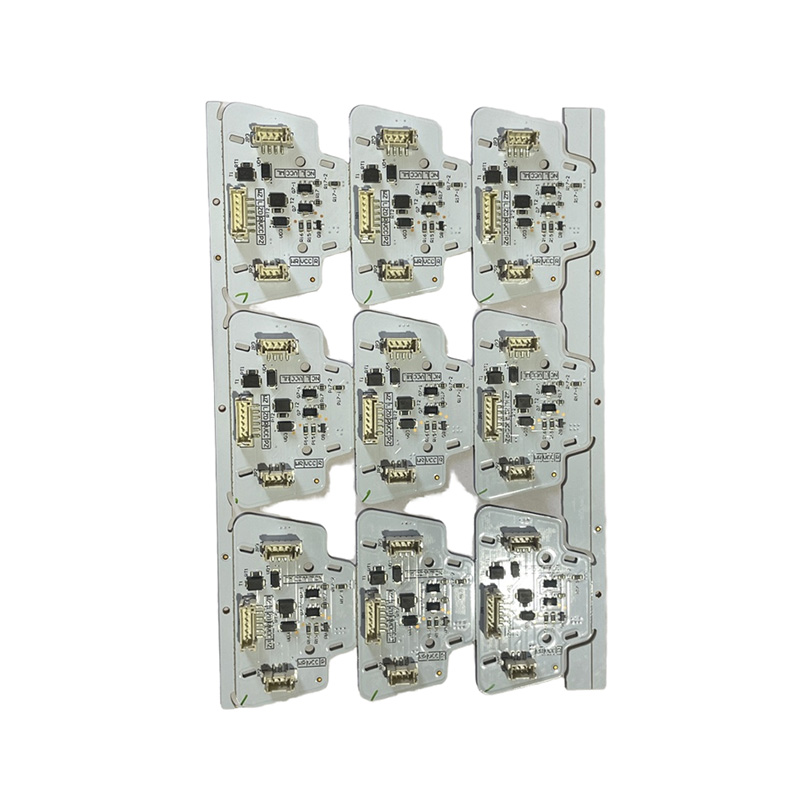
Automotive PCBA (Printed Circuit Board Assembly) plays a crucial role in the functioning of modern vehicle electronics. As vehicles become more advanced, ensuring that all electrical components work seamlessly is a significant challenge. Automotive PCBA ensures compatibility across a variety of systems, from engine control units (ECUs) to lighting systems and infotainment.
The Role of Automotive PCBA in Vehicle Systems
Automotive PCBA is the backbone of vehicle electronics, connecting various systems and ensuring their smooth operation. From controlling engine performance to enabling safety features, automotive PCBAs integrate with systems like:
- Engine Control Systems: Optimizing fuel consumption, power output, and emissions.
- Lighting Systems: Facilitating adaptive headlights, daytime running lights, and more.
- Safety Features: Airbags, ABS, and stability control rely on reliable PCBA integration.
- Infotainment and Connectivity: Allowing communication between in-car systems and external devices.
Key Features of Automotive PCBA for System Compatibility
To ensure that automotive PCBA works efficiently across various vehicle systems, certain design features are incorporated:
- High Durability and Heat Resistance: Automotive PCBA must withstand extreme temperatures, vibrations, and shocks. They are built using materials like FR-4, aluminum, and ceramic with copper thicknesses up to 5oz, ensuring efficient heat dissipation and current-carrying capacity.
- Complex Layer Structures: Some PCBA designs utilize multi-layer structures (up to 32 layers) that allow for intricate routing of signals, ensuring that the board fits seamlessly into vehicle electronics.
- Precise Manufacturing: Fine craftsmanship, such as ultra-fine line widths of 3 mil, ensures that signals are transmitted without distortion, allowing components to function at peak efficiency.
Materials Used in Automotive PCBA for Enhanced Compatibility
The materials used in automotive PCBA directly affect their performance and compatibility:
- FR-4 and High-Tg Boards: Commonly used for their heat resistance and excellent dielectric properties.
- Aluminum and Ceramic: These materials are used for metal-core PCBA, providing enhanced thermal management capabilities for high-power applications like lighting systems.
- Thick Copper and Heavy Copper Boards: Essential for applications requiring high current-carrying capacity, ensuring reliable power delivery across vehicle systems.
Ensuring Compatibility with Different Vehicle Systems
Compatibility between automotive PCBA and vehicle systems is a multi-faceted process:
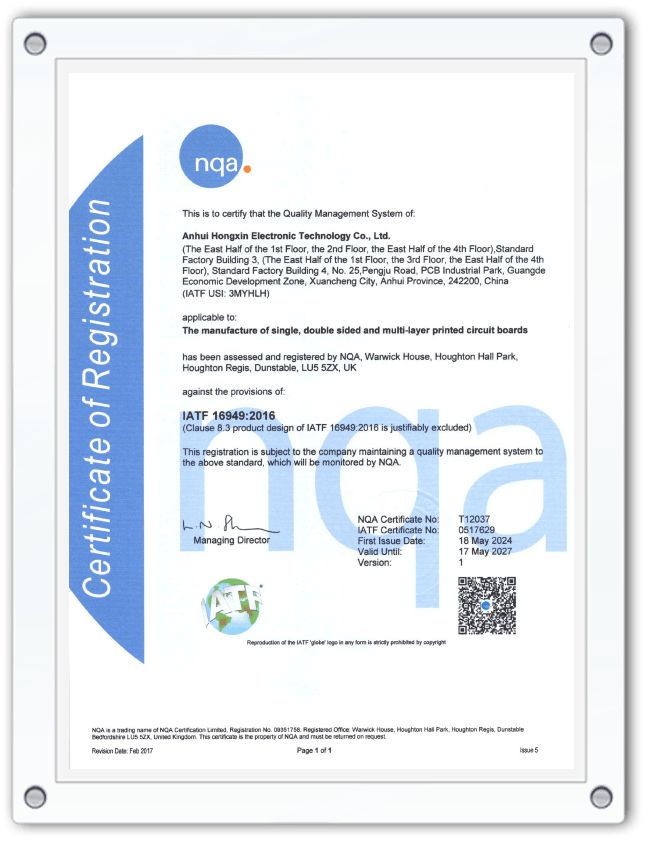
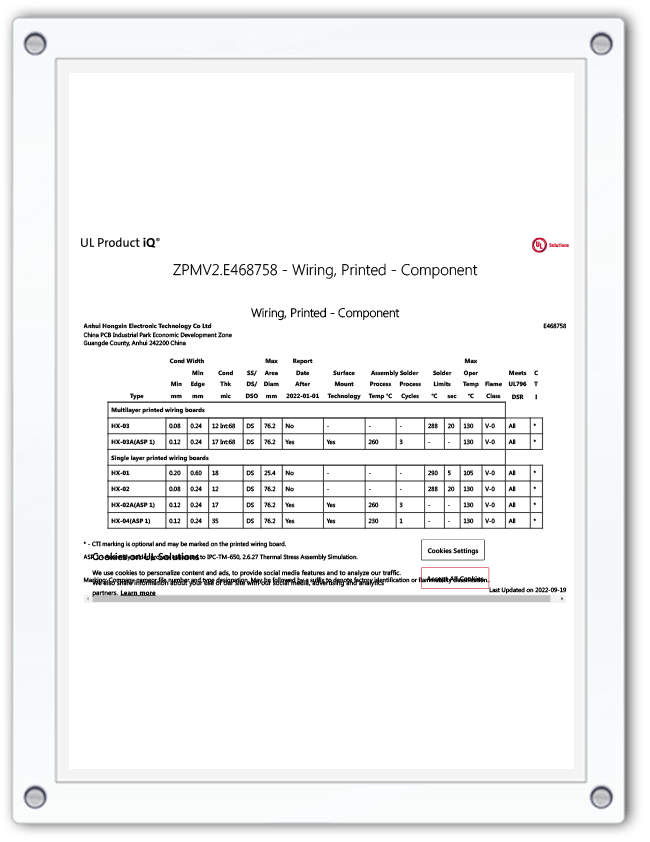
- Standardization: Automotive PCBA must meet global standards and regulations for automotive electronics to ensure they work with systems from various manufacturers.
- Communication Protocols: Automotive PCBA supports communication protocols like CAN bus, FlexRay, and LIN, which enable different vehicle systems to communicate and share data in real time.
- Modular Design: PCBA designs are often modular, allowing manufacturers to customize the integration for various systems without disrupting the vehicle’s overall architecture.
The Role of Anhui Hongxin Electronic Technology Co., Ltd. in Automotive PCBA
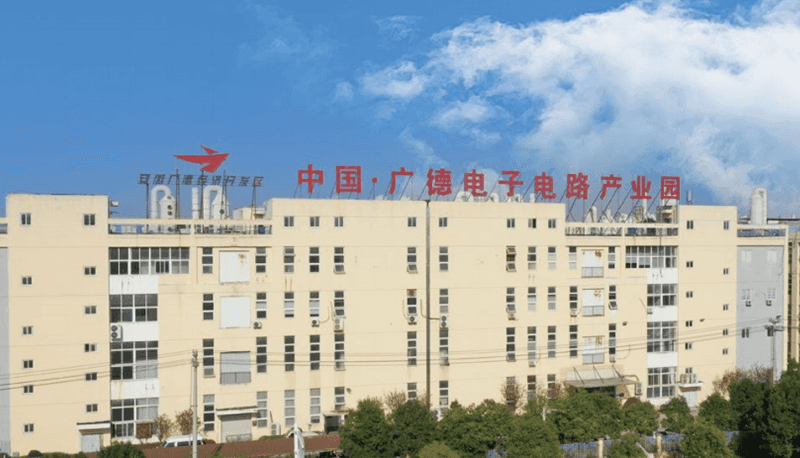
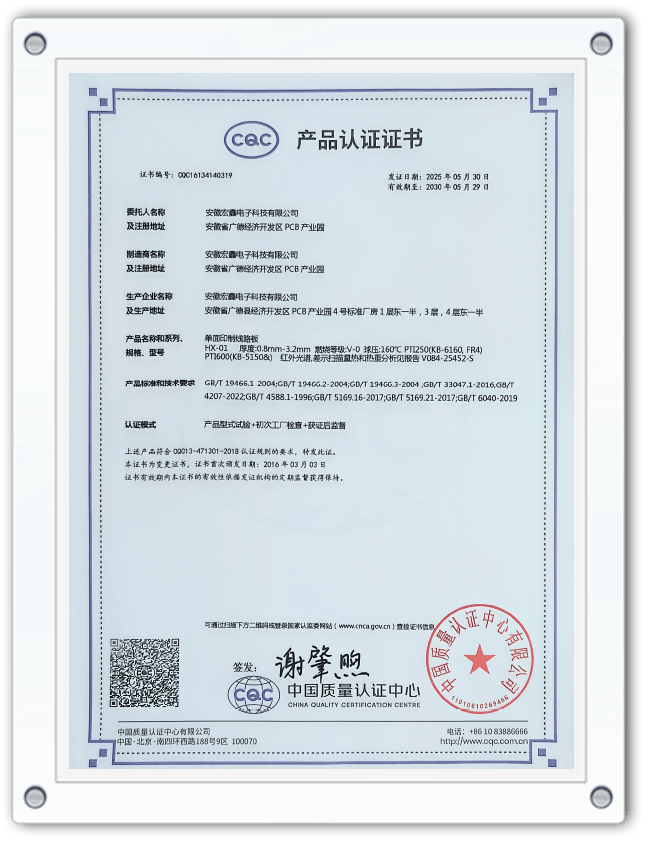
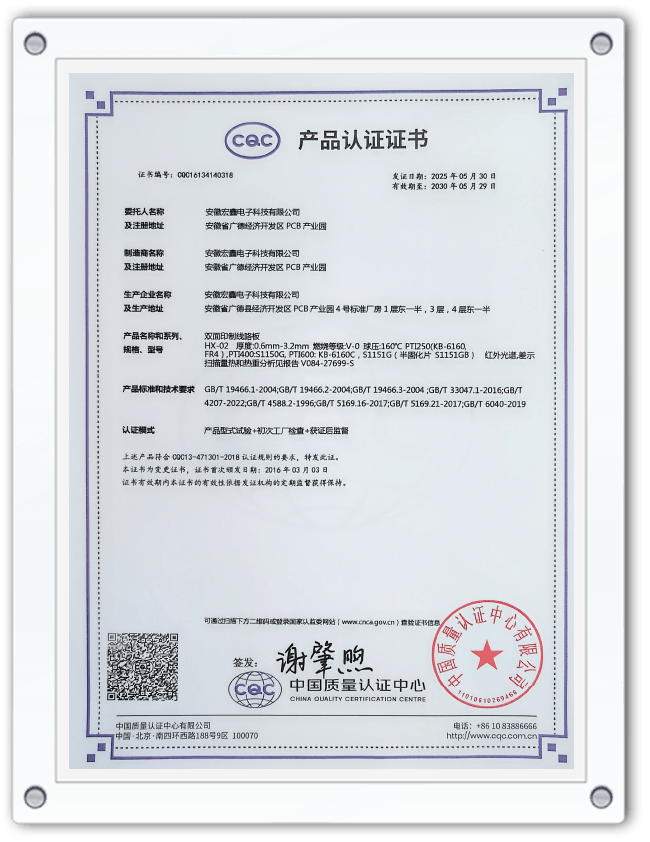
At Anhui Hongxin Electronic Technology Co., Ltd., we specialize in producing high-quality automotive PCBAs that ensure seamless integration with different vehicle systems. Our products include multi-layer boards, rigid-flex boards, and metal-based boards, designed to meet the rigorous demands of the automotive industry. With state-of-the-art equipment and a professional team, we provide reliable solutions that help automotive manufacturers optimize system compatibility, enhance durability, and meet the fast-evolving technology standards in the automotive sector.
Key Challenges in Automotive PCBA Integration
Despite advancements, several challenges remain when integrating automotive PCBA with vehicle systems:
- Environmental Factors: Temperature fluctuations, vibrations, and exposure to chemicals can affect PCBA performance.
- Space Constraints: The limited space inside vehicles requires compact PCBA designs that do not compromise performance.
- Cost Efficiency: Automotive PCBA manufacturers must balance high performance with cost constraints to make these technologies accessible to the mass market.
Conclusion
Automotive PCBA is the cornerstone of modern vehicle electronics, ensuring compatibility between a wide range of systems. Through the use of durable materials, precision manufacturing, and robust design practices, automotive PCBAs allow for seamless integration of complex vehicle functions. Anhui Hongxin Electronic Technology Co., Ltd. plays a key role in providing the high-quality PCB solutions needed to meet the ever-increasing demands of the automotive industry.
FAQ (Frequently Asked Questions)
Q1: What is automotive PCBA used for in modern vehicles?
A1: Automotive PCBA is used to integrate various vehicle systems such as engine control, lighting, safety features, and infotainment systems, ensuring their smooth operation.
Q2: What materials are used in automotive PCBA?
A2: Common materials include FR-4, aluminum, ceramic, and copper, each offering unique properties like heat resistance and high current-carrying capacity.
Q3: How does automotive PCBA contribute to vehicle safety?
A3: Automotive PCBA enables the operation of critical safety systems like airbags, stability control, and ABS by ensuring the reliable transmission of signals.
Q4: What are the challenges in automotive PCBA integration?
A4: The main challenges include environmental factors like temperature and vibrations, space constraints within vehicles, and balancing cost with performance.
Q5: How does Anhui Hongxin support automotive PCBA needs?
A5: We provide high-quality, customizable automotive PCBA solutions, meeting the industry’s demands for durability, reliability, and integration with various vehicle systems.



 English
  Español
  Français