


 English
  Español
  Français
The Engineering Guide to High-Performance Double Sided PCB Technology
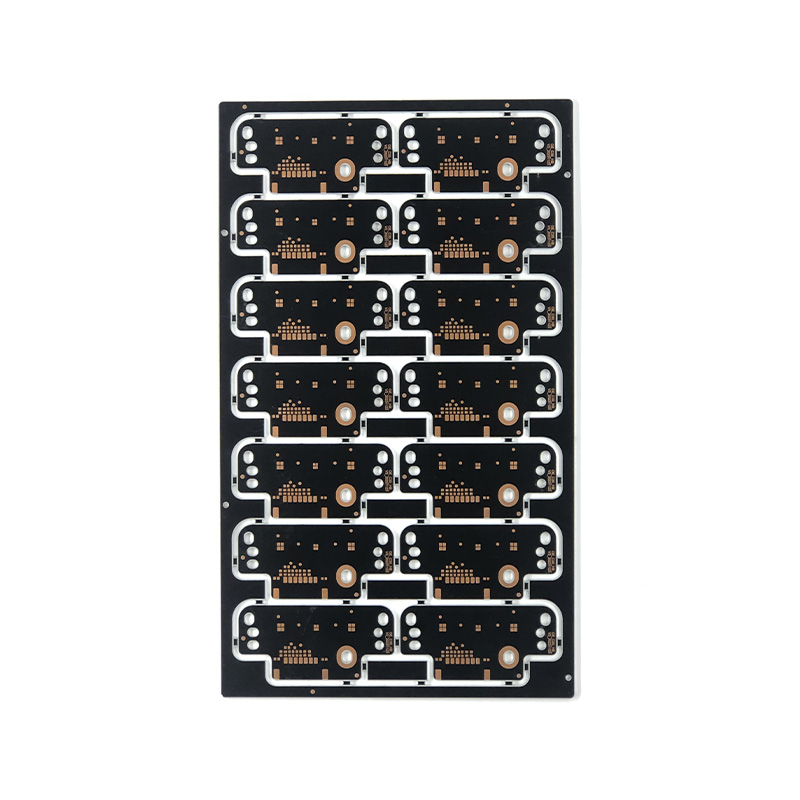
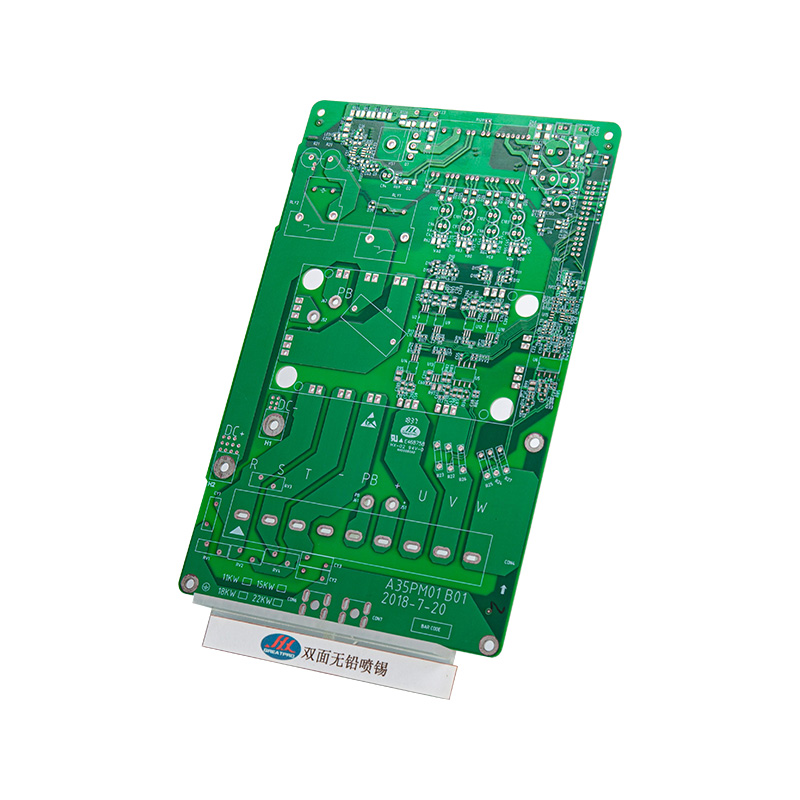
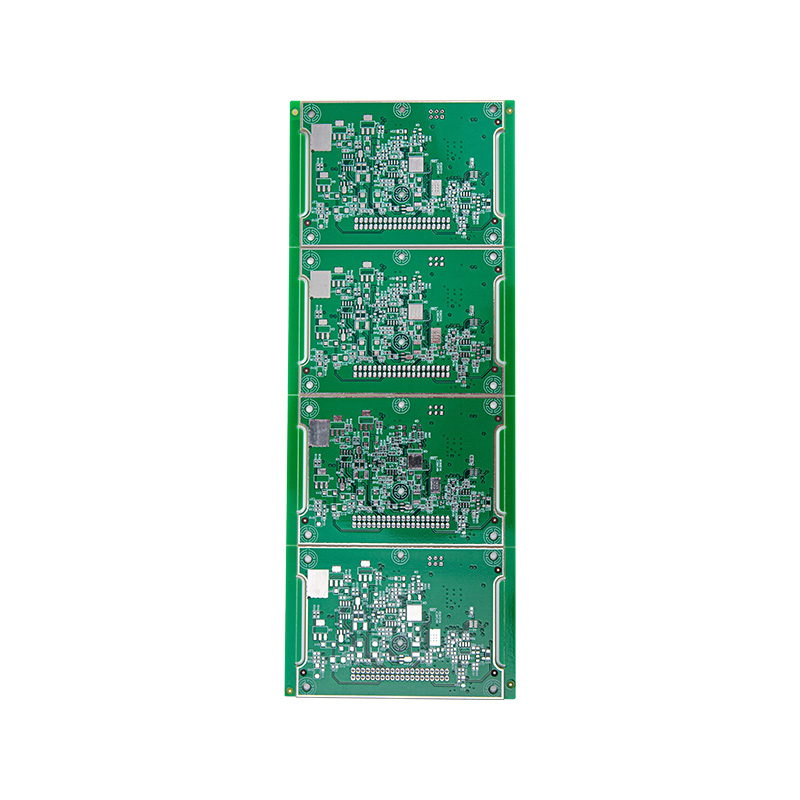
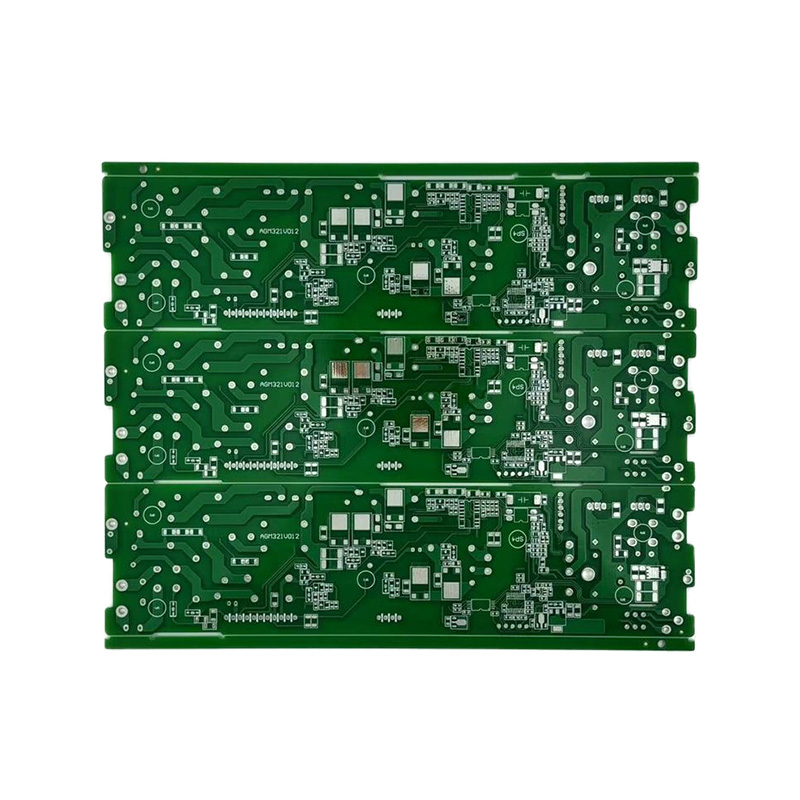
In the hierarchy of printed circuit board architecture, the Double Sided PCB represents a pivotal leap from basic circuitry to complex electronic systems. Unlike single-layer boards, these substrates feature conductive copper on both sides of the insulating layer, connected by specialized conductive paths. As modern electronics demand higher component density and smaller footprints, understanding the manufacturing process of double-sided PCB systems becomes essential for hardware engineers. By leveraging Plated Through-Hole (PTH) technology, designers can route complex signals across layers, significantly increasing the utility of the available surface area.
Content
- 1 1. Structural Integrity and Layering Mechanics
- 2 2. The Role of Plated Through-Hole (PTH) Technology
- 3 3. Thermal Management and Heat Dissipation
- 4 4. Solder Mask and Surface Finish Specifications
- 5 5. Conclusion: Selecting the Right Substrate
- 6 Frequently Asked Questions (FAQ)
- 6.1 1. What is the difference between PTH and NPTH in a Double-Sided PCB?
- 6.2 2. Can I mount SMT components on both sides of the board?
- 6.3 3. How does double-sided PCB via design affect high-frequency signals?
- 6.4 4. What is the standard copper thickness for these boards?
- 6.5 5. Why is FR-4 the most common material for a double-sided PCB?
- 7 Industry References
1. Structural Integrity and Layering Mechanics
The core of a Double Sided PCB consists of a dielectric substrate, typically FR-4, laminated with copper foil on both faces. The primary technical advantage here is the ability to cross traces without creating short circuits, a feat impossible in single-layer designs. When evaluating double-sided vs single sided PCB performance, the double-sided variant offers vastly superior signal routing flexibility and EMI shielding capabilities. While single-sided boards are restricted to simple point-to-point connections, the Double Sided PCB allows for the implementation of ground planes on one side to stabilize high-speed signals on the other.
Comparison: Single-Sided vs. Double-Sided Architectures
The transition from single-layer to double-layer designs introduces significant improvements in circuit density and electromagnetic compatibility.
| Feature | Single-Sided PCB | Double-Sided PCB |
| Component Density | Low (Single surface only) | High (Both surfaces utilized) |
| Routing Complexity | Limited (Traces cannot cross) | Advanced (Via-enabled crossing) |
| Cost-to-Performance | Economical for basic toys/LEDs | Optimal for industrial/consumer electronics |
2. The Role of Plated Through-Hole (PTH) Technology
The defining feature of a professional Double Sided PCB is the use of PTH. During the manufacturing process of double sided PCB, holes are drilled through the substrate and then chemically plated with copper. This creates a reliable electrical bridge between the top and bottom layers. Engineers must pay close attention to the double-sided PCB via design, as the aspect ratio (the ratio of hole depth to diameter) dictates the reliability of the plating. A high-quality PTH ensures low resistance and high mechanical strength, which is critical for components subjected to thermal cycling or vibration.
3. Thermal Management and Heat Dissipation
For high-power applications, thermal management in double sided PCB is a critical engineering hurdle. Because components can be mounted on both sides, the heat density is effectively doubled. To mitigate this, engineers often use "thermal vias" to conduct heat away from surface-mount components to a larger copper plane on the opposite side. When researching how to design a ddouble-sidedPCB, one must calculate the copper weight (e.g., 1oz vs 2oz) required to handle the expected current without exceeding the glass transition temperature (Tg) of the substrate. This vertical heat transfer capability is a major reason why these boards are preferred for power supplies and motor controllers.
Comparison: Thermal Via Efficiency vs. Standard Vias
Standard vias are optimized for signal integrity, whereas thermal vias are engineered specifically for high-efficiency heat transfer across the dielectric core.
| Via Type | Primary Function | Thermal Conductivity |
| Signal Via | Electrical Interconnection | Moderate |
| Thermal Via | Heat Dissipation | High (Often filled or thick-plated) |
| Blind/Buried Via | Space Optimization | Low to Moderate |
4. Solder Mask and Surface Finish Specifications
To protect the copper traces from oxidation and to prevent solder bridging during assembly, a solder mask is applied to both sides of the board. Choosing the right surface finish is also a vital part of the double-sided PCB assembly guide. Common finishes include HASL (Hot Air Solder Leveling), ENIG (Electroless Nickel Immersion Gold), and OSP (Organic协议 Solderability Preservatives). For fine-pitch components, ENIG is typically preferred due to its flat surface and excellent shelf life, although HASL remains a cost-effective choice for through-hole heavy designs.
Advanced Manufacturing Standards:
- IPC-Class 2 vs. Class 3: Ensuring the Double Sided PCB meets rigorous reliability standards for aerospace or medical use.
- Solder Mask Clearance: Precise alignment to avoid exposing traces near SMT pads.
- Silkscreen Resolution: High-definition printing for double-sided PCB component placement identification.
- Electrical Testing: Utilizing "Flying Probe" or "Bed of Nails" tests to verify 100% layer-to-layer continuity.
5. Conclusion: Selecting the Right Substrate
The versatility of the Double-Sided PCB makes it the workhorse of the electronics industry. From double sided PCB for industrial controllers to high-speed communication modules, the ability to balance complexity with cost is unmatched. By mastering PTH technology and thermal management in double sided PCB, engineers can develop robust, efficient, and compact electronic solutions that stand the test of time in demanding environments.
Frequently Asked Questions (FAQ)
1. What is the difference between PTH and NPTH in a Double-Sided PCB?
PTH (Plated Through-Hole) is used for electrical connections between layers or for soldering leaded components. NPTH (Non-Plated Through-Hole) is typically used for mechanical mounting holes where no electrical conductivity is desired.
2. Can I mount SMT components on both sides of the board?
Yes, that is a primary benefit. However, this requires a more complex double-sided PCB assembly guide involving two reflow cycles, often using different temperature solder pastes to prevent components on the bottom from falling off during the second pass.
3. How does double-sided PCB via design affect high-frequency signals?
Vias introduce parasitic capacitance and inductance. For high-speed designs, engineers must model via impedance and minimize the use of stubs to prevent signal reflection and maintain signal integrity.
4. What is the standard copper thickness for these boards?
The most common thickness is 1oz/ft² (35µm). However, for thermal management in double-sided PCB for high-current applications, 2oz or even 3oz copper layers are often specified.
5. Why is FR-4 the most common material for a double-sided PCB?
FR-4 offers an excellent balance of mechanical strength, electrical insulation, and cost. Its glass transition temperature is suitable for most standard soldering processes and environmental conditions.
Industry References
- IPC-2221: Generic Standard on Printed Board Design.
- IPC-A-600: Acceptability of Printed Boards.
- UL 796: Standard for Printed-Wiring Boards for safety certifications.
- J-STD-001: Requirements for Soldered Electrical and Electronic Assemblies.

 LET'S CREATE THE FUTURE TOGETHER

Contact Us Anytime
Copyright © Anhui Hongxin Electronic Technology Co., Ltd. All Rights
Reserved.
privacy
Wholesale Printed Circuit Board Suppliers, Manufacturers

