How Does Consumer PCBA Impact Modern Electronics?
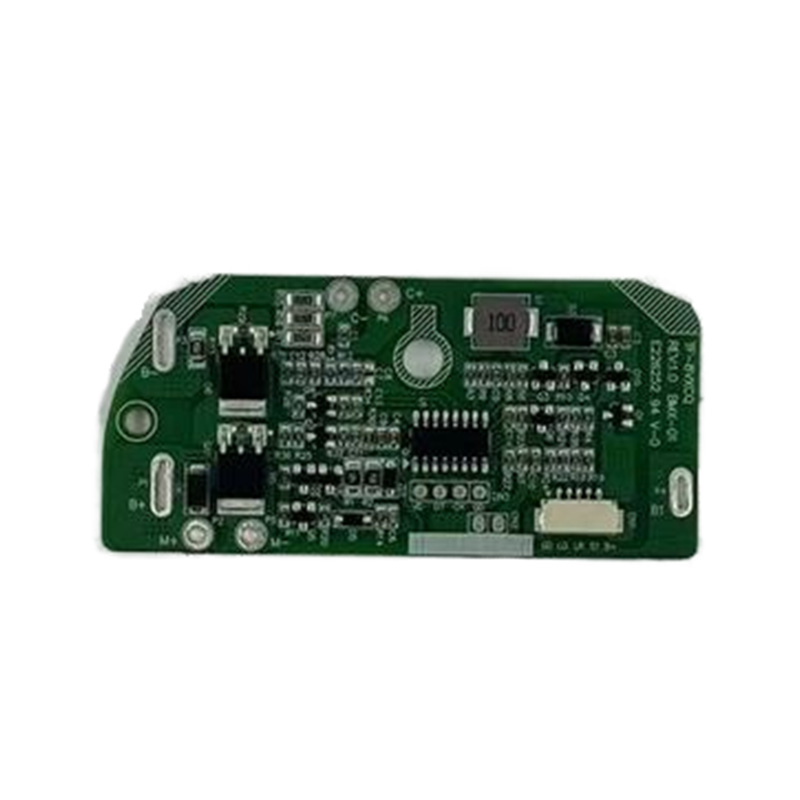
Consumer PCBA (Printed Circuit Board Assembly) plays a crucial role in the functionality and performance of a wide range of modern electronic devices, from smartphones and smart wearables to home automation and personal entertainment devices. The quality and precision of PCBAs directly influence the overall performance, durability, and cost-effectiveness of these products.
The Role of Consumer PCBA in Modern Electronics
Consumer PCBAs are the backbone of electronic devices, ensuring that electrical components are efficiently connected and communicate with one another. In the rapidly evolving consumer electronics market, the need for reliable, high-performance PCBAs has never been greater. Consumer PCBA refers specifically to printed circuit boards used in products such as:
- Smartphones: Enabling the intricate functions of modern mobile phones.
- Smart Wearables: Powering devices like smartwatches and fitness trackers.
- Smart Homes: Supporting the connectivity and automation of home appliances.
- Personal Entertainment Devices: Enabling devices such as portable speakers and gaming consoles to function seamlessly.
In each of these applications, PCBAs must meet stringent performance standards, which means high precision, durability, and efficient functionality.
Key Features and Technologies in Consumer PCBA
The development of consumer PCBAs requires careful attention to material selection, design precision, and manufacturing capabilities. Various technologies and processes are employed to achieve the required standards for high-performance products.
Multi-layer Design
Consumer PCBAs often require multi-layer designs to support complex circuitry and compact device form factors. High-density interconnect (HDI) boards, which offer higher component density and smaller board size, are particularly popular in products like smartphones and wearables. These designs allow for smaller, more efficient devices without sacrificing performance.
Surface Treatment Processes
The quality of the surface treatment process is vital for the performance and longevity of the PCBAs. Surface treatments like gold plating, silver plating, and OSP (Organic Solderability Preservative) ensure proper soldering and minimize oxidation, enhancing the durability and reliability of the assembled boards.
Material Selection
The materials used in consumer PCBA must meet high standards to ensure the boards can handle the demanding environments of modern electronics. Popular materials include FR-4, high-frequency substrates, and metal substrates. The use of high-Tg (glass transition temperature) materials ensures that the PCBA can perform at elevated temperatures, while halogen-free materials are essential for environmentally friendly products.
Advancements in Consumer PCBA Production
The consumer electronics sector demands increasingly advanced PCBA solutions, and manufacturers are constantly innovating to meet these needs. Advances in automation and precision engineering have led to enhanced quality control and faster production cycles. This is especially crucial in consumer electronics, where time-to-market is a key factor for success.
High-Speed Manufacturing
Anhui Hongxin Electronic Technology Co., Ltd. is utilizing state-of-the-art equipment to ensure high-speed and high-precision manufacturing. This includes the use of LDI exposure machines, peel strength testers, and line width detectors to ensure every aspect of the PCBA meets the required standards. AOI optical inspection machines are employed to catch defects early in the manufacturing process, ensuring a high level of consistency in mass production.
Cost Efficiency
With direct factory sales and efficient production lines, companies can reduce costs and improve affordability for consumers. By eliminating middlemen and streamlining the supply chain, manufacturers can offer products at competitive prices, while maintaining the highest quality standards.
Rapid Prototyping and Bulk Orders
Speed is a significant advantage in the consumer electronics industry. Anhui Hongxin’s rapid prototyping services allow for quick-turnaround solutions, with single- and double-sided boards ready in 6-7 days, while more complex multi-layer boards can be delivered in as little as 25 days. This agility is essential in fast-moving industries like consumer electronics, where companies need to quickly iterate on designs.
Consumer PCBA Applications in Different Devices
Consumer PCBAs are used in a wide range of devices. Below is a breakdown of how these assemblies are applied in specific devices.
| Device Type |
Key Features |
PCBA Role |
| Smartphones |
Touchscreen, high-resolution display, 5G |
Ensures connectivity, power management, and functionality of sensors and cameras. |
| Smart Wearables |
Fitness tracking, real-time notifications |
Powering sensors, processors, and communication modules within compact designs. |
| Smart Homes |
Home automation, voice control |
Enabling communication between home devices and integration with mobile apps. |
| Personal Entertainment Devices |
High-quality audio, portability |
Powers Bluetooth, audio processing, and device controls. |
The compact, high-performance nature of these devices is made possible by the sophisticated consumer PCBAs that power them. Without the advancements in PCBA technology, the devices we rely on daily would not be possible.
Anhui Hongxin’s Expertise in Consumer PCBA
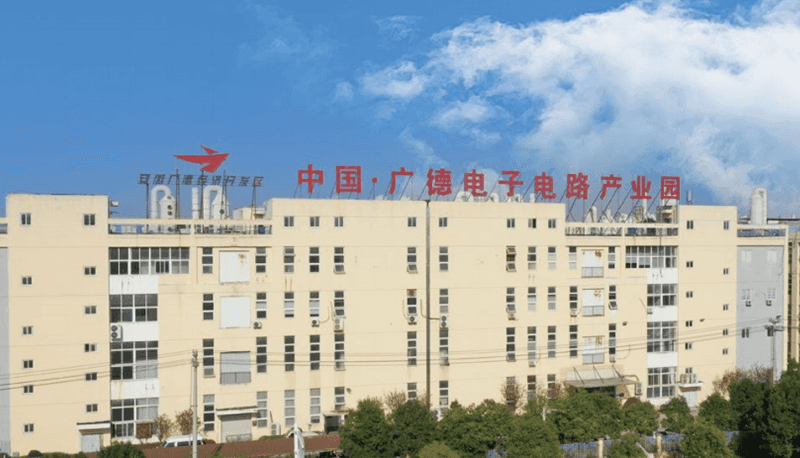
Anhui Hongxin Electronic Technology Co., Ltd. stands out as a leader in the production of high-quality consumer PCBAs. Their expertise in producing multi-layer boards, HDI, and metal-based boards has allowed them to become a key player in the consumer electronics sector. With an emphasis on quality assurance and rapid prototyping, they are well-positioned to meet the evolving needs of companies developing the next generation of consumer electronics.
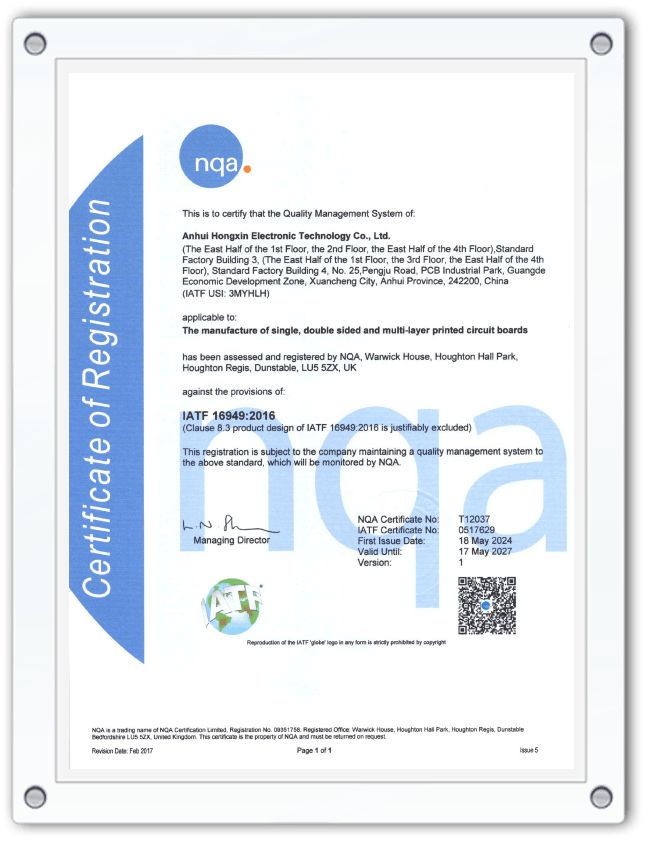
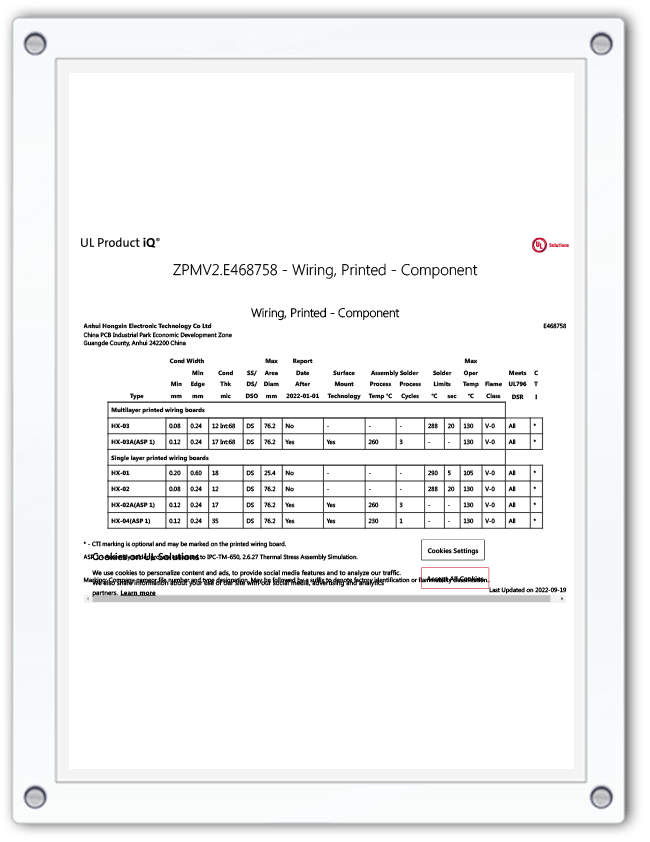
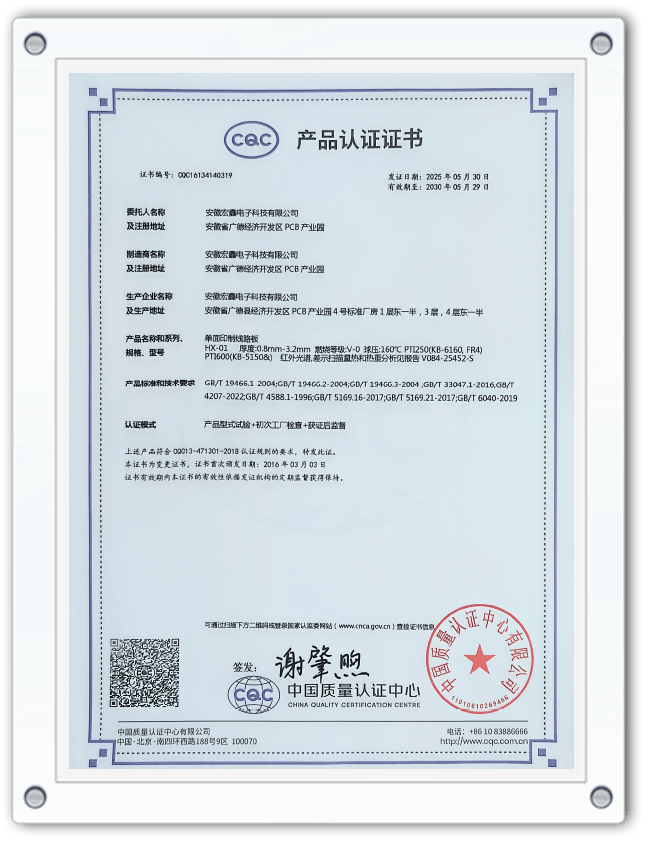
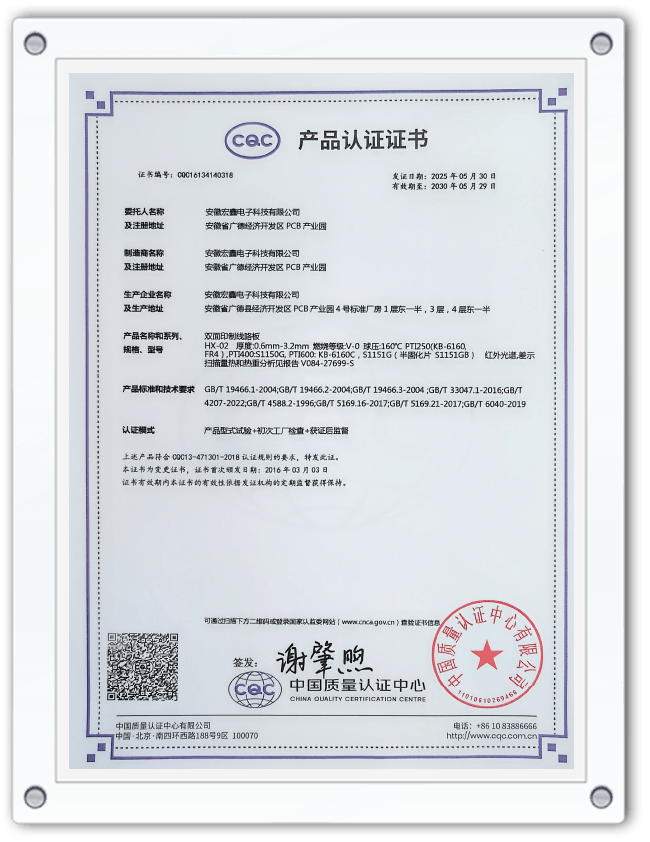
Their products are certified by global standards such as ISO9001, ISO14001, and IATF16949, ensuring that every PCBA meets the stringent requirements of the consumer electronics market. With a strong focus on customer customization and competitive pricing, Anhui Hongxin has established itself as a trusted partner in the consumer PCBA supply chain.
Conclusion
As technology continues to evolve, the demand for more sophisticated, efficient, and compact consumer electronics will only grow. Consumer PCBAs are central to enabling these advancements, and the industry will continue to rely on innovations in manufacturing processes, materials, and design to stay ahead of consumer expectations.



 English
  Español
  Français