What are the typical failure modes of home appliance PCBA?
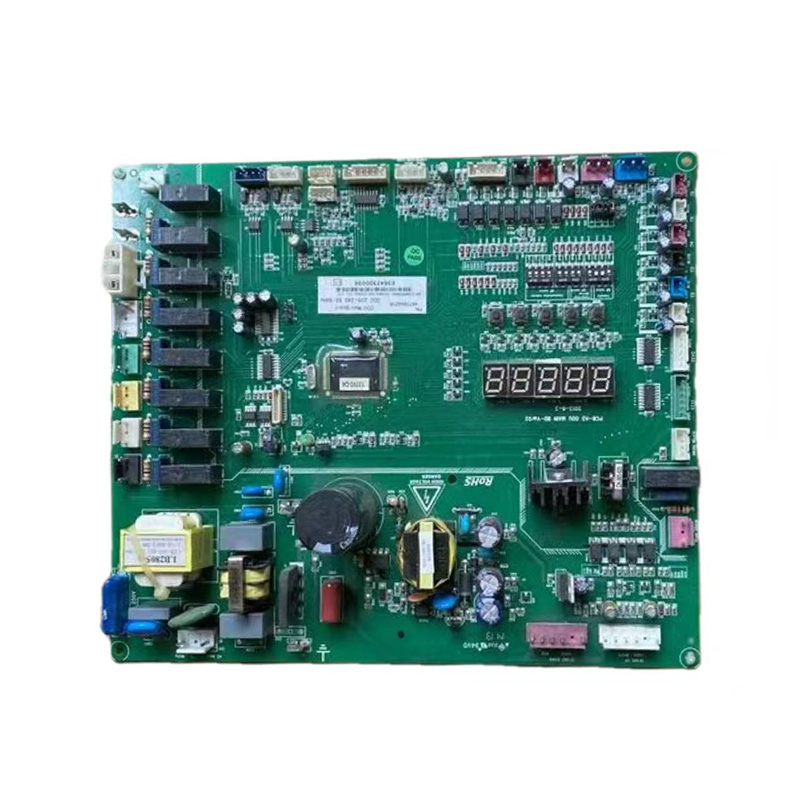
Home Appliance PCBAs (Printed Circuit Board Assemblies) play a pivotal role in the functionality, energy efficiency, and operational stability of household devices. As the core control module, Home Appliance PCBA integrates various critical functions, such as temperature control, motor drives, and communication interfaces. These components are vital for the performance of products like refrigerators, air conditioners, and washing machines. However, like all electronic components, PCBAs can experience failures that impact their efficiency and reliability.
1. Electrical Failures
Electrical failures are among the most common issues that affect home appliance PCBA. These failures typically arise from overvoltage, undervoltage, short circuits, or poor power supply regulation. In home appliances, a faulty home appliance PCBA can cause the entire system to malfunction, leading to device failure.
- Overvoltage: Home appliances often rely on AC power, which can fluctuate. When these voltage spikes exceed the limits of the PCBA, components like capacitors or resistors may fail.
- Short Circuits: A short circuit can occur due to damaged wiring or a malfunctioning component, leading to overheating and potential fires.
To mitigate electrical failures, it is important to use high-quality voltage regulation and protection circuits.
2. Thermal Failures
Thermal stress can damage components on the home appliance PCBA, especially in appliances with high heat generation, such as air conditioners and microwave ovens. The primary causes of thermal failures include:
- Excessive Heat: Prolonged exposure to high temperatures can cause components to overheat and fail. This is particularly common in motor drives and power transistors.
- Inadequate Heat Dissipation: If the PCBA lacks sufficient cooling measures, such as heat sinks or thermal vias, it can result in localized overheating.
Proper heat management systems, such as enhanced thermal dissipation techniques, should be implemented to ensure longevity and reliability.
3. Component Failures
Home appliance PCBAs rely on numerous components, each with its own failure mode:
- Capacitors: Electrolytic capacitors, often used in power regulation circuits, can dry out over time, causing them to lose capacitance and eventually fail.
- Resistors and Diodes: These components may degrade over time due to high current or voltage, leading to a loss of functionality.
The use of high-quality, long-lasting components is essential for preventing premature failure of the home appliance PCBA.
4. Mechanical Failures
Mechanical failure of home appliance PCBA can occur when the board is subjected to physical stress. This includes vibration, shock, or improper handling during installation. These mechanical stresses can cause:
- Cracks in the PCB: Excessive force during assembly or from prolonged mechanical stress can lead to cracks in the PCB, resulting in an open circuit.
- Solder Joint Cracks: Frequent thermal cycling or poor soldering techniques can lead to the formation of cracks in solder joints, leading to intermittent failures.
To reduce the risk of mechanical failure, manufacturers should employ proper handling procedures and use robust mechanical designs that can withstand stresses.
5. Corrosion and Environmental Failures
Corrosion is another common failure mode for home appliance PCBA. PCBAs exposed to moisture, salts, or harsh chemicals can develop corrosion on metal contacts, which disrupts electrical connectivity. In humid environments, corrosion can form on critical components, leading to failure over time.
- Moisture Exposure: Air conditioners, washing machines, and other appliances often operate in moist environments, increasing the likelihood of corrosion.
- Salt and Chemical Exposure: Certain environments, like coastal regions, increase the risk of corrosion due to higher salt content in the air.
To address this, protective coatings and conformal coatings can be applied to protect the home appliance PCBA from moisture and corrosive elements.
6. Software and Firmware Failures
As home appliances become increasingly intelligent, software and firmware failures are emerging as a major cause of home appliance PCBA malfunctions. Bugs, improper coding, or outdated firmware can cause the appliance to behave erratically or fail to function entirely.
- Firmware Corruption: Firmware is responsible for controlling the appliance’s core functions. If the firmware becomes corrupted or outdated, the appliance may cease to operate correctly.
- Software Bugs: Intelligent functions such as IoT connectivity and human-computer interaction rely on software. Bugs in the software layer can lead to poor performance.
Regular firmware updates and thorough testing of software systems are essential to prevent these types of failures.
Preventative Measures for Enhancing Reliability
To prevent common failure modes, home appliance PCBA designs should integrate several key features:
- Enhanced Quality Control: Rigorous testing, including thermal, electrical, and mechanical stress testing, should be conducted during manufacturing.
- Protective Coatings: Using conformal coatings can prevent environmental damage, such as moisture or dust accumulation.
- Component Selection: Choosing high-quality components and using advanced packaging techniques can enhance the reliability and longevity of PCBAs.
Conclusion
In summary, the typical failure modes of home appliance PCBA range from electrical and thermal failures to mechanical and environmental stress. To minimize these risks, it is critical for manufacturers to design home appliance PCBA with high-quality components, reliable protective coatings, and advanced thermal management systems.
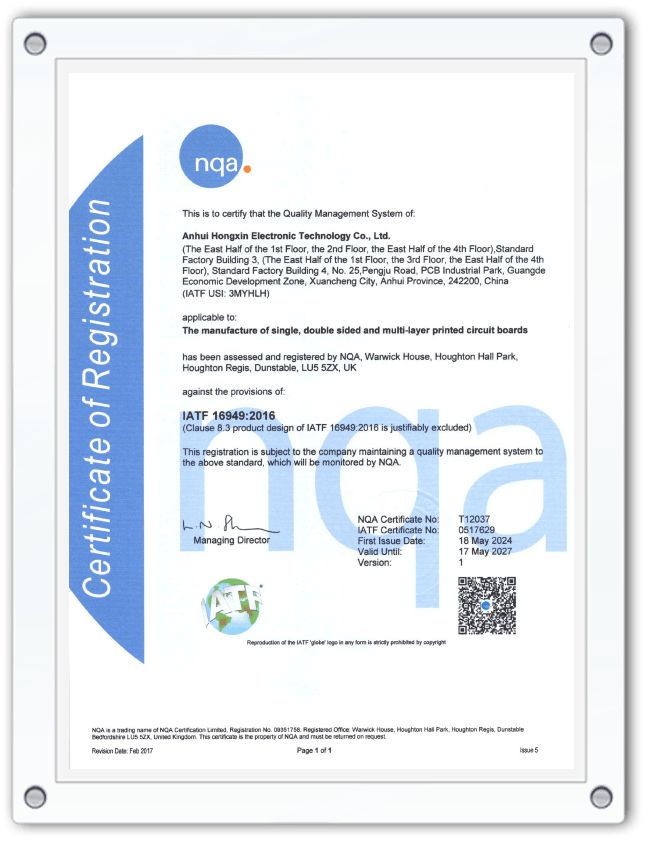
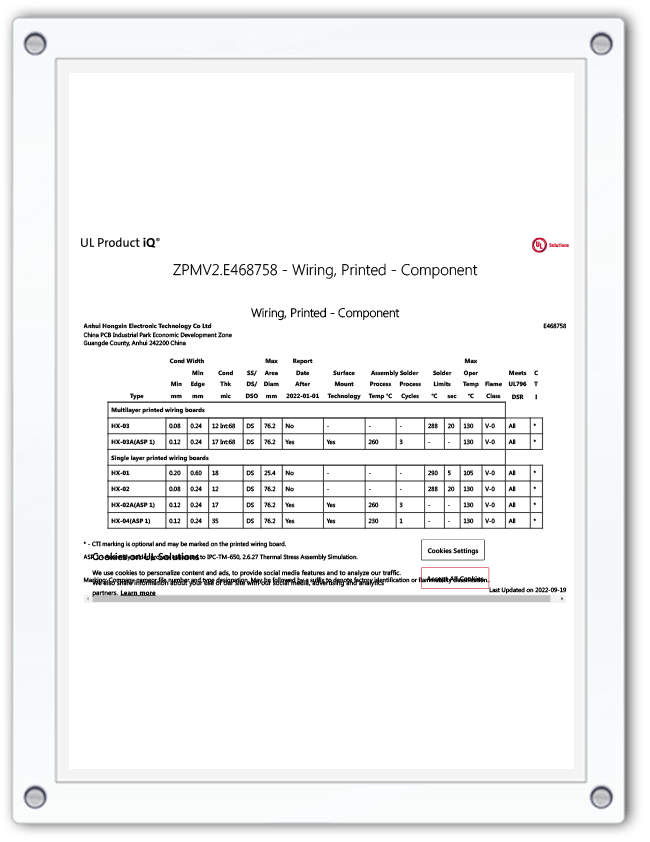
Anhui Hongxin Electronic Technology Co., Ltd., a leading provider of high-quality PCB products, offers a range of solutions that meet the stringent requirements of the home appliance industry. With a focus on precision, reliability, and innovation, the company ensures that its products contribute to the long-term success of home appliances.
Frequently Asked Questions (FAQ)
-
What is a PCBA in home appliances?
- A PCBA (Printed Circuit Board Assembly) is the core control module in home appliances that regulates various functions, from temperature control to motor drive.
-
What are the common failure modes in PCBA?
- Common failure modes include electrical failures, thermal stress, component degradation, mechanical damage, and environmental factors like moisture and corrosion.
-
How can PCBAs be protected from environmental damage?
- Conformal coatings and protective layers can be applied to protect the PCBA from moisture, dust, and corrosive elements.
-
What role does firmware play in the functionality of PCBA?
- Firmware controls the operations of the appliance. Corrupt or outdated firmware can cause the appliance to malfunction.



 English
  Español
  Français