What makes Ceramic PCBs stand out in the high-end electronics field?
In today's rapidly developing fields of power electronics, automotive electronics, 5G communication, and new energy, traditional FR-4 PCBs are increasingly showing limitations in high-power, high-frequency, and high-reliability applications. Therefore, a product that combines the advantages of materials science and electronic manufacturing – Ceramic PCB – is becoming increasingly prominent in the eyes of engineers and purchasing decision-makers.
What is a ceramic PCB? Why is it different from traditional circuit boards?
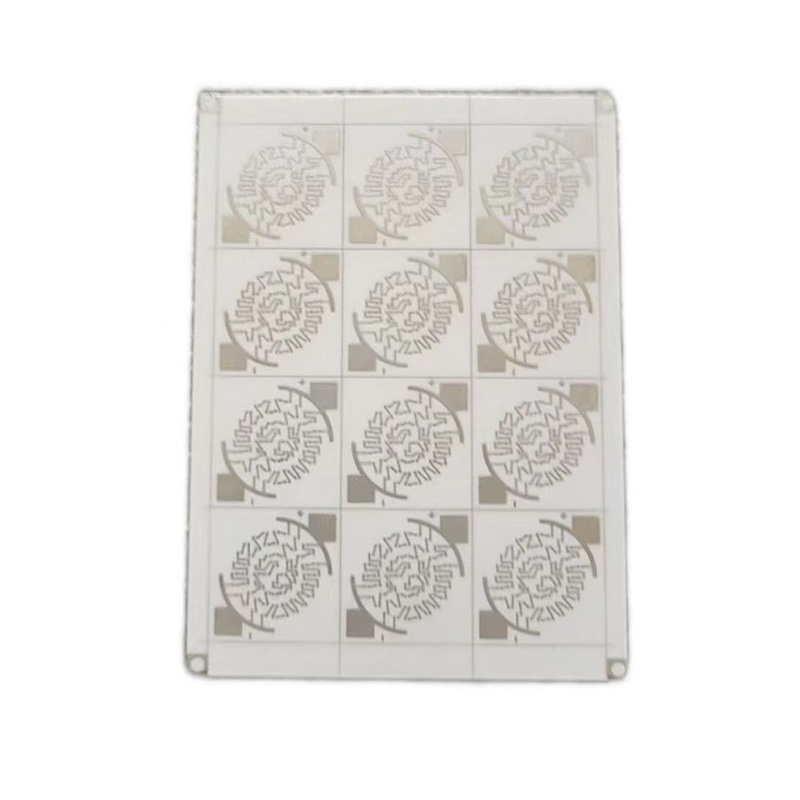
A ceramic PCB is a circuit board that uses ceramic materials such as aluminum oxide (Al₂O₃) and aluminum nitride (AlN) as the substrate. Unlike conventional resin-based copper-clad laminates, the ceramic substrate itself possesses high thermal conductivity, high insulation, and excellent mechanical stability, allowing it to operate stably even under extreme conditions.
From a materials perspective, the ceramic PCB is no longer just a carrier for circuits, but simultaneously acts as both a heat dissipation structure and an electrical insulation layer. This is the core reason why it is widely used in high-power LEDs, power modules, and IGBT modules.
What are the core advantages of ceramic PCBs?
Thermal management capabilities
Taking aluminum nitride ceramic as an example, its thermal conductivity can reach 170–200 W/m·K, far higher than ordinary FR-4 materials. This means that heat can be quickly conducted away from the device, significantly reducing junction temperature and increasing system lifespan.
High reliability
The thermal expansion coefficient of ceramic materials is close to that of silicon chips, effectively reducing solder joint fatigue during thermal cycling, making it particularly suitable for automotive and industrial-grade electronic products.
Ceramic PCBs also possess excellent high-frequency performance and corrosion resistance, maintaining stable electrical characteristics even in high-frequency, high-voltage, and high-humidity environments. This is a key indicator valued in many high-end communication and military applications.
In which fields are ceramic PCBs mainly used?
Currently, ceramic PCBs are widely used in the following applications:
- Power semiconductor modules: provide a stable heat dissipation foundation for IGBTs and MOSFETs;
- Automotive electronics: used in electronic control units, lighting modules, and power systems of new energy vehicles;
- LED lighting and display: achieve a balance between high brightness and long lifespan;
- High-frequency communication and aerospace: meet stringent requirements for signal integrity and environmental adaptability.
It can be said that the higher the requirements for performance and reliability, the more evident the value of ceramic PCBs becomes.
What higher demands does ceramic PCB manufacturing place on PCB manufacturers?
Compared to conventional PCBs, ceramic PCBs have higher requirements for equipment precision, process control, and engineering experience during the manufacturing process. From metallization methods (such as DBC and DPC) to line fineness control and reliability testing, every link tests the comprehensive strength of the manufacturer.
This is precisely why choosing a supplier with multi-type PCB manufacturing capabilities, a mature quality system, and fast delivery capabilities is particularly important.
How does Anhui Hongxin Electronic Technology Co., Ltd. help customers achieve high-reliability ceramic and high-end PCB solutions?
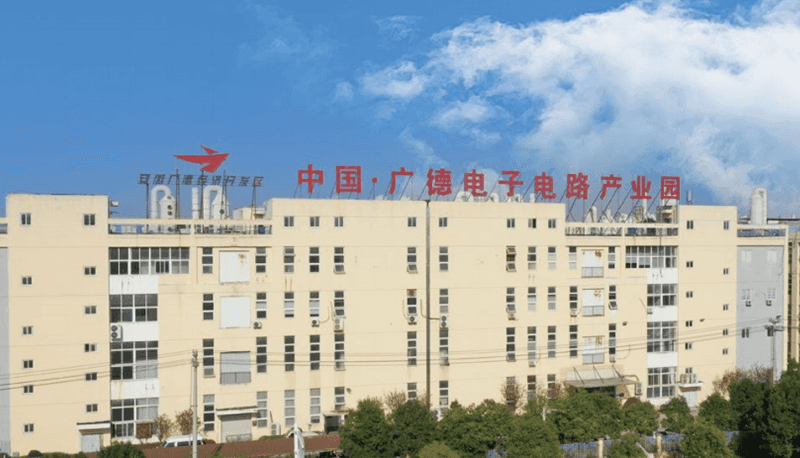
As a professional manufacturer rooted in China's PCB industrial park, Anhui Hongxin Electronic Technology Co., Ltd. has always focused on the research and development and manufacturing of mid-to-high-end PCB products since its establishment.
Although ceramic PCBs belong to a high-end niche market, Anhui Hongxin Electronic Technology Co., Ltd.'s long-term experience in thick copper boards, metal substrates, high-frequency boards, mixed-pressure boards, and HDI boards provides a solid technical foundation for related applications. Especially in high heat dissipation, high-reliability design understanding, material selection, and process control, we can effectively collaborate with customers in the early design stage.
Relying on a complete production line and a mature management system, Anhui Hongxin Electronic Technology Co., Ltd. can not only undertake small-batch, high-precision rapid prototyping but also has the ability to stably deliver large-volume orders. Double-sided boards can be delivered in as fast as 24 hours, and the delivery time for multi-layer boards is clear and controllable, which is particularly crucial for customers with tight R&D schedules and clear project cycles.
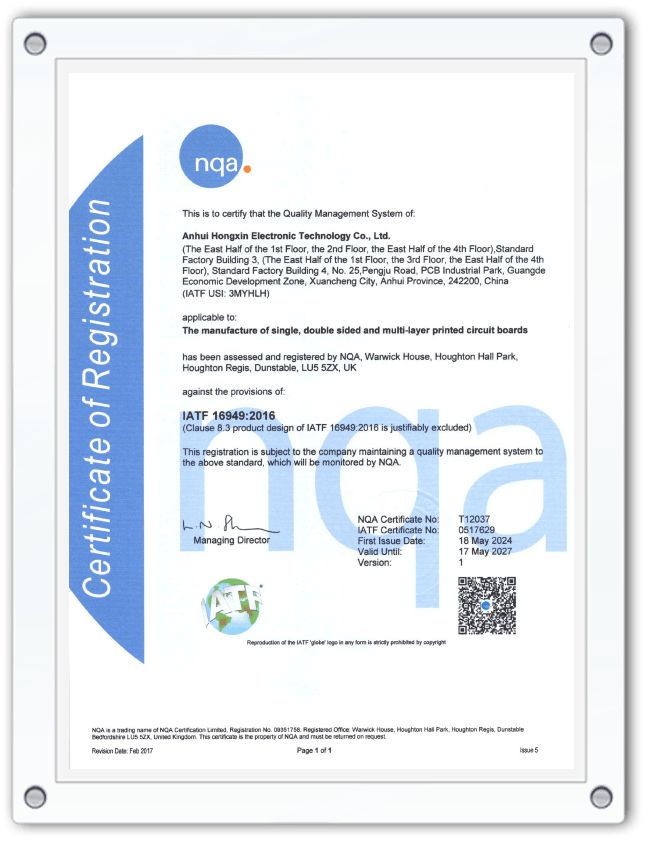
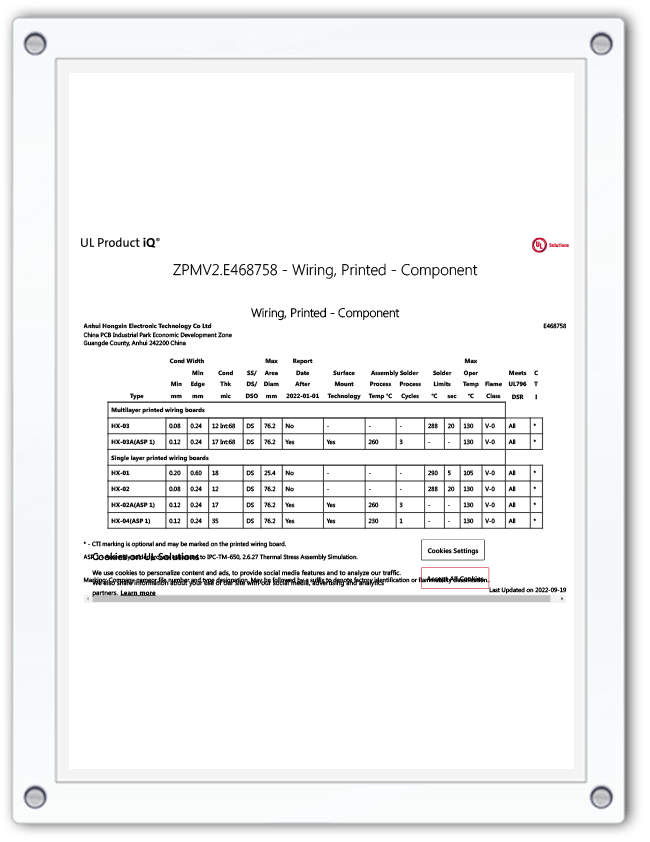
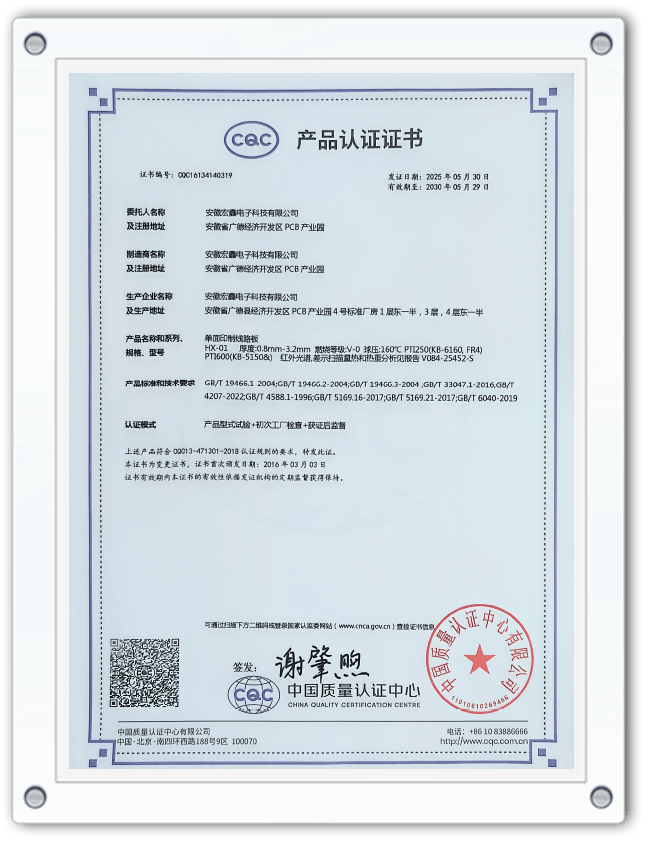
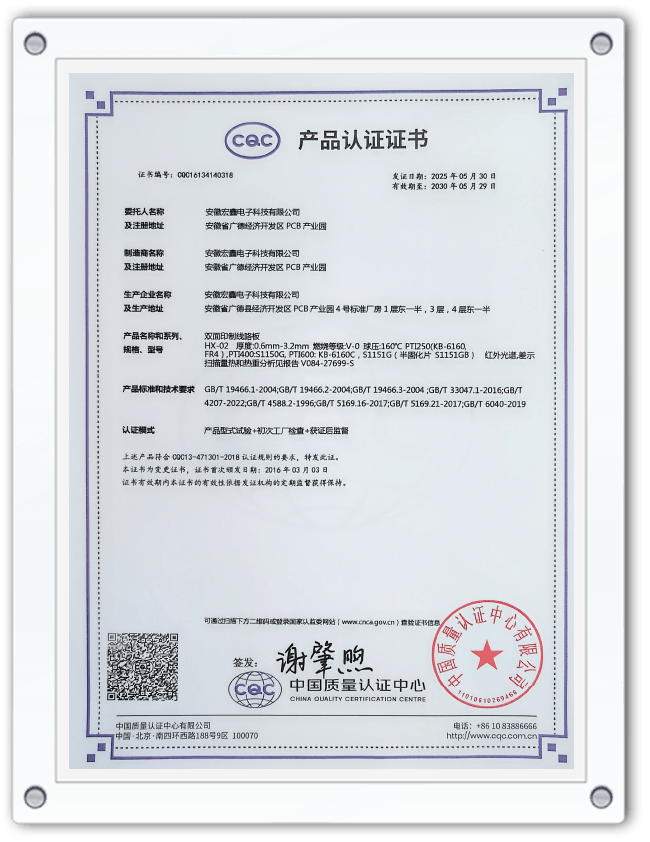
The company has passed multiple international certifications, including ISO9001, ISO14001, ISO45001, IATF16949, and UL, and its products are exported to Southeast Asia, Europe, and the Americas, continuously gaining customer recognition in the fierce international competition.
Will ceramic PCBs become the mainstream of future PCB development?
From a cost perspective, ceramic PCBs are unlikely to completely replace traditional FR-4 boards in the short term. However, it is certain that with the continuous development of new energy, smart cars, power devices, and high-frequency communication, ceramic PCBs will play an increasingly important role in high-end applications.
For businesses, understanding the technical logic of ceramic PCBs in advance and establishing partnerships with PCB manufacturers possessing comprehensive manufacturing capabilities will be a crucial step in preparing for future technological upgrades.
FAQ
Q1: Are ceramic PCBs always better than FR-4?
Not necessarily. Ceramic PCBs are suitable for high-power, high-reliability applications, while FR-4 still has advantages in terms of cost and versatility. The key lies in the application requirements.
Q2: Is the processing cycle for ceramic PCBs very long?
Compared to ordinary PCBs, the cycle is relatively longer, but manufacturers with multi-process experience and efficient production scheduling capabilities can effectively control delivery times.
Q3: If the project is not yet fully finalized, can we start with prototyping?
Yes. Manufacturers like Anhui Hongxin Electronic Technology Co., Ltd., which support small-batch production and rapid prototyping, are ideal for validating solutions during the R&D phase.
Q4: Will the cost of ceramic PCBs decrease in the future?
With the localization of materials and the maturation of processes, costs are expected to gradually optimize, but they will still primarily serve the high-end application market.
If you are looking for a reliable high-end PCB partner, understanding ceramic PCBs may be the key to unlocking the competitiveness of your next-generation products.



 English
  Español
  Français