What Are the Key Advantages of Halogen-Free PCBs in High-Performance Applications?
In the rapidly evolving electronics industry, environmental concerns have led to a growing demand for safer, more sustainable materials. One such material gaining significant attention is halogen-free PCB (Printed Circuit Board). As environmental regulations and standards become stricter, the transition to halogen-free materials has become essential in ensuring compliance and reducing environmental impact.
Understanding Halogen-Free PCBs
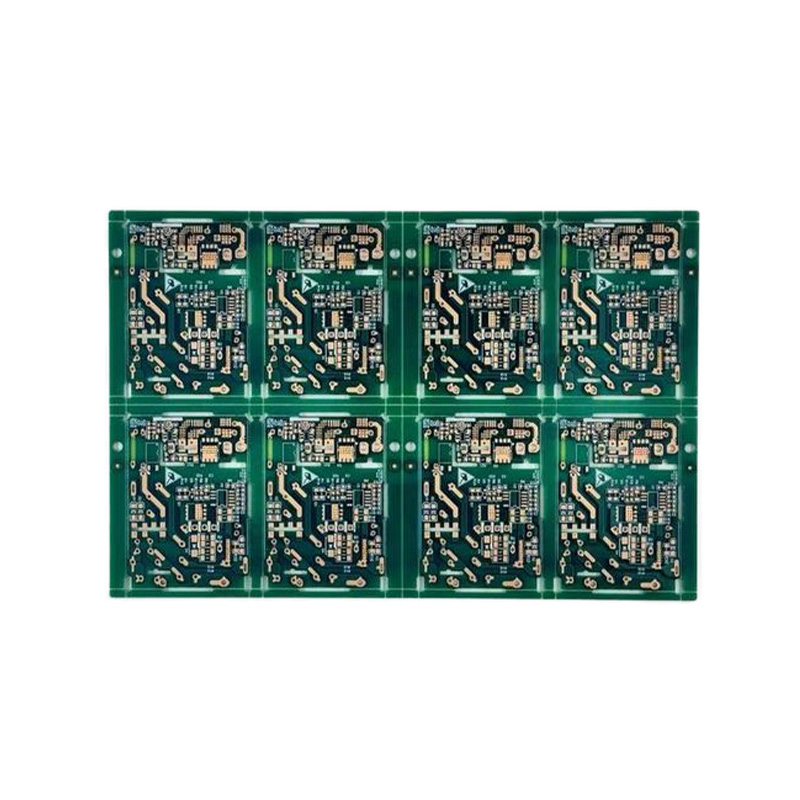
A halogen-free PCB refers to a type of printed circuit board that does not contain halogens, specifically chlorine (Cl), bromine (Br), iodine (I), or fluorine (F). Halogens, which are often found in traditional flame retardants used in PCB materials, pose environmental hazards when exposed to heat or fire, releasing toxic gases. These gases can contribute to air pollution, ozone depletion, and other ecological concerns. By eliminating halogens from the materials, halogen-free PCBs offer a safer, more eco-friendly alternative.
Halogen-free PCBs are typically manufactured using specialized resins, such as epoxy and polyimide, which are free of halogenated compounds. These materials meet international environmental standards, such as RoHS (Restriction of Hazardous Substances), and comply with growing regulations concerning hazardous substances in electronics.
The Advantages of Halogen-Free PCBs
The shift towards halogen-free PCBs is driven by several key advantages:
-
Environmental Impact: One of the primary reasons for adopting halogen-free PCBs is to minimize the environmental impact of electronic waste. Halogenated flame retardants can release harmful chemicals when burned or disposed of improperly. Halogen-free alternatives ensure that products can be recycled without contributing to environmental contamination.
-
Health and Safety: By eliminating halogens from PCB materials, halogen-free boards contribute to safer working conditions during manufacturing and assembly. Additionally, they reduce the risk of toxic emissions during fires or high-heat scenarios.
-
Compliance with Regulations: With regulations like RoHS and WEEE (Waste Electrical and Electronic Equipment) becoming more stringent, manufacturers are increasingly required to adopt halogen-free materials to meet compliance standards. Halogen-free PCBs are essential for products entering markets with strict environmental laws.
-
Improved Reliability: Halogen-free PCBs often exhibit improved performance, particularly in high-frequency applications and areas where the PCB is exposed to elevated temperatures. These boards are more resistant to degradation over time and can withstand harsher operating conditions.
-
Market Demand: As consumers and businesses alike grow more eco-conscious, there is a rising demand for green and sustainable products. Halogen-free PCBs can serve as a competitive edge in industries like automotive electronics, medical devices, and consumer electronics, where environmental responsibility is highly valued.
Halogen-Free PCB Materials and Technologies
The manufacturing of halogen-free PCBs involves the use of specific materials and technologies that replace halogenated compounds while maintaining the board’s integrity and functionality. Some of the common materials used for halogen-free PCBs include:
-
Halogen-Free Epoxy Resins: These resins are commonly used for manufacturing halogen-free PCBs. They offer good electrical insulation, high thermal stability, and excellent chemical resistance without the use of halogenated flame retardants.
-
Polyimide Laminates: Polyimide is another halogen-free material often used in high-frequency and high-temperature applications. It provides excellent thermal stability, high strength, and good electrical properties.
-
Low-Halogen or Halogen-Free Flame Retardants: In some cases, manufacturers use non-halogenated flame retardants or low-halogen compounds to replace traditional brominated or chlorinated flame retardants in the PCB’s base materials.
-
Glass-Fiber Reinforced Composites: For halogen-free PCBs, glass fibers are often combined with halogen-free resins to improve mechanical properties and ensure long-lasting performance.
Key Applications of Halogen-Free PCBs
Halogen-free PCBs are used in a variety of applications, including but not limited to:
-
Consumer Electronics: As electronics manufacturers seek to meet sustainability goals, halogen-free PCBs are becoming the standard for consumer products like smartphones, laptops, and wearables.
-
Automotive Electronics: In the automotive industry, halogen-free PCBs are crucial for ensuring the safety and reliability of electronic systems, especially in electric vehicles (EVs) and autonomous vehicles, which are subject to stricter environmental standards.
-
Medical Electronics: Devices such as medical imaging equipment, diagnostic tools, and wearable health monitors require halogen-free PCBs to meet regulatory standards and ensure patient safety.
-
Industrial Control Systems: Halogen-free PCBs are ideal for industrial electronics that operate in harsh environments, such as power generation, control systems, and automation equipment.
-
Telecommunications: Halogen-free PCBs are used in communication devices like routers, switches, and cell towers, where they must withstand high frequencies and temperatures without degrading.
Manufacturing Process for Halogen-Free PCBs
The production of halogen-free PCBs follows several essential steps, which include:
-
Material Selection: The first step in the process is selecting halogen-free base materials. These materials must meet specific performance and environmental standards.
-
Design and Prototyping: Once the materials are selected, the PCB design process begins. Engineers create the layout for the PCB, ensuring that the design meets the specific electrical, thermal, and mechanical requirements.
-
Layering and Lamination: For multi-layer halogen-free PCBs, layers of copper and halogen-free dielectric materials are laminated together under heat and pressure to form the PCB.
-
Etching and Drilling: After lamination, the board undergoes etching and drilling processes to create electrical connections and vias for signal routing.
-
Surface Treatment: To ensure the PCB is ready for soldering, surface treatment processes such as gold plating, OSP (organic solderability preservatives), or other finishes are applied.
-
Testing and Inspection: Rigorous testing and inspection are crucial to ensuring that halogen-free PCBs meet all quality and performance standards.
Why Choose Hongxin?
-
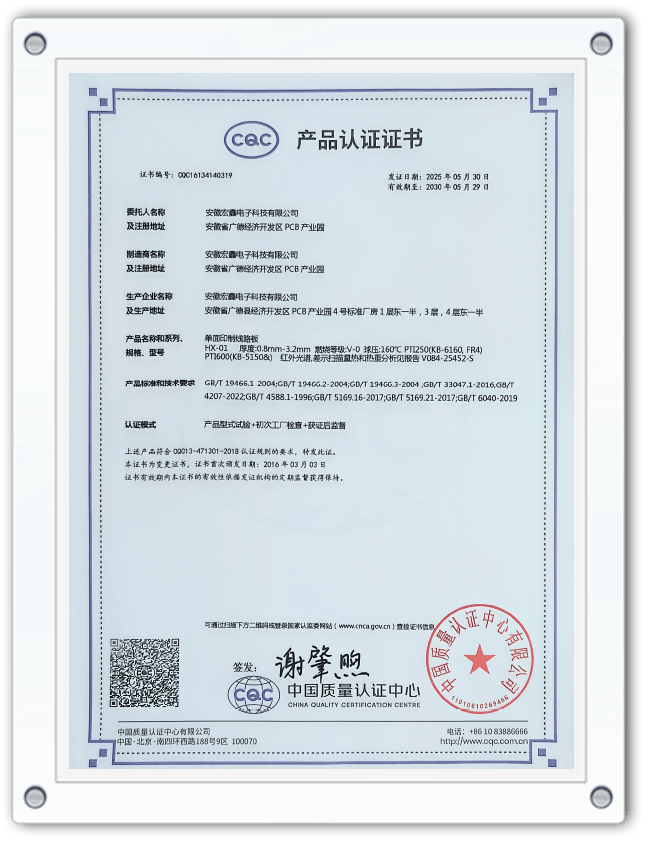
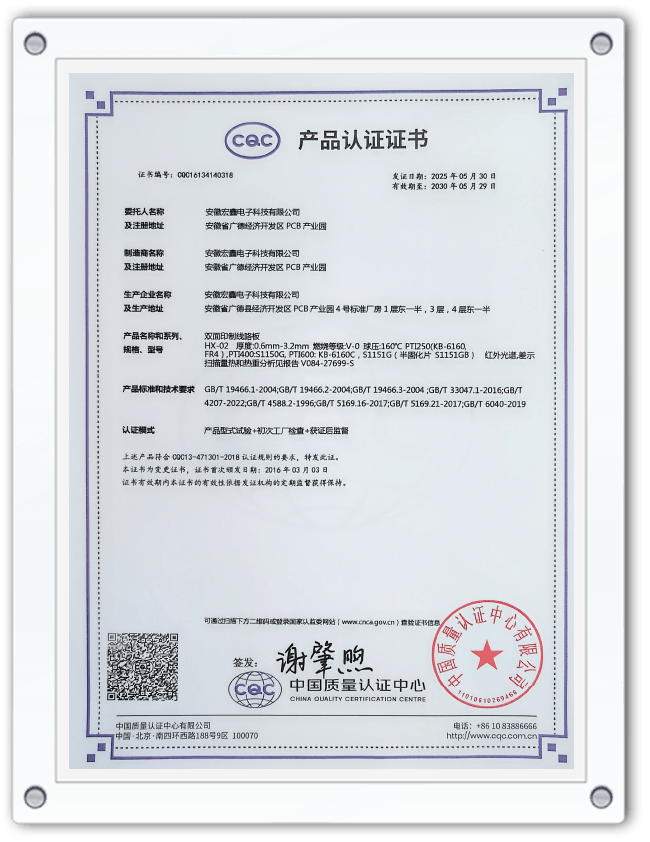
Expertise in Halogen-Free PCBs: Anhui Hongxin Electronic Technology Co., Ltd. specializes in manufacturing a wide range of halogen-free PCBs, including 1-32 layer boards, high-Tg boards, rigid-flex boards, and more.
-
Comprehensive Product Offerings: The company caters to a variety of industries, including automotive, medical, telecommunications, and more, by providing customized solutions for halogen-free PCBs.
-
Advanced Manufacturing Capabilities: Hongxin offers cutting-edge production techniques, such as advanced surface treatment processes and custom designs, ensuring high-quality and reliable halogen-free PCB products.
-
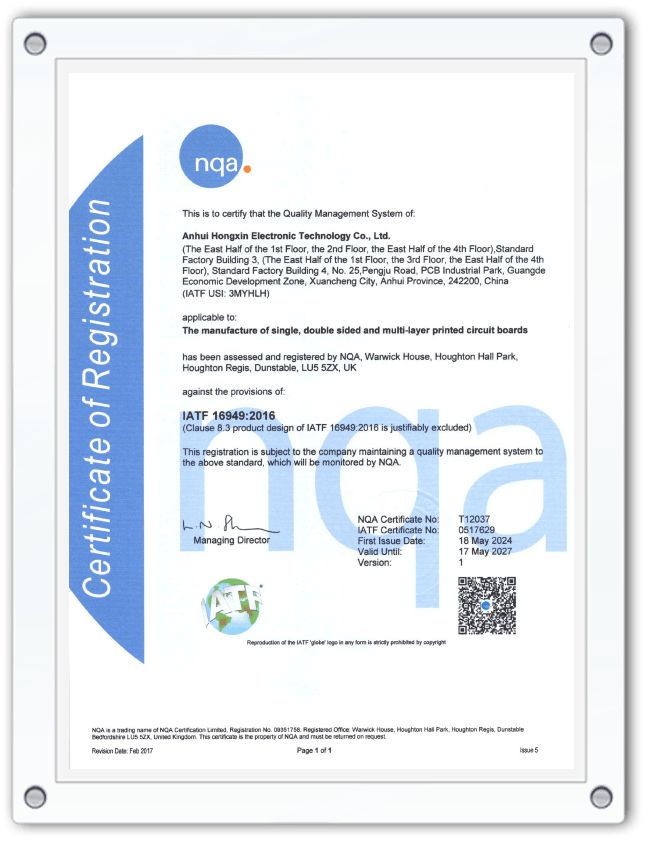
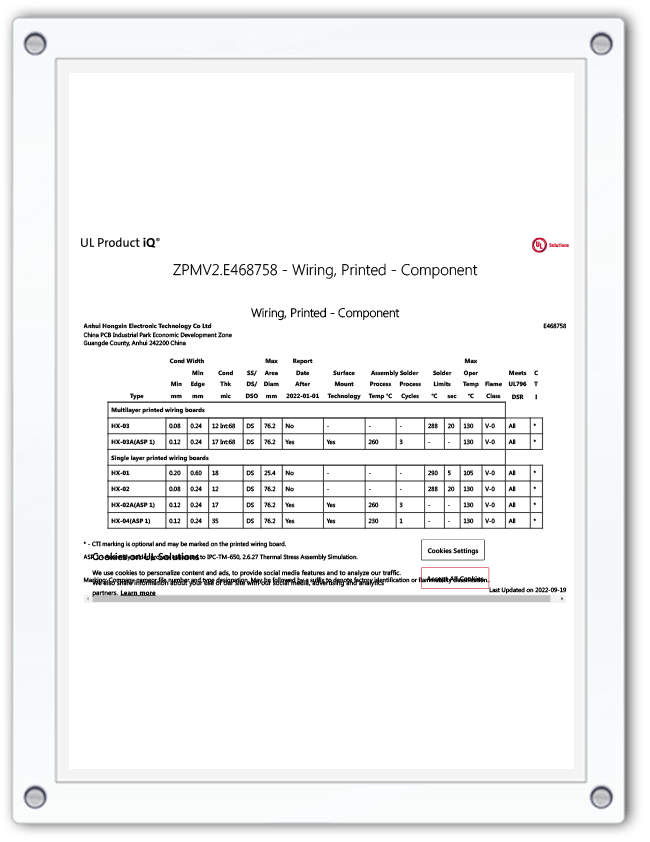
Quality Assurance: With certifications from ISO9001, ISO14001, and IATF16949, Hongxin ensures that all products meet stringent international quality standards.
-
Commitment to Sustainability: Hongxin’s halogen-free PCBs align with eco-friendly principles, offering a sustainable solution that supports both performance and environmental responsibility.
-
Competitive Pricing: Through direct factory sales, Hongxin provides high-quality halogen-free PCBs at competitive prices, ensuring cost-effectiveness for their customers.
By choosing Hongxin, customers benefit from top-tier halogen-free PCBs that meet the growing demand for environmentally responsible electronics across various high-tech fields.
Conclusion
The shift towards halogen-free PCBs represents a crucial step in the electronics industry’s ongoing commitment to sustainability and environmental responsibility. As regulatory standards tighten and environmental awareness increases, halogen-free PCBs are becoming an essential component of electronic products across various industries. By choosing halogen-free PCBs, companies not only ensure compliance with regulations but also contribute to the development of safer, more sustainable technology.



 English
  Español
  Français