Why is Thick Copper PCB a Key Component in Advanced Electronic Applications?
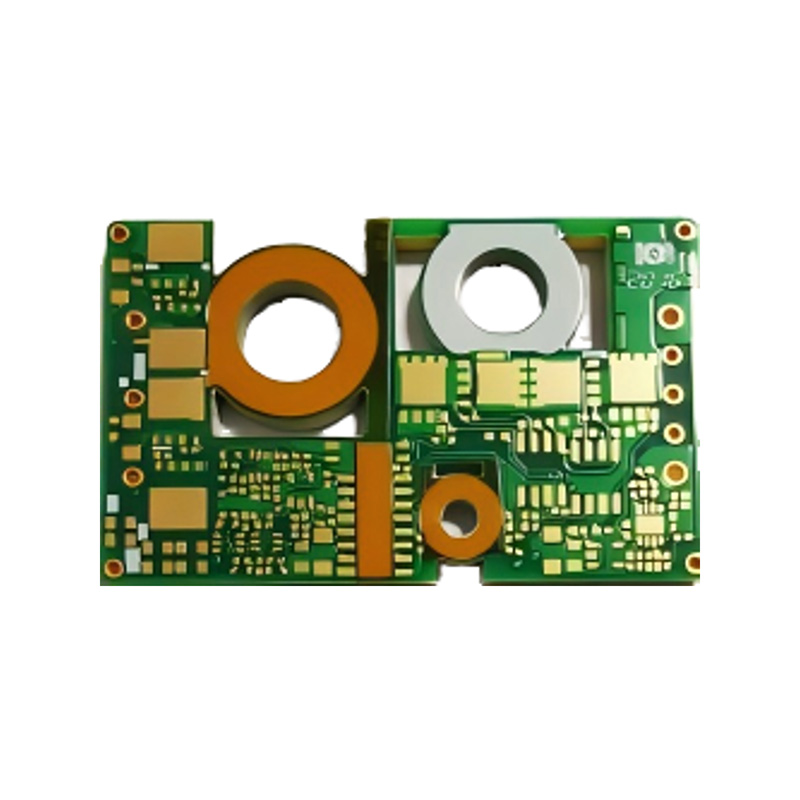
In the world of printed circuit boards (PCBs), thick copper PCB is rapidly becoming an essential material for high-power applications. These specialized boards are designed to handle high currents and offer superior heat dissipation, making them ideal for industries such as automotive, telecommunications, and industrial control systems.
Understanding the Basics of Thick Copper PCBs
Thick copper PCBs are distinct from standard PCBs due to their increased copper thickness, typically ranging from 3 oz/ft² to 10 oz/ft² (or more). This enhancement in copper content allows these boards to handle much higher electrical currents and dissipate heat more effectively. As electronic systems become more compact and powerful, the need for robust heat management solutions has driven the demand for thick copper PCBs. These boards not only facilitate higher electrical conductivity but also enhance the overall reliability and performance of the device in which they are installed.
Applications and Benefits of Thick Copper PCBs
Thick copper PCBs are used in applications where high current and thermal management are critical. Some of the key applications include:
-
Power Electronics:
Power converters, inverters, and power supplies require PCBs capable of handling high voltages and currents. Thick copper PCBs provide a stable platform for these systems, ensuring efficiency and durability even in high-stress environments.
-
Automotive Industry:
Modern vehicles, especially electric vehicles (EVs), use thick copper PCBs for power management systems, battery management systems (BMS), and motor control units. The ability to handle high currents and dissipate heat effectively makes thick copper a vital material in automotive electronics.
-
Telecommunications:
Telecom equipment, such as base stations and signal amplifiers, benefits from thick copper PCBs due to their superior conductivity and heat management properties. The demand for high-frequency performance and power efficiency in telecom systems makes thick copper an ideal choice.
-
Industrial Applications:
Industrial control systems and heavy machinery that operate under high electrical loads often utilize thick copper PCBs to ensure long-term performance without failure.
Key Features and Advantages of Thick Copper PCB
-
Improved Heat Dissipation:
The thick copper layer in these PCBs plays a crucial role in heat management. By providing a greater surface area for heat dissipation, thick copper PCBs help prevent overheating, which is a common issue in high-power applications.
-
Higher Current Capacity:
Thick copper PCBs can carry significantly more current than their standard counterparts. This makes them suitable for power-intensive applications such as motor controllers, power supplies, and LED lighting systems.
-
Enhanced Durability and Reliability:
The increased copper thickness improves the mechanical properties of the PCB, making it more durable and resistant to wear and tear. This ensures a longer lifespan for the electronic devices in which they are used.
-
Lower Electrical Resistance:
The increased copper thickness reduces the resistance of the traces on the PCB, which results in less power loss and better overall efficiency of the electronic system.
Design Considerations for Thick Copper PCB
Designing thick copper PCBs requires careful attention to several key factors, such as:
-
Copper Thickness:
The copper thickness should be chosen based on the current requirements and thermal management needs of the application. Typically, thicker copper is required for higher current applications.
-
Trace Width:
With increased copper thickness, the trace width can also be reduced. However, designers must ensure that the trace width is still adequate to handle the current load without overheating.
-
Thermal Management:
Effective thermal management strategies, such as the use of heat sinks or thermal vias, may be necessary to ensure that the PCB can efficiently dissipate heat generated by high current flows.
-
Via Technology:
Vias are used to connect different layers of a PCB. In thick copper PCBs, special via technology is employed to ensure that the vias can handle the high current without failure.
Production of Thick Copper PCBs: Challenges and Solutions
Manufacturing thick copper PCBs involves more advanced techniques than standard PCBs due to the thicker copper layers and the need for precise control during the etching process. Some of the key challenges in production include:
-
Uniform Copper Distribution:
Ensuring that the copper is evenly distributed across the board is crucial to avoid any weak points that could lead to failure under high currents. This requires highly controlled plating and etching processes.
-
Precision in Etching:
Etching thick copper requires advanced equipment to maintain accuracy and prevent over-etching, which could compromise the integrity of the board.
-
Mechanical Stress:
The increased copper thickness can create mechanical stress during manufacturing, which must be carefully managed to prevent PCB warping or cracking.
The Role of Advanced Manufacturing in the Thick Copper PCB Industry
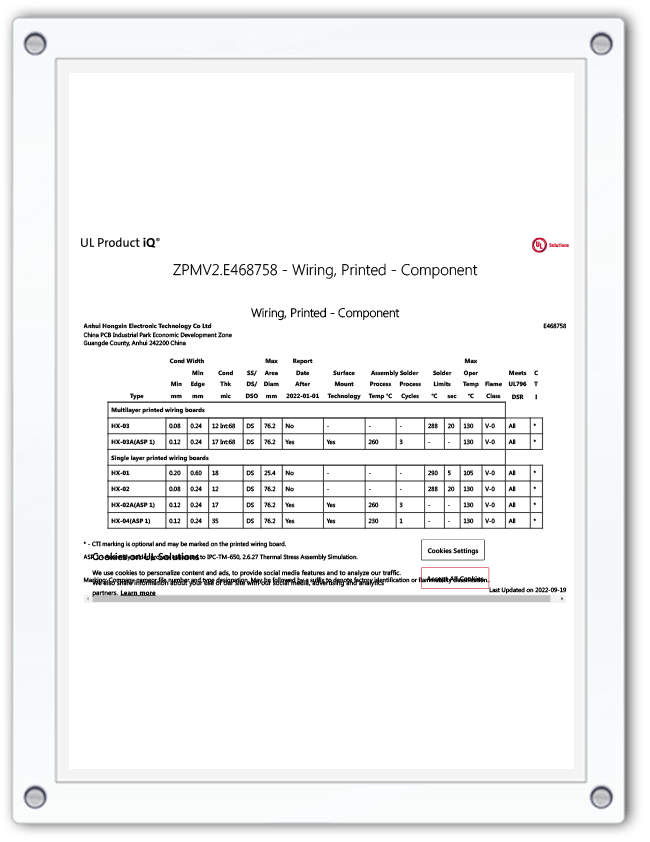
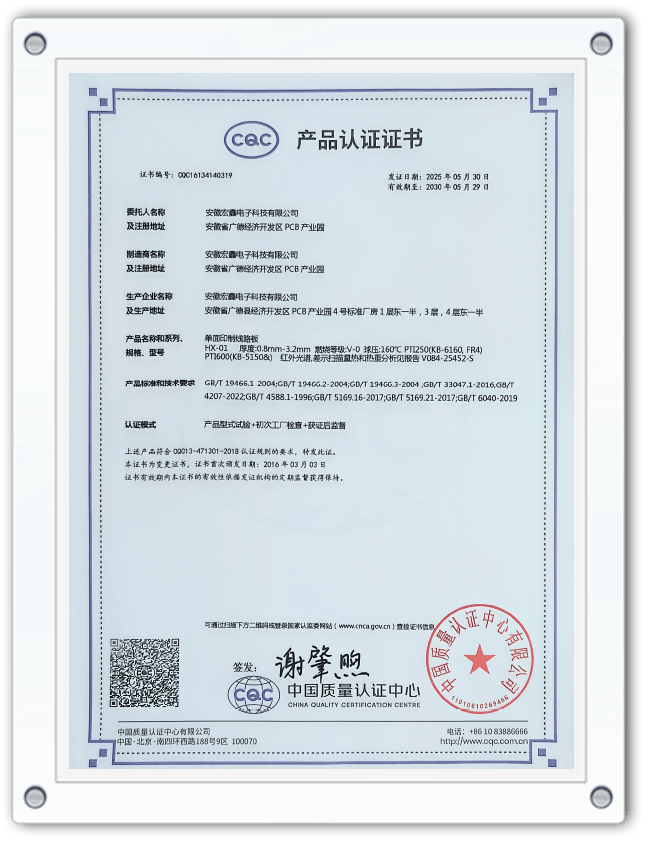
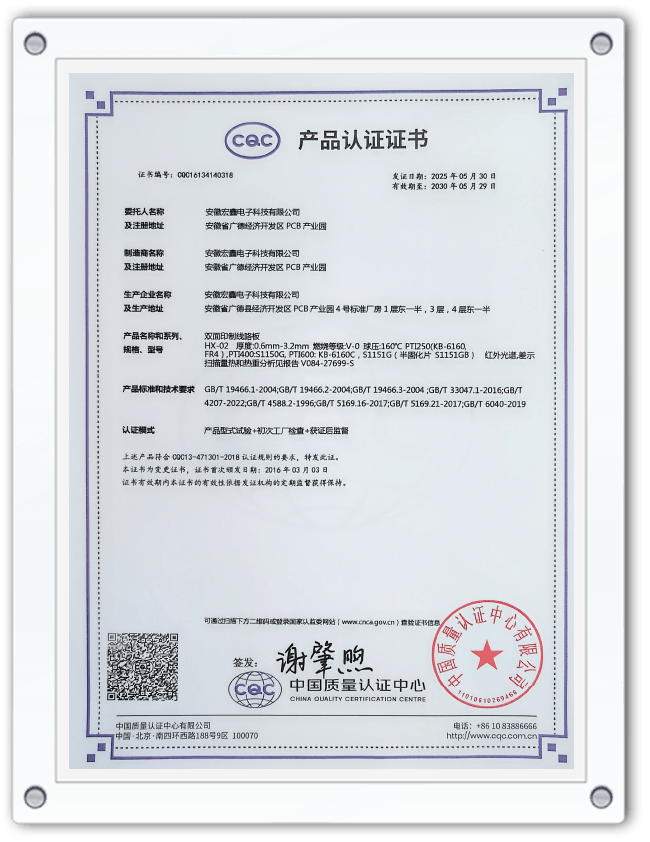
As a leading manufacturer of high-performance PCBs, Anhui Hongxin Electronic Technology Co., Ltd. specializes in providing thick copper PCBs that meet the rigorous demands of various high-power applications. With a focus on quality, reliability, and cost-efficiency, Anhui Hongxin ensures that each thick copper PCB is produced with the utmost precision and conforms to international standards.
-
Production Capacity:
Anhui Hongxin’s manufacturing facilities are equipped with state-of-the-art production lines, capable of producing thick copper PCBs in a variety of sizes and configurations. This enables the company to meet the growing demand for high-power PCBs in industries such as automotive, telecommunications, and power electronics.
-
Quality Assurance:
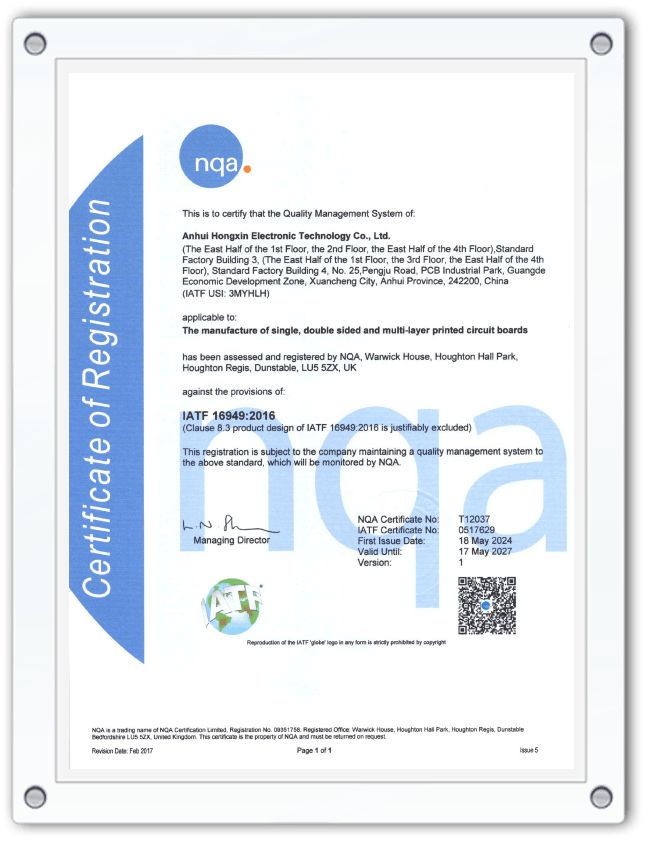
Anhui Hongxin Electronic Technology Co., Ltd. adheres to strict quality control standards, with all its products meeting certifications such as ISO9001, ISO14001, and ISO45001. The company’s commitment to quality ensures that every thick copper PCB is reliable and durable, delivering optimal performance in high-current applications.
-
Cost Efficiency:
With direct factory sales and a streamlined manufacturing process, Anhui Hongxin offers thick copper PCBs at competitive prices, providing excellent value without compromising on quality.
Conclusion
Thick copper PCBs are a critical component in modern electronics, providing the necessary current-carrying capacity and thermal management required for high-power applications. As industries continue to demand more efficient and compact electronic devices, the role of thick copper PCBs becomes increasingly important.



 English
  Español
  Français