Printed Circuit Board Assembly (PCBA): Key Technologies, Processes, and What Buyers Should Know
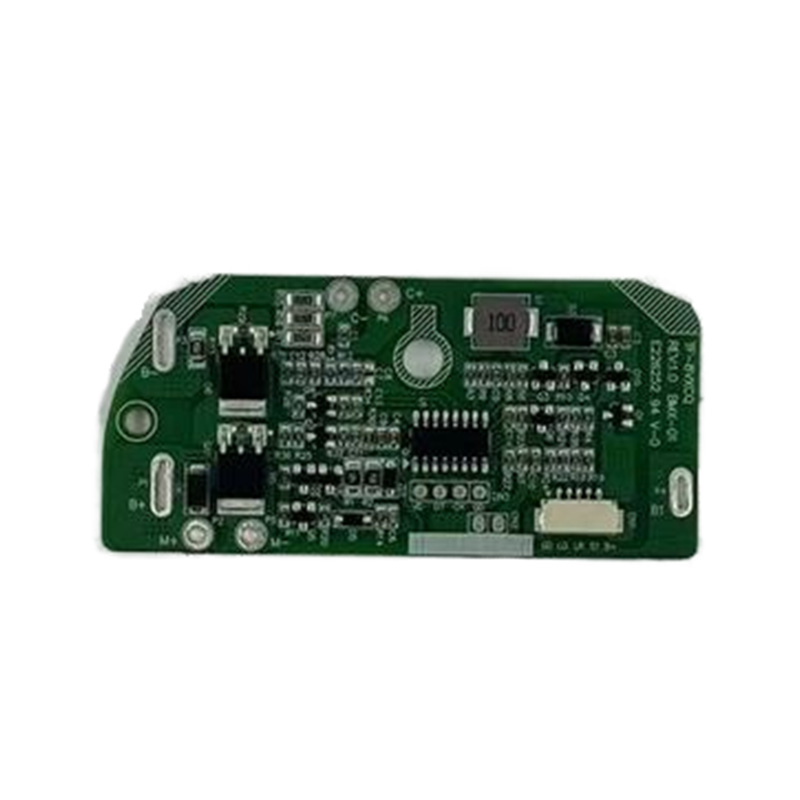
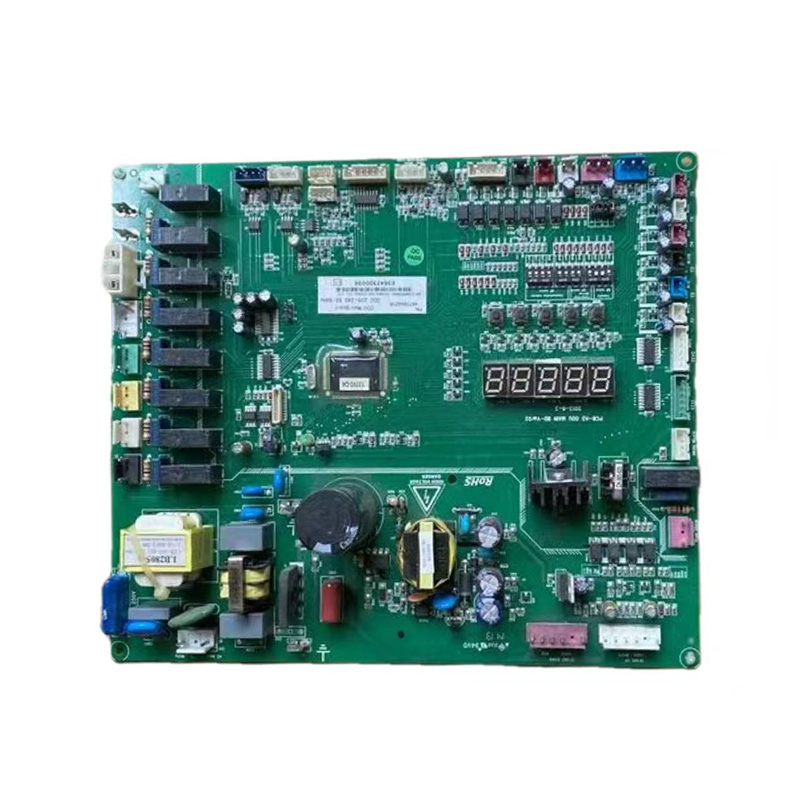
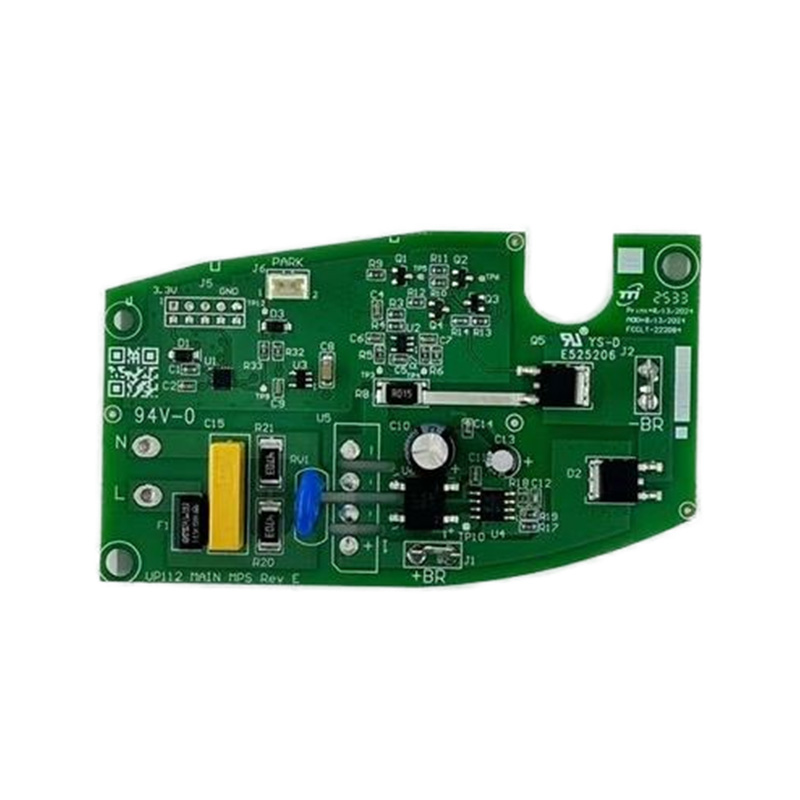
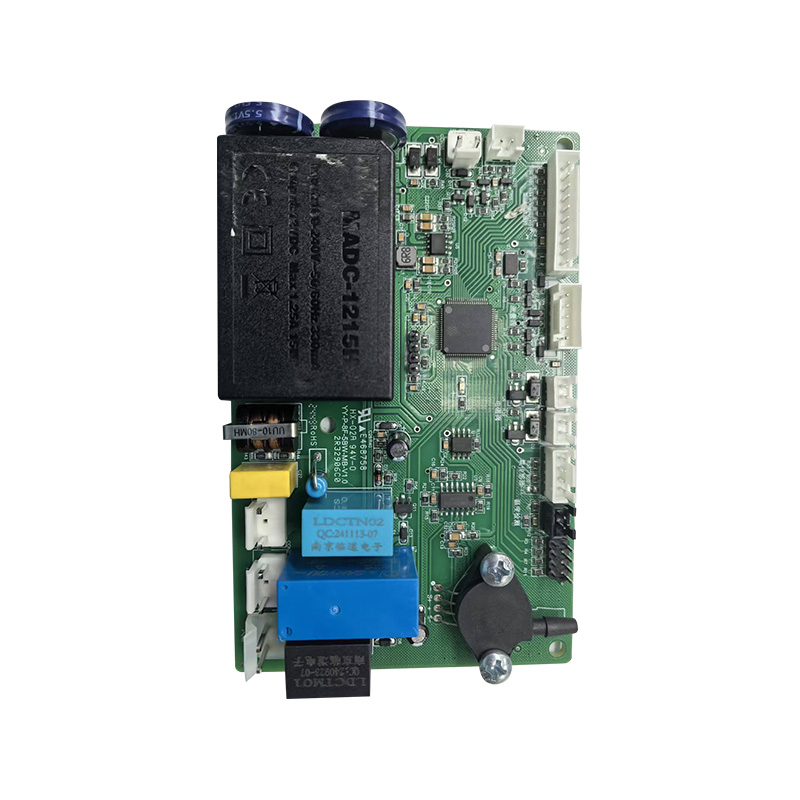
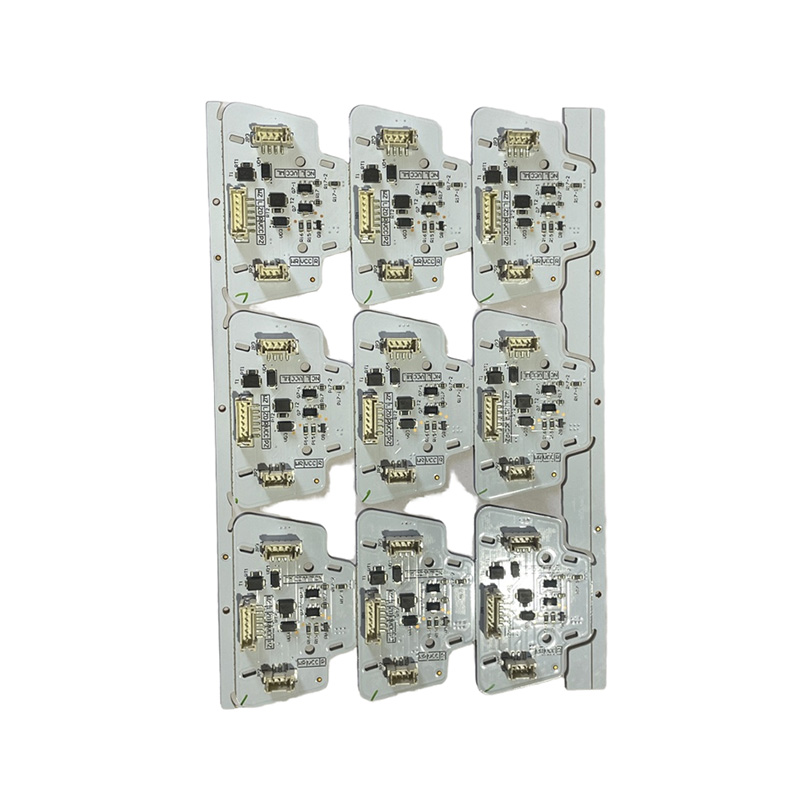
Printed Circuit Board Assembly (PCBA) is the core process that transforms a bare PCB into a fully functional electronic product. From component sourcing and placement to soldering, inspection, and testing, PCBA quality directly affects product reliability, lifespan, and market performance. Understanding the PCBA process helps buyers choose the right manufacturing partner and reduce supply chain risks.
What Is Included in a Complete PCBA Service?
A professional PCBA solution typically covers more than simple component mounting. It is a combination of engineering capability, production control, and quality assurance.
| PCBA Stage |
Description |
Buyer Value |
| PCB Fabrication |
1–32 layer boards, HDI, rigid-flex, high-frequency, metal-based |
Ensures signal integrity and thermal performance |
| SMT Assembly |
High-speed chip placement, fine-pitch components |
Supports high-density and miniaturized designs |
| THT Assembly |
Through-hole insertion and wave soldering |
Improves mechanical strength for connectors and power parts |
| Soldering Process |
Reflow & wave soldering with controlled profiles |
Reduces solder defects and rework rates |
| Inspection & Testing |
AOI, X-ray, functional testing |
Detects hidden defects before shipment |
| Final Assembly |
Box build, labeling, packaging |
Simplifies supply chain for OEM customers |
With advanced equipment and experienced engineers, Anhui Hongxin Electronic Technology Co., Ltd. supports both high-mix low-volume projects and stable mass production, helping customers move efficiently from prototype to full-scale manufacturing.
Common PCBA Types and Their Applications
Different electronic products require different PCBA solutions. Selecting the right board type is critical for performance and cost control.
| PCBA Type |
Typical Applications |
| High-Frequency PCBA |
RF modules, communication devices |
| Rigid-Flex PCBA |
Medical devices, aerospace electronics |
| Thick Copper PCBA |
Power supplies, industrial control systems |
| Metal Core PCBA |
LED lighting, automotive electronics |
| HDI PCBA |
Consumer electronics, compact smart devices |
The ability to handle high-Tg, halogen-free, buried via, and hybrid dielectric boards allows manufacturers to meet complex design and compliance requirements across global markets.
Why Lead Time and Process Control Matter in PCBA
In fast-moving industries, PCBA lead time can directly impact product launch schedules. Rapid prototyping and stable batch delivery help reduce development risk.
- Fast-turn PCB and assembly for urgent projects
- Stable delivery schedules for multi-layer and HDI boards
- Capability to handle both small-batch trials and large-volume orders
- Complete surface finish options to match different applications
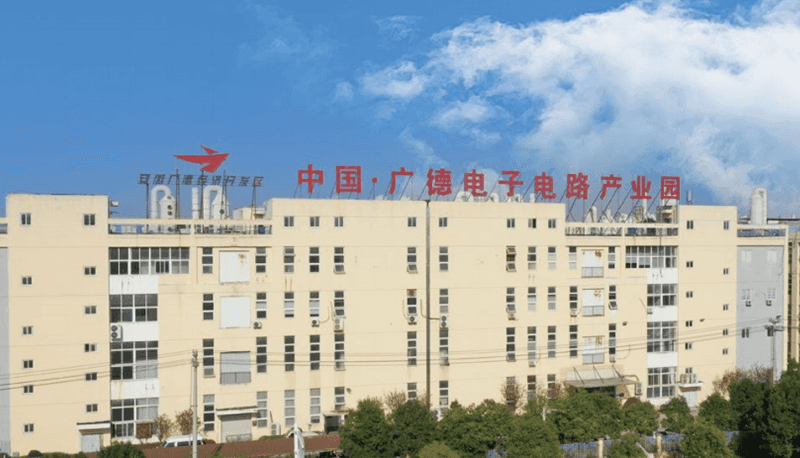
Factories located in established PCB industrial clusters benefit from stronger supply chain integration and cost efficiency, providing customers with more reliable delivery performance.
Quality Standards You Should Expect from a PCBA Supplier
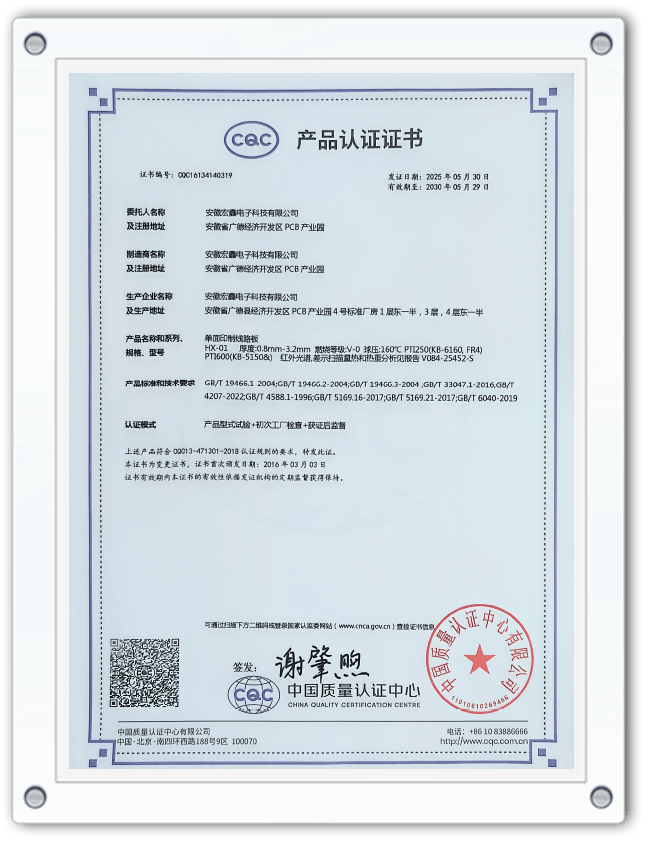
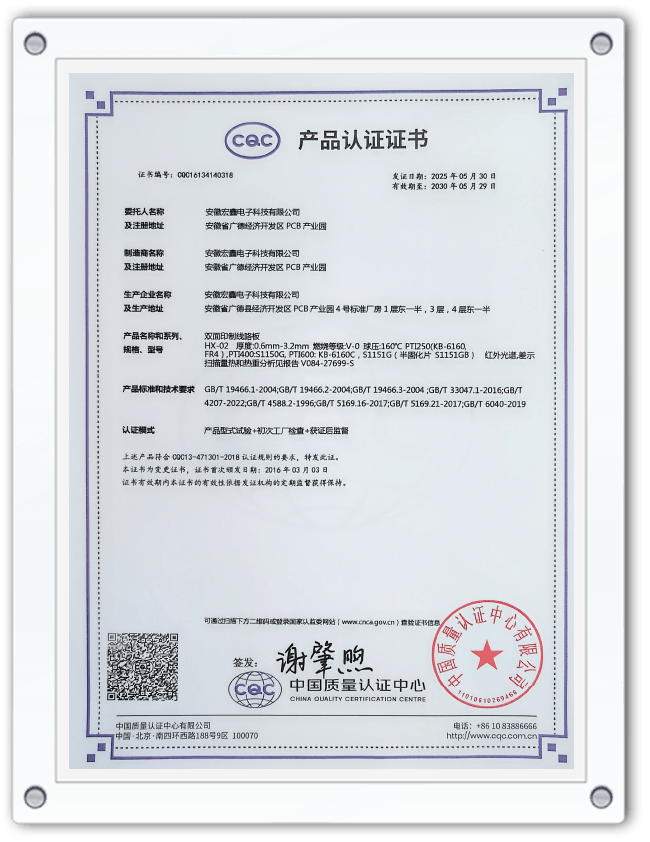
For international buyers, certifications are not optional—they are a baseline requirement.
- ISO9001 Quality Management System
- ISO14001 Environmental Management System
- ISO45001 Occupational Health and Safety Management
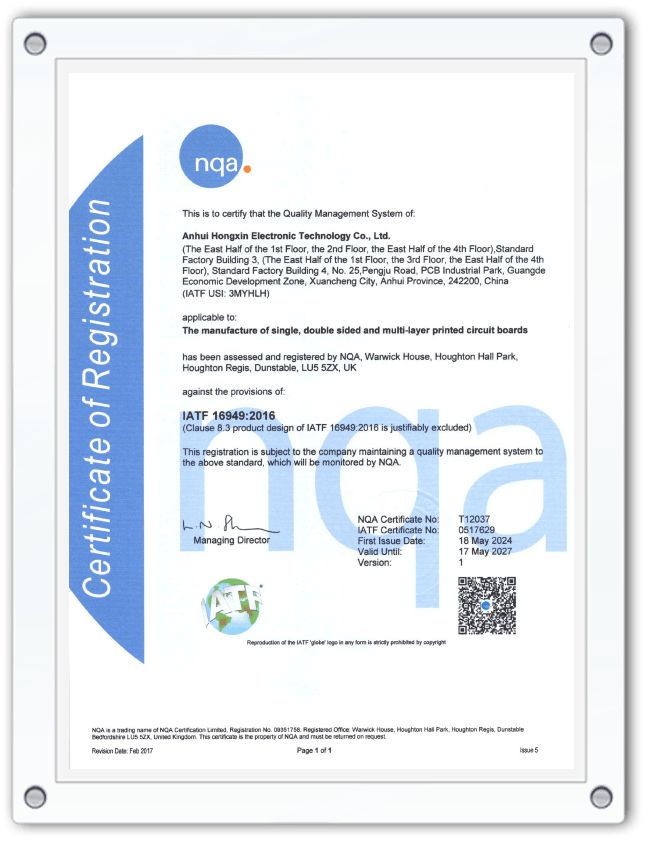
- IATF16949 Automotive Electronics Quality Standard
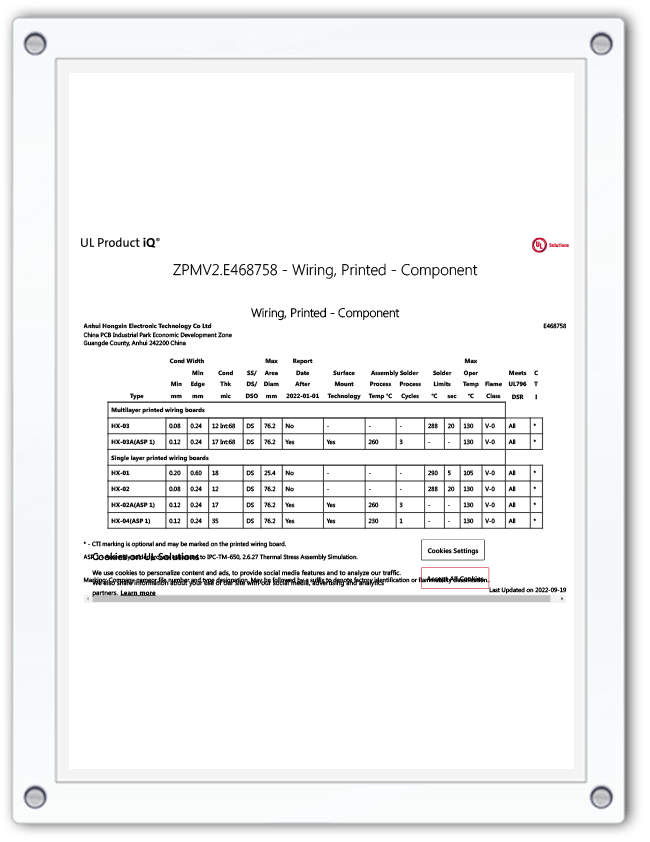
- UL Safety Certification
These systems ensure consistent quality, traceability, and compliance across different industries and regions.
PCBA Buyer FAQ
Can one supplier handle both PCB fabrication and assembly?
Yes. One-stop PCBA services reduce communication costs, shorten lead time, and minimize mismatch risks between PCB and assembly processes.
Is small-batch PCBA suitable for early-stage projects?
Absolutely. Small-batch and prototype PCBA are ideal for product validation, functional testing, and market trials before mass production.
How do I ensure PCBA quality before shipment?
Look for manufacturers offering AOI, X-ray inspection, and functional testing. These steps significantly reduce hidden defects.
What industries benefit most from advanced PCBA solutions?
Automotive electronics, industrial control, medical devices, communications, and consumer electronics all rely on stable, high-precision PCBA services.
Choosing the Right PCBA Manufacturing Partner
A strong PCBA partner is not just a production facility, but a technical collaborator. Experience, process capability, certification coverage, and delivery reliability all play critical roles.
Manufacturers like Anhui Hongxin Electronic Technology Co., Ltd., with a broad PCB technology range and global service experience, are well-positioned to support diverse application needs while maintaining quality consistency.
For buyers seeking long-term cooperation, focusing on engineering strength, production flexibility, and quality systems is the most effective way to ensure success in today’s competitive electronics market.



 English
  Español
  Français