


 English
 Español
 Français

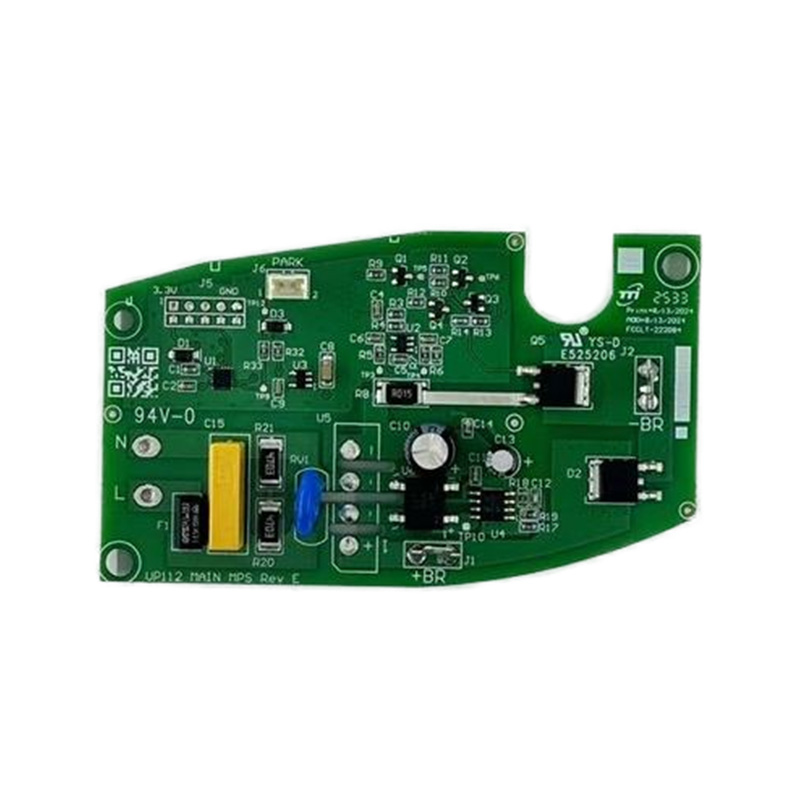

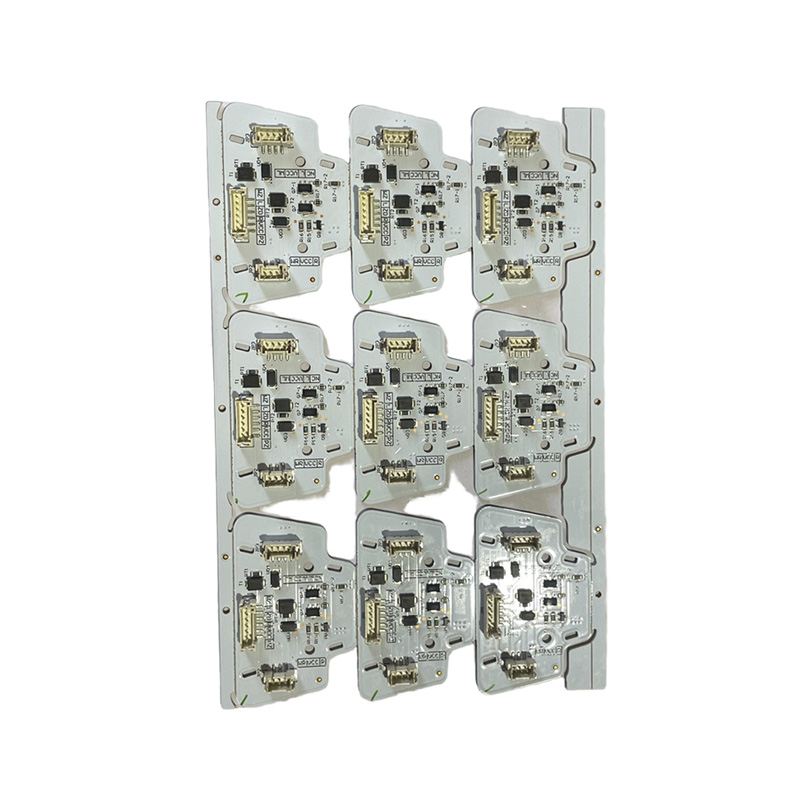
Industrial Control PCBA
The industrial control PCBA utilizes industrial-grade components and a reinforced protection design, supporting a wide operating temperature range (-40°C to 85°C) and 24/7 operation. It has passed stringent EMC and vibration certifications. It integrates multi-channel signal acquisition, PLC logic control, and industrial communication interfaces (RS485/CAN bus), and features overvoltage, overcurrent, and reverse polarity protection, achieving an IP65 protection rating. The board utilizes a multi-layer design and thick copper process for enhanced stability, making it suitable for automation equipment such as inverters, servo drives, and HMIs. It maintains high-precision control in harsh environments such as dust and humidity, making it a core enabler for reliable automated control in smart factories, mechanical equipment, and energy systems.
- Specification
- About Hongxin
- Contact Us
|
Materials |
FR-4, aluminum, ceramic, metal, copper, high-frequency, rigid-flex, halogen-free |
|
Board thickness |
0.3-6mm |
|
Copper thickness |
0.5oz-5oz |
|
Layers |
1-32 |
|
Place of origin |
Anhui, China |
|
Surface finish |
Standard HASL, lead-free HASL, OSP, immersion nickel/gold, blue glue, immersion silver, immersion tin |
|
Minimum aperture |
0.25mm |
|
Minimum trace width |
3mil (0.075mm) |
|
Minimum trace spacing |
0.075mm |
|
Board thickness to aperture ratio |
10:1 |
Product Overview
Industrial control PCBA is a populated circuit-board assembly used for control, monitoring, or signal processing in industrial equipment. Its functionality, component selection, assembly process, and test coverage depend on the customer's design and product requirements. Projects can be evaluated using the customer's design files, bill of materials (BOM), assembly drawings, and test specifications.
Typical Applications
- Industrial automation controllers
- Sensor and monitoring modules
- Equipment interfaces and signal-processing modules
- Industrial equipment control circuits
Key Features
- Project requirements can be reviewed against customer design documentation
- Available assembly processes and testing services must be confirmed
- Component sourcing, SMT, through-hole assembly, programming, and functional testing should only be listed if actually offered
FAQ
Q: What information is needed for a PCBA quotation?
A: Typical inputs include PCB design files, BOM, pick-and-place data, assembly drawings, order quantity, and test requirements. The exact requirements depend on the quotation scope.
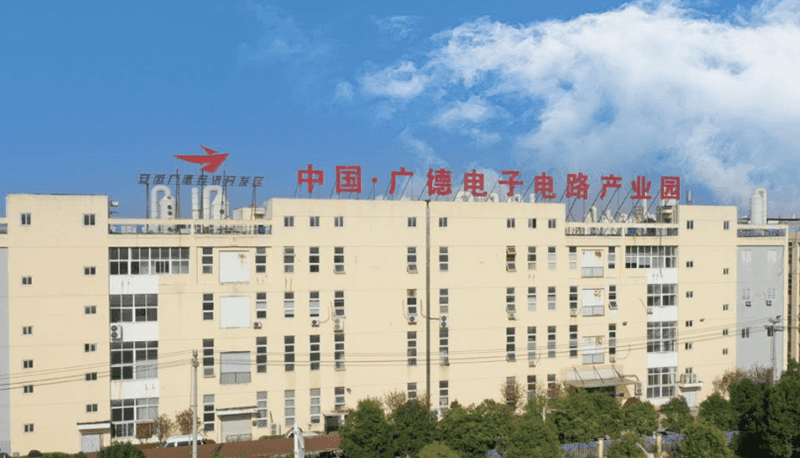
Anhui Hongxin Electronic Technology Co., Ltd. is located in the China PCB Industrial Park, Guangde Economic Development District, Anhui Province. Established in October 2013, our factory occupies 20,000 square meters and employs 110 staff members, including over 7 professional engineers with more than 15 years of experience. The company's PCB products include 1-32 layer boards, high-Tg boards, thick copper boards, rigid-flex boards, high-frequency boards, hybrid dielectric laminated boards, buried via boards, metal-based boards, and halogen-free boards. High-precision PCB rapid prototyping is available, with bulk orders for single- and double-sided boards delivered within 6-7 days, 4-8 layer boards within 9-20 days, 10-16 layer boards within 20-25 days, 16-32 layer boards within 25-45 days, HDI boards within 25 days, and double-sided prototyping deliverable as quickly as 24 hours. We are committed to providing high-quality products and professional services to global customers, and we have the capability to deliver both large quantities and small batches. The surface treatment processes of our products are complete. The base material types include FR-1, 22F, CEM-1, CEM-3, FR-4 (with high Tg, halogen-free, etc.), high-frequency boards, and metal substrates. All product types have passed ISO9001, ISO14001, ISO45001, IATF16949 international quality management system certifications, as well as UL safety certifications. Our sales network extends from inland areas to Southeast Asia, Europe, and America. In the fierce market competition, we have always received high praise from customers.
Recommended Products


About
Anhui Hongxin Electronic Technology Co., Ltd.
Anhui Hongxin Electronic Technology Co., Ltd. is China Industrial Control PCBA Suppliers and Wholesale Industrial Control PCBA Factory. It is located in China P C B Industrial Park, Guangde Economic Development District, Anhui Province. Established in October 2 0 1 3, our factory occupied 8, 413 square meters and employs 110 staff members, including over 7 professional engineers with more than 15 years of experience. The company's P C B products include 1- 32 layer boards, high Tg boards, thick copper boards, rigid-flex boards, high- frequency boards, hybrid dielectric laminated boards, buried via boards, metal-based boards, and halogen- free boards. High-precision P C B rapid prototyping is available, with bulk orders for single and double -sided boards delivered within 6 - 7 days, 4 - 8 layer boards within 9 - 20 days, 10 - 16 layer boards within 20 - 25 days, 16 - 32 layer boards within 25 - 45 days, H D I boards within 25 days, and double- sided prototyping deliverable as quickly as 24 hours.
We are committed to providing high-quality products and professional services to global customers, and we have the capability to deliver orders of both large quantities and small batches. The surface treatment processes of our products are complete. The base material types include FR-1, 22F, CEM-1, CEM-3, FR-4 (with high Tg, halogen-free, etc.), high-frequency boards, and metal substrates. All product types have passed ISO9001, ISO14001, ISO45001, IATF16949 international quality management system certifications and UL safety certifications. Our sales network extends from inland areas to Southeast Asia and Europe and America. In the fierce market competition, we have always received high praise from customers.
Certificate Of Honour


 LET'S CREATE THE FUTURE TOGETHER

Contact Us Anytime
Copyright © Anhui Hongxin Electronic Technology Co., Ltd. All Rights
Reserved.
privacy
Wholesale Industrial Control PCBA Suppliers, Factory

Message
We are committed to providing high-quality products and professional services to global customers
