


 English
  Español
  Français
-
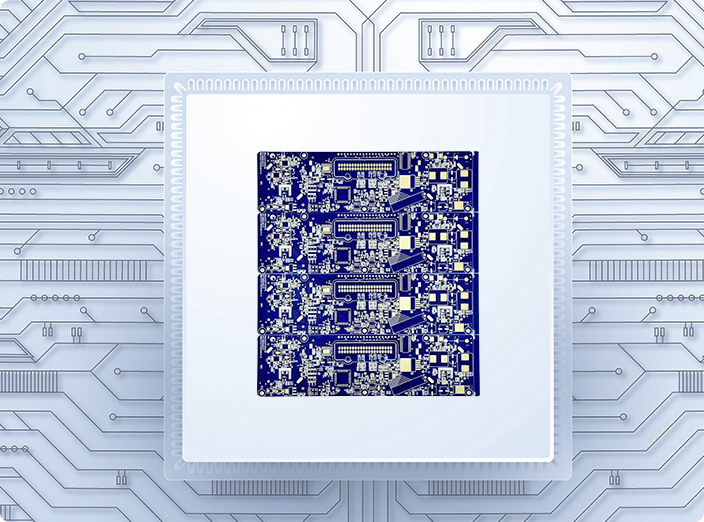
PCBPCB (Printed Circuit Board) is the core carrier of electronic components. Through printing technology, conductive lines are laminated on an insulating substrate to achieve electrical connections between electronic compon...View All Products
-
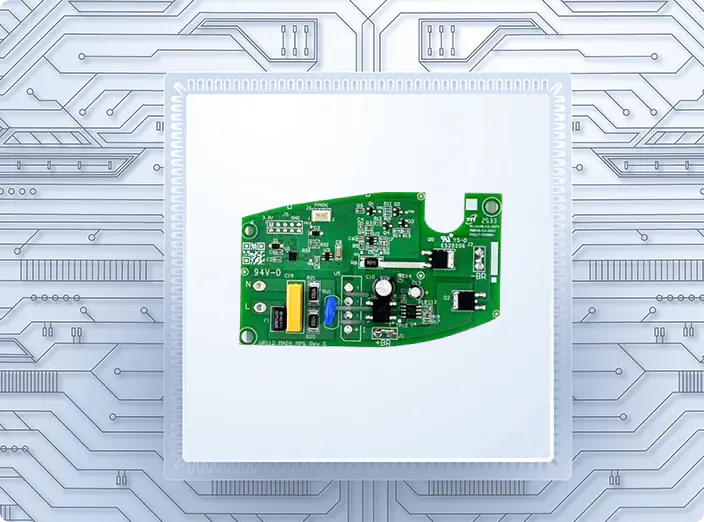
PCBAPCBA (Printed Circuit Board Assembly) is a complete functional module formed by soldering electronic components (such as chips, resistors, capacitors, etc.) on the basis of PCB, and is the core component of electronic de...View All Products
About
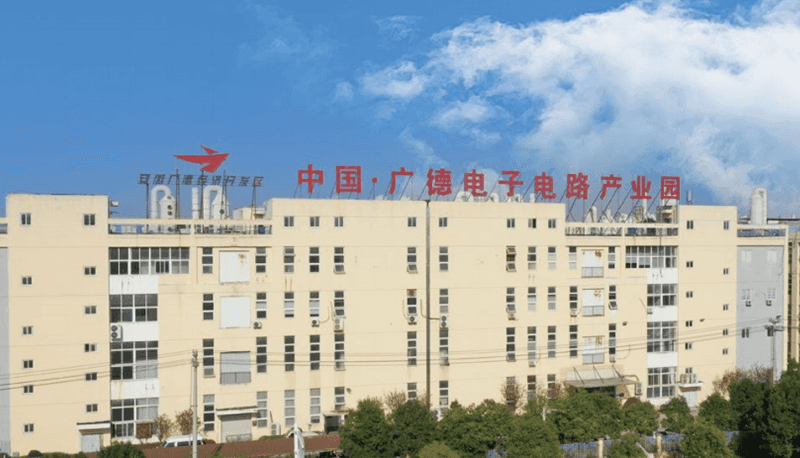
Anhui Hongxin Electronic Technology Co., Ltd.
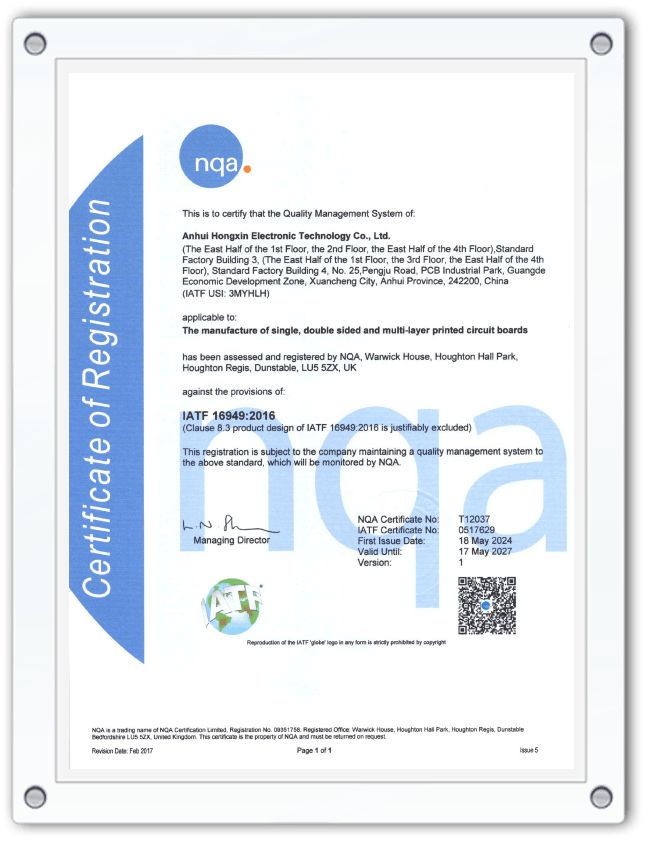
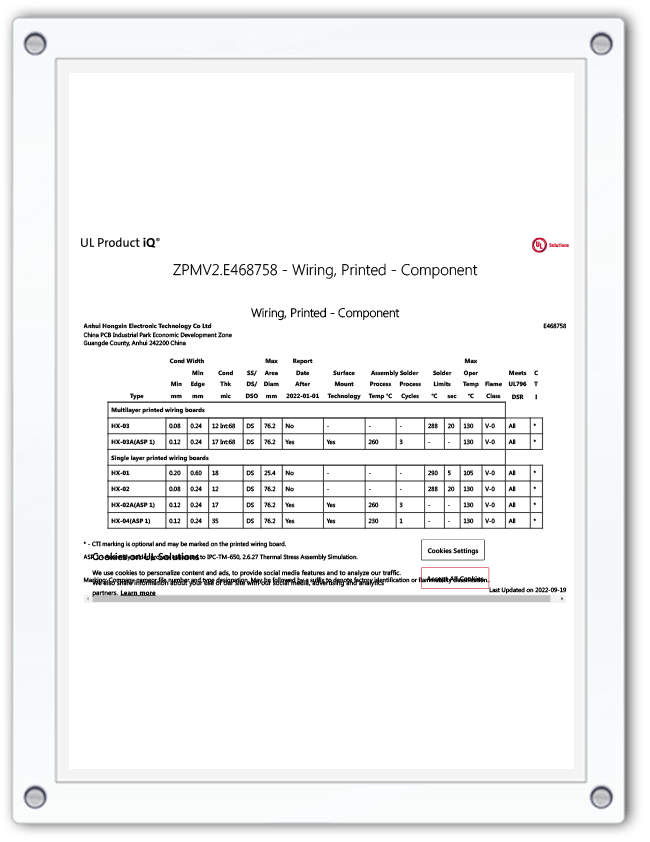
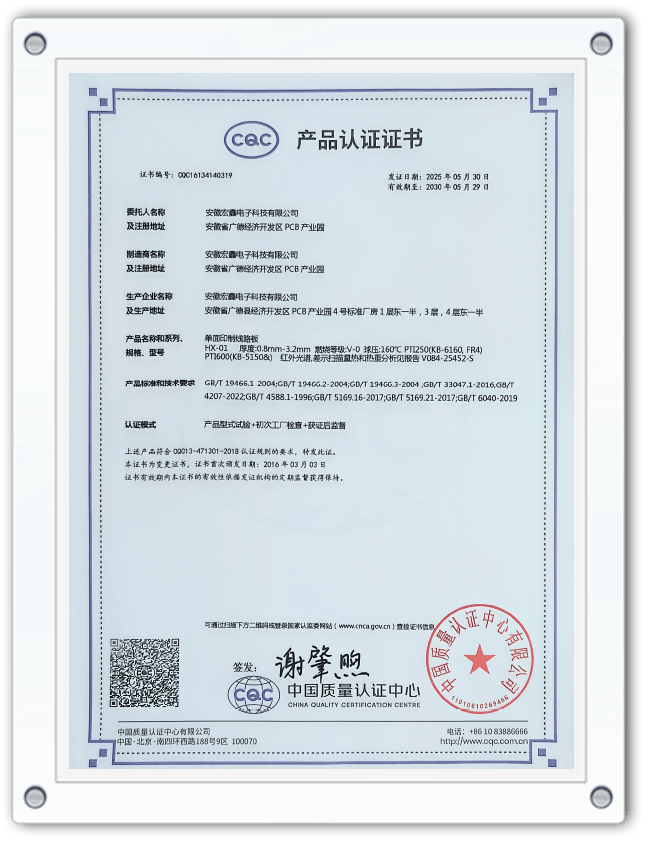
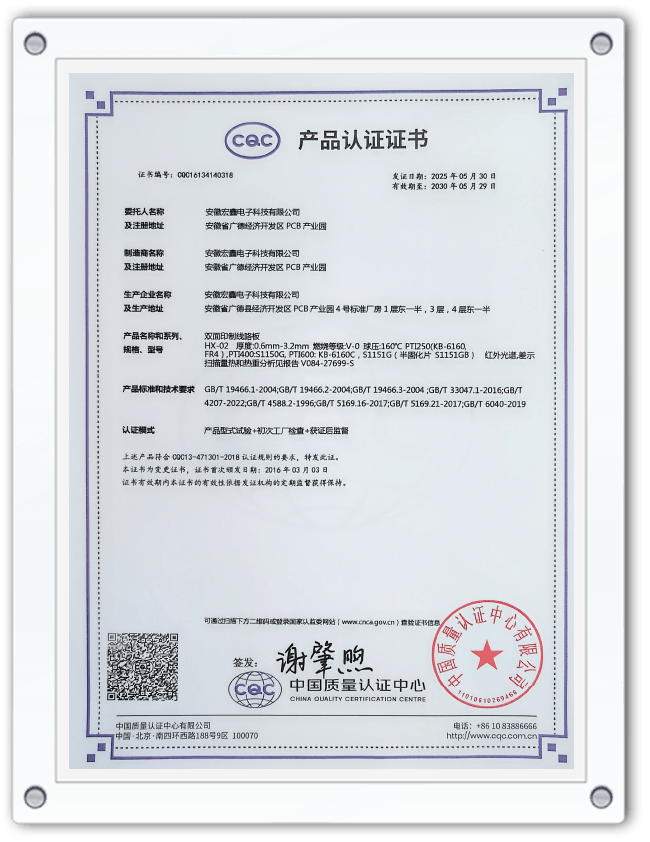
Anhui Hongxin Electronic Technology Co., Ltd. is China OEM PCB Board and PCBA Suppliers and Wholesale OEM PCB Board and PCBA Factory. It is located in the China PCB Industrial Park, Guangde Economic Development District, Anhui Province. Established in October 2013, our factory occupies 20,000 square meters and employs 110 staff members, including over 7 professional engineers with more than 15 years of experience. The company's PCB products include 1-32 layer boards, high-Tg boards, thick copper boards, rigid-flex boards, high-frequency boards, hybrid dielectric laminated boards, buried via boards, metal-based boards, and halogen-free boards. High-precision PCB rapid prototyping is available, with bulk orders for single- and double-sided boards delivered within 6-7 days, 4-8 layer boards within 9-20 days, 10-16 layer boards within 20-25 days, 16-32 layer boards within 25-45 days, HDI boards within 25 days, and double-sided prototyping deliverable as quickly as 24 hours. We are committed to providing high-quality products and professional services to global customers, and we have the capability to deliver both large quantities and small batches. The surface treatment processes of our products are complete. The base material types include FR-1, 22F, CEM-1, CEM-3, FR-4 (with high Tg, halogen-free, etc.), high-frequency boards, and metal substrates. All product types have passed ISO9001, ISO14001, ISO45001, IATF16949 international quality management system certifications, as well as UL safety certifications. Our sales network extends from inland areas to Southeast Asia, Europe, and America. In the fierce market competition, we have always received high praise from customers.
Certificate Of Honour
News
Products Industry knowledge
Understanding OEM PCB Board & PCBA Manufacturing
What Global Buyers Should Know Before Choosing a Supplier
In today’s electronics industry, OEM PCB Board and PCBA manufacturing is not just about producing circuit boards. It is about process control, material selection, delivery reliability, and long-term manufacturability. For global buyers, understanding these factors is critical when selecting a manufacturing partner.
1. OEM PCB vs. PCBA: Key Differences Buyers Often Overlook
| Item | OEM PCB Board | OEM PCBA |
|---|---|---|
| Scope | Bare PCB fabrication | PCB fabrication + component assembly |
| Buyer Responsibility | Component sourcing & assembly | Reduced workload, turnkey or partial turnkey |
| Risk Control | Focus on board quality | Requires assembly, soldering & testing control |
| Ideal For | EMS companies, in-house assembly | Brands, system integrators, startups |
Many buyers start with PCB fabrication and later move to integrated PCBA services to shorten supply chains and reduce coordination risks.
2. Why Material & Stack-up Capability Matters in OEM Projects
OEM projects often involve diverse application scenarios, such as industrial control, automotive electronics, power supplies, and RF communication. These applications place different demands on PCB materials and structures.
Common material options used in OEM manufacturing include:
- FR-4 (standard, high-Tg, halogen-free)
- High-frequency laminates
- Thick copper substrates
- Metal-based boards (aluminum, copper base)
- Hybrid dielectric laminated boards
Manufacturers like Anhui Hongxin Electronic Technology Co., Ltd., located in the China PCB Industrial Park, are equipped to handle 1–32 layer boards, rigid-flex structures, HDI, buried via designs, and high-frequency applications—making them suitable for both standard and technically demanding OEM programs.
3. Lead Time Flexibility: A Critical Factor for OEM Customers
For OEM buyers, delivery speed often affects time-to-market and inventory planning. A capable manufacturer should support both rapid prototyping and stable mass production.
| PCB Type | Typical Delivery Time |
|---|---|
| Double-sided prototype | As fast as 24 hours |
| Single / double-sided bulk | 6–7 days |
| 4–8 layer boards | 9–20 days |
| 10–16 layer boards | 20–25 days |
| 16–32 layer boards | 25–45 days |
| HDI boards | Around 25 days |
Such flexibility allows OEM customers to move efficiently from design verification to volume production without switching suppliers.
4. Quality Systems Behind Reliable OEM PCB & PCBA
In OEM manufacturing, consistency is often more important than one-time performance. Stable suppliers typically operate under multiple international quality systems, which help ensure traceability, process repeatability, and compliance across markets.
Common certifications expected by global buyers include:
- ISO9001 (Quality Management)
- ISO14001 (Environmental Management)
- ISO45001 (Occupational Health & Safety)
- IATF16949 (Automotive Quality Management)
- UL Safety Certification
These systems are especially important for automotive, industrial, and export-oriented OEM projects.
5. OEM PCB & PCBA: Small Batches or Large Volumes?
A frequent misconception is that OEM manufacturers only focus on large volumes. In reality, many projects require:
- Small-batch, high-mix production
- Engineering samples
- Pilot runs before scaling
Factories with high-precision PCB rapid prototyping capabilities and scalable production lines can support both scenarios, reducing the need for supplier changes during product lifecycle transitions.
6. Frequently Asked Questions (FAQ)
Q1: Can OEM PCB suppliers handle both simple and complex designs?
Yes. Mature manufacturers support a wide range—from basic double-sided boards to HDI, rigid-flex, and high-layer-count PCBs—under one production system.
Q2: Is it better to choose PCB + PCBA from the same supplier?
For many OEM buyers, integrated services reduce communication errors, shorten lead times, and improve overall quality control.
Q3: What industries benefit most from OEM PCB & PCBA services?
Industrial automation, automotive electronics, power systems, communication equipment, medical devices, and consumer electronics all rely heavily on OEM manufacturing.
Q4: How important is engineering experience?
Very important. Engineers with long-term experience can identify design-for-manufacturing (DFM) risks early, reducing rework and cost.
 LET'S CREATE THE FUTURE TOGETHER

Contact Us Anytime
Copyright © Anhui Hongxin Electronic Technology Co., Ltd. All Rights
Reserved.
Wholesale PCB Board and PCBA Suppliers, Factory

Message
We are committed to providing high-quality products and professional services to global customers
