


 English
  Español
  Français
How to Choose the Right Aluminum PCB Supplier for Your Project
Content
- 1 Introduction: Importance of Choosing the Right Aluminum PCB Supplier
- 2 Understanding Your Project Requirements
- 3 Evaluating Supplier Capabilities
- 4 Comparing Lead Times, Pricing & Quality Assurance
- 5 Geographic & Logistic Considerations
- 6 Conclusion & Supplier Checklist
- 7
- 8 Frequently Asked Questions (FAQ)
- 8.1 1. What makes aluminum PCBs better for thermal management?
- 8.2 2. How do turnaround times vary between prototyping and bulk orders?
- 8.3 3. What certifications should I expect from a qualified aluminum PCB supplier?
- 8.4 4. Are overseas low cost aluminum PCB suppliers viable for small batch runs?
- 8.5 5. How does material choice affect performance in high-power LED applications?
Introduction: Importance of Choosing the Right Aluminum PCB Supplier
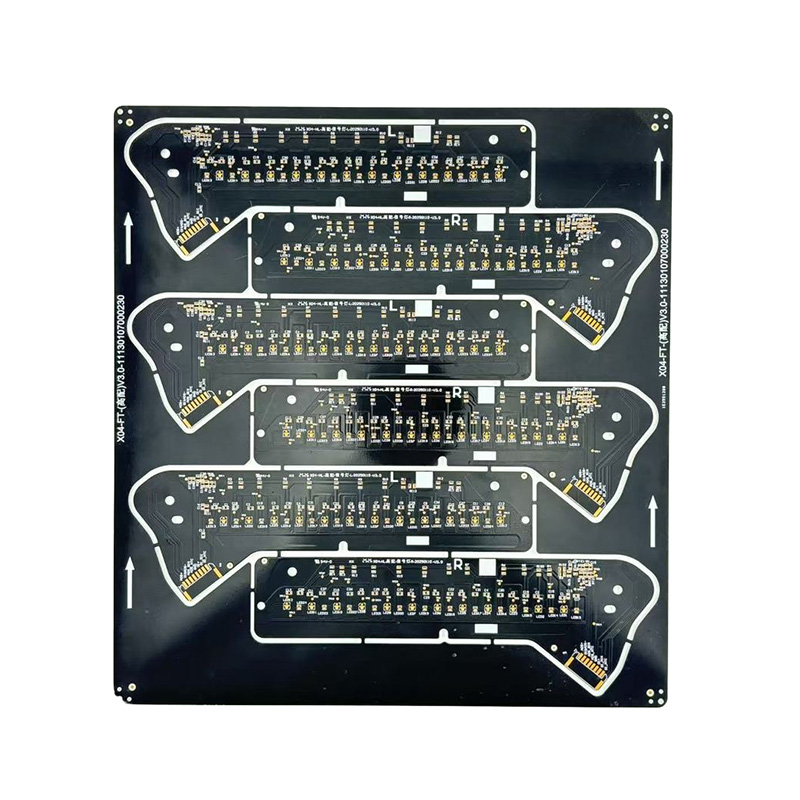
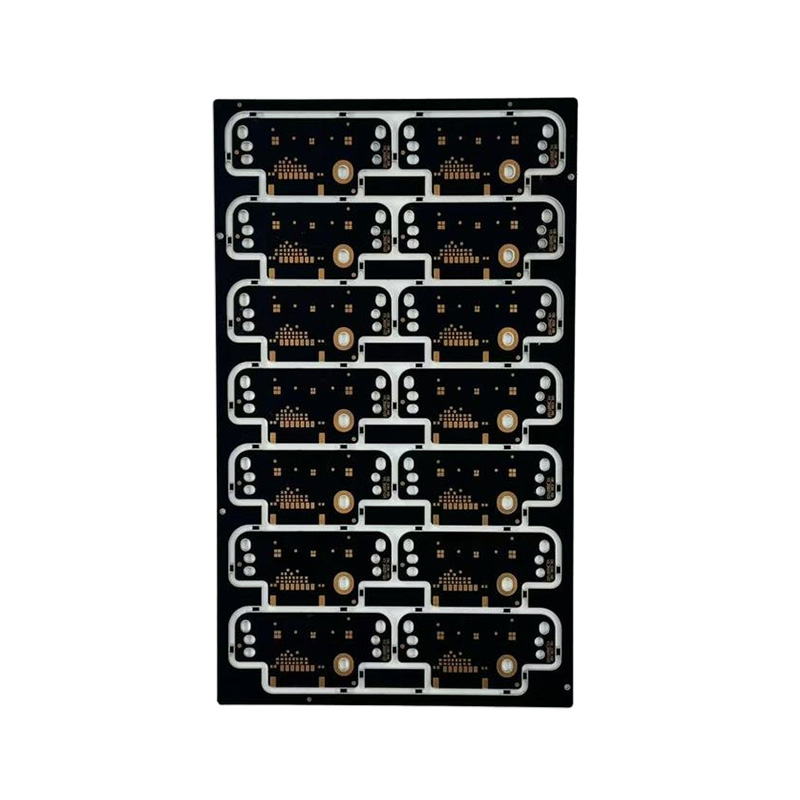
For projects in power electronics, LED lighting, and industrial control, selecting the right Aluminum PCB supplier is crucial. The performance, reliability, and thermal management of your devices depend heavily on the quality of the aluminum PCB, making supplier selection a strategic decision for both prototyping and large-scale production.
According to the latest report by Verified Market Reports, the global aluminum PCB market is projected to grow steadily between 2024 and 2025, driven by the increasing demand for high-power LEDs, automotive electronics, and industrial applications requiring enhanced thermal performance. Reliable suppliers with advanced manufacturing capabilities are becoming increasingly critical in meeting these growing market requirements.
Source: Verified Market Reports – Aluminum PCB Market Forecast
Understanding Your Project Requirements
Technical Specifications
Before selecting a supplier, define your project specifications clearly. Consider the board stack-up, copper thickness, dielectric material, and thermal conductivity requirements, especially for high-power applications such as LEDs or power conversion circuits. Standards such as IPC-2221 for PCB design and IPC-4101 for base materials provide technical guidance for ensuring performance and reliability.
- Support for custom aluminum PCB prototypes
- Thermal conductivity for high thermal aluminum PCB solutions
- Compliance with IPC and UL safety standards
Production Volume and Delivery Time
Determine the production volume and acceptable lead times. Rapid prototyping may require turnaround in as little as 24 hours for double-sided boards, while multi-layer boards may take several weeks. Anhui Hongxin Electronic Technology Co., Ltd. offers tiered delivery schedules: single- and double-sided boards within 6-7 days, 4-8 layer boards in 9-20 days, and 16-32 layer boards in 25-45 days, ensuring alignment with both prototyping and mass production needs.
Evaluating Supplier Capabilities
Manufacturing Standards & Certifications
Supplier qualifications are essential for ensuring consistent quality and reliability. Look for certifications such as:
- ISO9001, ISO14001, ISO45001, IATF16949 quality management systems
- UL safety certifications for aluminum PCBs
Material & Process Capabilities
Ensure the supplier can handle the specific materials and processes your project requires. This includes:
- Metal-based substrates for LED aluminum PCB for high-power lighting
- High Tg FR-4, halogen-free, and thick copper boards
- Surface treatments such as HASL, ENIG, or immersion silver
- Rigid-flex and hybrid dielectric laminated boards
Comparing Lead Times, Pricing & Quality Assurance
Turnkey Services & Prototyping
Evaluate how suppliers support your custom aluminum PCB prototypes or small batch orders. Rapid prototyping and flexible production capacity are key differentiators when comparing potential vendors.
Quality Control & Testing
- In-line electrical testing and functional verification
- Thermal cycling, mechanical stress testing, and reliability assessments
- Dimensional and surface inspections
Geographic & Logistic Considerations
Local vs Overseas Supplier Comparison
| Local Supplier | Overseas Supplier | |
| Lead Time | Short | Longer (shipping transit) |
| Communication | Real-time | Time zone differences |
| Cost | Higher | Lower production cost |
| Support | On-site feasible | Remote, structured support |
Shipping, Tariffs & Support
- Consider import duties, tariffs, and transit times for overseas suppliers
- Ensure suppliers have experience with international shipping documentation and customer support
Conclusion & Supplier Checklist
When selecting an aluminum PCB supplier, consider:
- Technical capability for your required board specifications
- Certifications and quality management systems
- Delivery timelines and cost effectiveness
- Track record and customer references
Keywords such as industrial aluminum core PCB manufacturers and low cost aluminum PCB supplier overseas can guide your search and refine supplier selection criteria.
Frequently Asked Questions (FAQ)
1. What makes aluminum PCBs better for thermal management?
Aluminum PCBs have a metal core that conducts heat away from critical components, reducing thermal resistance. This improves device longevity and performance, especially in high-power LED and industrial applications.
2. How do turnaround times vary between prototyping and bulk orders?
Prototyping is often faster, with double-sided boards deliverable in 24 hours and small batch orders within 6-7 days. Bulk orders, especially multi-layer boards, require longer lead times of 9-45 days depending on layer count and complexity.
3. What certifications should I expect from a qualified aluminum PCB supplier?
Look for ISO9001, ISO14001, ISO45001, IATF16949 for quality management, as well as UL safety certification for electrical compliance. These certifications ensure production consistency and safety standards.
4. Are overseas low cost aluminum PCB suppliers viable for small batch runs?
Yes, but consider shipping times, customs clearance, and communication delays. Suppliers with experience in international logistics can mitigate these challenges while providing cost advantages.
5. How does material choice affect performance in high-power LED applications?
The choice of dielectric and aluminum thickness directly impacts thermal dissipation. High thermal conductivity materials and thick copper layers improve heat management, reducing LED lumen degradation and extending operational life.

 LET'S CREATE THE FUTURE TOGETHER

Contact Us Anytime
Copyright © Anhui Hongxin Electronic Technology Co., Ltd. All Rights
Reserved.
privacy
Wholesale Printed Circuit Board Suppliers, Manufacturers

