


 English
 Español
 Français

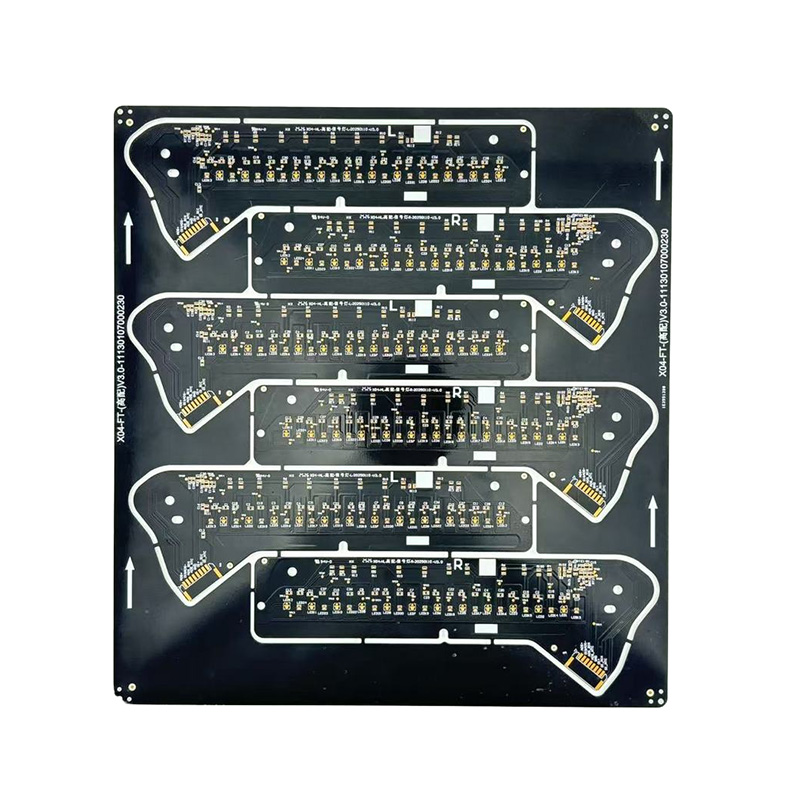

Single-Sided OSP PCB
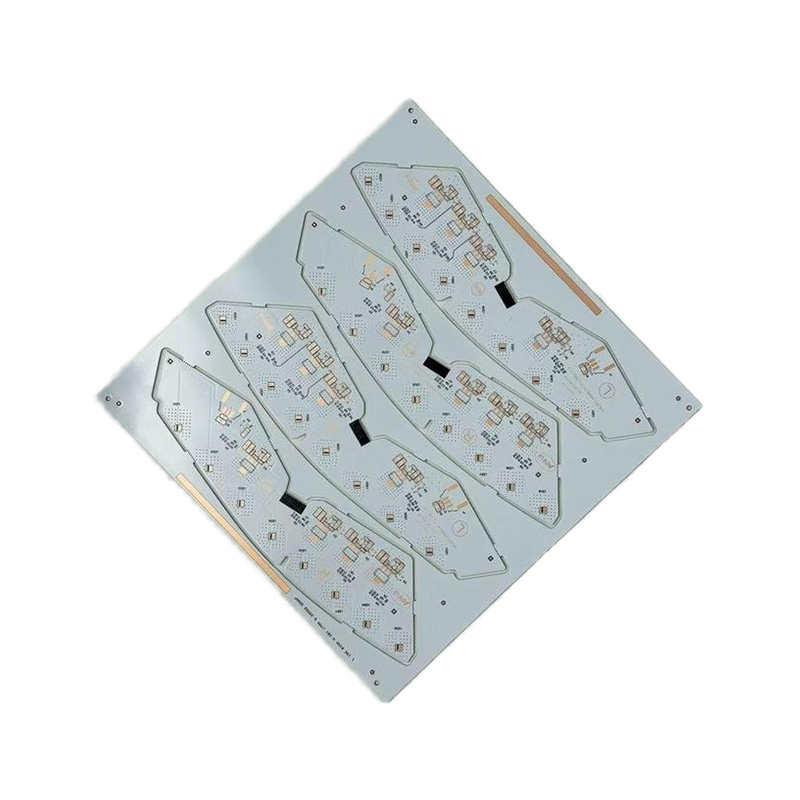
Aluminum-based PCBs utilize aluminum as their core heatsink layer, combined with a highly thermally conductive insulating medium. This provides excellent heat dissipation and mechanical strength, effectively reducing the operating temperature of high-power devices. With a thermal conductivity of 1-3W/mK, far exceeding that of traditional FR4 substrates, they are particularly well-suited for applications requiring efficient heat dissipation, such as LED lighting, power modules, automotive electronics, and high-power devices. The aluminum substrate combines lightweight and impact resistance, supports single-sided wiring, and offers excellent stability in high-temperature environments, significantly extending component life. It is a cost-effective metal substrate solution for addressing heat dissipation challenges.
- Specification
- About Hongxin
- Contact Us
|
Material |
Aluminum |
|
Supplier |
Shengyi |
|
Thickness |
1.6" |
|
Thermal Conductivity |
2W |
|
Finished Copper Thickness |
36µm |
|
Solder Mask |
Black |
|
Texture |
White |
|
Surface Finish |
OSP |
|
Finished Dimensions |
301mm x 279mm |
Product Overview
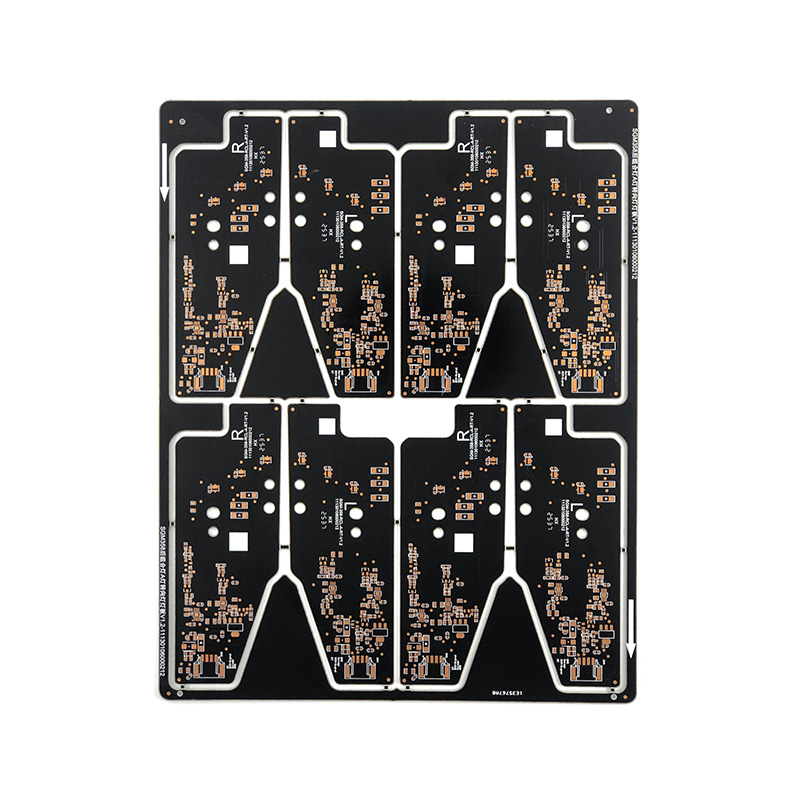
This double-sided PCB combines a matte black solder mask with a customer-specified gold-related surface finish. Before publishing the page, clarify whether “gold plating” refers to ENIG, electroplated gold, or selective gold plating. These processes differ in construction, application, and technical requirements and should be described accurately.
Typical Applications
- Industrial control boards
- Instrumentation
- Electronics with designated gold contact areas
- Electronic equipment requiring a matte-black appearance
Key Features
- Matte black solder mask for specific appearance requirements
- Gold-related surface finish defined by customer drawings
- Plating type, coverage, thickness, and acceptance criteria should be specified
FAQ
Q: Are ENIG and electroplated gold the same process?
A: No. They differ in process structure, typical applications, and technical requirements. The page should use the name that matches the actual manufacturing process.
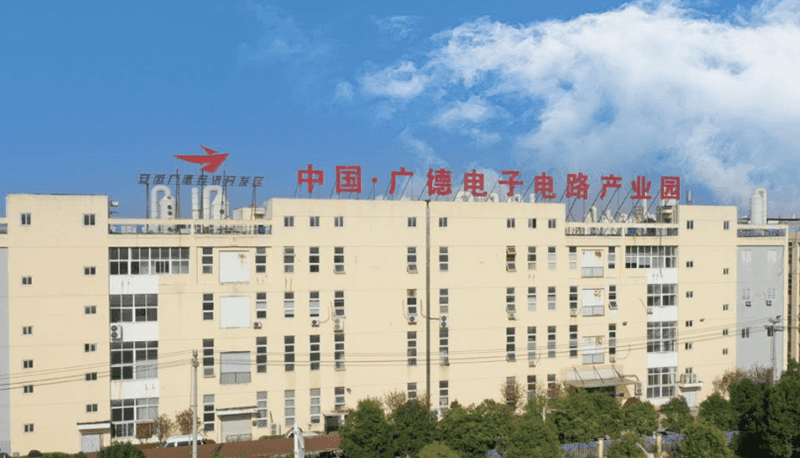
Anhui Hongxin Electronic Technology Co., Ltd. is located in the China PCB Industrial Park, Guangde Economic Development District, Anhui Province. Established in October 2013, our factory occupies 20,000 square meters and employs 110 staff members, including over 7 professional engineers with more than 15 years of experience. The company's PCB products include 1-32 layer boards, high-Tg boards, thick copper boards, rigid-flex boards, high-frequency boards, hybrid dielectric laminated boards, buried via boards, metal-based boards, and halogen-free boards. High-precision PCB rapid prototyping is available, with bulk orders for single- and double-sided boards delivered within 6-7 days, 4-8 layer boards within 9-20 days, 10-16 layer boards within 20-25 days, 16-32 layer boards within 25-45 days, HDI boards within 25 days, and double-sided prototyping deliverable as quickly as 24 hours. We are committed to providing high-quality products and professional services to global customers, and we have the capability to deliver both large quantities and small batches. The surface treatment processes of our products are complete. The base material types include FR-1, 22F, CEM-1, CEM-3, FR-4 (with high Tg, halogen-free, etc.), high-frequency boards, and metal substrates. All product types have passed ISO9001, ISO14001, ISO45001, IATF16949 international quality management system certifications, as well as UL safety certifications. Our sales network extends from inland areas to Southeast Asia, Europe, and America. In the fierce market competition, we have always received high praise from customers.


About
Anhui Hongxin Electronic Technology Co., Ltd.
Anhui Hongxin Electronic Technology Co., Ltd. is China Single-Sided OSP PCB Suppliers and Wholesale Single-Sided OSP PCB Factory. It is located in China P C B Industrial Park, Guangde Economic Development District, Anhui Province. Established in October 2 0 1 3, our factory occupied 8, 413 square meters and employs 110 staff members, including over 7 professional engineers with more than 15 years of experience. The company's P C B products include 1- 32 layer boards, high Tg boards, thick copper boards, rigid-flex boards, high- frequency boards, hybrid dielectric laminated boards, buried via boards, metal-based boards, and halogen- free boards. High-precision P C B rapid prototyping is available, with bulk orders for single and double -sided boards delivered within 6 - 7 days, 4 - 8 layer boards within 9 - 20 days, 10 - 16 layer boards within 20 - 25 days, 16 - 32 layer boards within 25 - 45 days, H D I boards within 25 days, and double- sided prototyping deliverable as quickly as 24 hours.
We are committed to providing high-quality products and professional services to global customers, and we have the capability to deliver orders of both large quantities and small batches. The surface treatment processes of our products are complete. The base material types include FR-1, 22F, CEM-1, CEM-3, FR-4 (with high Tg, halogen-free, etc.), high-frequency boards, and metal substrates. All product types have passed ISO9001, ISO14001, ISO45001, IATF16949 international quality management system certifications and UL safety certifications. Our sales network extends from inland areas to Southeast Asia and Europe and America. In the fierce market competition, we have always received high praise from customers.
Certificate Of Honour


 LET'S CREATE THE FUTURE TOGETHER

Contact Us Anytime
Copyright © Anhui Hongxin Electronic Technology Co., Ltd. All Rights
Reserved.
privacy
Wholesale Single-Sided OSP PCB Suppliers, Factory

Message
We are committed to providing high-quality products and professional services to global customers
