


 English
  Español
  Français
FR4 vs Aluminum, Ceramic & Rogers PCB: Substrate Guide
Content
FR4 PCB vs Aluminum PCB
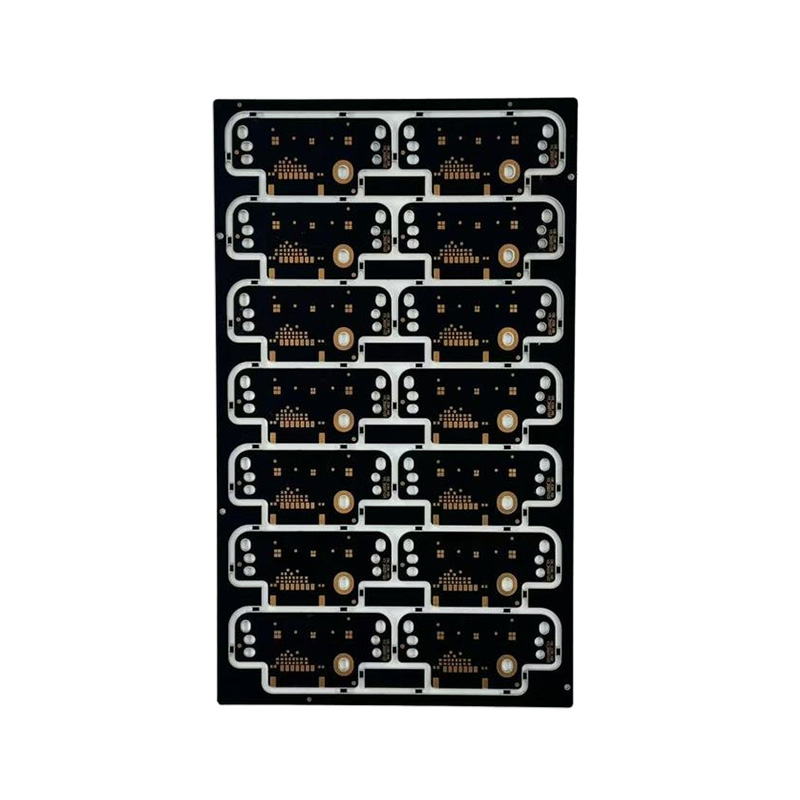
FR4 is an electrical insulator with modest thermal conductivity, while aluminum PCB uses a metal core specifically to move heat away from components far more effectively. Aluminum PCBs (also called metal-core PCBs, or MCPCBs) sandwich a thin dielectric layer between the copper circuit layer and an aluminum base plate, allowing heat generated by components to conduct through to the aluminum and dissipate, often into an attached heat sink.
This makes aluminum PCB the standard choice for high-power LED lighting, power converters, and other applications generating significant heat that needs an efficient path away from sensitive components — applications where standard FR4's comparatively poor thermal conductivity would allow heat to build up and reduce component lifespan or reliability. FR4 remains the better and more cost-effective choice for the vast majority of general electronics that don't have this specific high-heat-dissipation requirement.
FR4 PCB vs Ceramic PCB
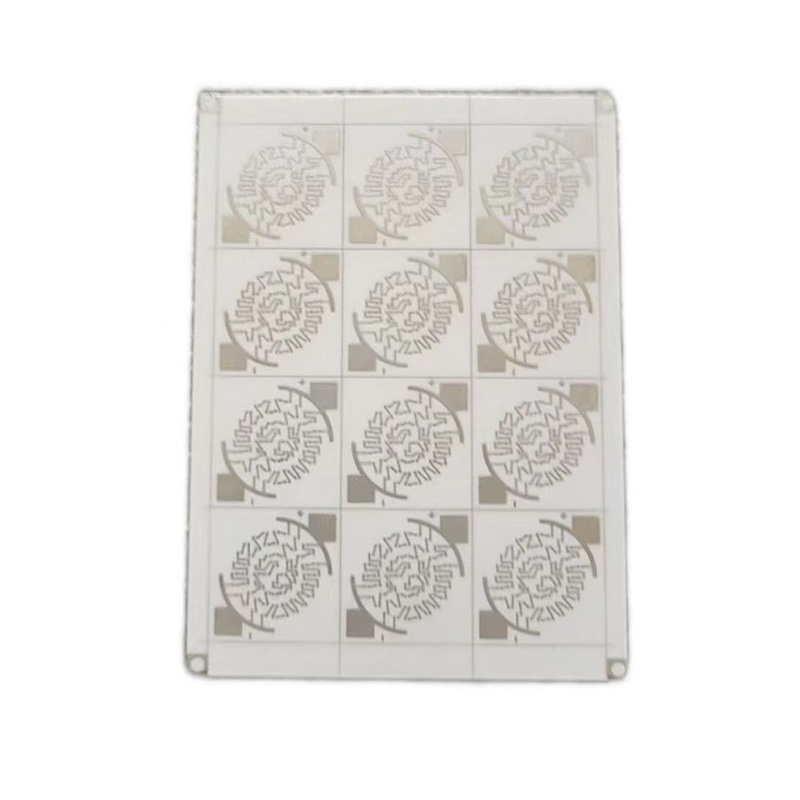
Ceramic PCB substrates — commonly alumina or aluminum nitride — offer substantially higher thermal conductivity than either FR4 or aluminum PCB, along with excellent high-frequency electrical performance and stability across a wide temperature range. Ceramic substrates are reserved for the most demanding thermal and high-frequency applications, such as RF power amplifiers, high-power LED packages, and aerospace/military electronics, where their significantly higher cost is justified by performance requirements that FR4 and even aluminum PCB can't meet.
Ceramic is also more brittle than FR4 or aluminum, which introduces mechanical handling considerations during manufacturing and assembly that don't apply to the more flexible, impact-tolerant FR4 substrate — another reason ceramic remains a specialty material rather than a general-purpose PCB substrate.
FR4 vs Rogers PCB
Rogers laminates are a family of high-frequency PCB materials engineered for tightly controlled, stable dielectric properties across a wide frequency range — a characteristic FR4 doesn't reliably provide, since FR4's dielectric constant varies more with frequency and temperature than Rogers material does. Rogers PCB material is the standard choice for RF, microwave, and high-speed digital designs operating in the GHz frequency range, where signal integrity depends heavily on predictable, stable substrate electrical characteristics.
| Factor | FR4 | Rogers |
|---|---|---|
| Dielectric stability | Varies more with frequency/temperature | Highly stable across frequency and temperature |
| Loss tangent | Higher, more signal loss at high frequency | Lower, better for high-frequency signal integrity |
| Cost | Lower | Significantly higher |
| Typical use | General electronics | RF/microwave circuits, high-speed digital |
Some designs use hybrid construction, combining FR4 layers for general circuitry with Rogers material specifically in the RF signal path, balancing overall board cost against the performance requirements of the high-frequency section alone.
FR4 Material vs High-Frequency PCB Material
"High-frequency PCB material" is a broader category that includes Rogers laminates along with other specialty materials (such as PTFE-based substrates) engineered specifically for RF and microwave performance. The dividing line between FR4 and dedicated high-frequency material generally comes down to operating frequency — FR4 remains usable up to a few GHz in less demanding applications, but above that range, signal loss and dielectric instability increasingly favor dedicated high-frequency substrates.
Best PCB Substrate Material: A Selection Guide
There's no universal "best" PCB substrate — the right material depends on thermal, electrical, mechanical, and cost requirements specific to the design. As a general guide, FR4 suits the vast majority of general-purpose electronics, aluminum PCB suits high-heat applications like LED lighting and power electronics, ceramic suits extreme thermal and high-frequency demands, and Rogers or similar high-frequency laminates suit RF and microwave circuit designs.
PCB Substrate Selection Guide
- Identify thermal management needs first — high-heat components point toward aluminum or ceramic substrates rather than standard FR4
- Determine operating frequency range — designs operating in the GHz range need dedicated high-frequency material rather than standard FR4
- Assess mechanical requirements, since ceramic's brittleness may be unsuitable for applications with vibration or mechanical shock
- Balance performance requirements against cost, since specialty substrates carry a significant price premium over standard FR4
Different Types of PCB Materials
| Material | Key Strength | Typical Use |
|---|---|---|
| FR4 | Balance of cost, strength, and general performance | General electronics |
| Aluminum (MCPCB) | Thermal dissipation | LED lighting, power electronics |
| Ceramic | Extreme thermal and frequency performance | RF power, aerospace/military |
| Rogers/PTFE laminates | Stable high-frequency electrical performance | RF/microwave circuits |
| Flexible (polyimide) | Bendable, thin, lightweight | Wearables, flex/rigid-flex circuits |
High-Temperature PCB Materials
Applications exposed to sustained high operating temperatures — automotive under-hood electronics, industrial equipment, aerospace systems — require substrate materials rated for higher continuous operating temperatures than standard FR4 comfortably provides. High-Tg FR4 addresses moderate elevated-temperature needs, while polyimide and ceramic substrates handle more extreme sustained high-temperature environments where even high-Tg FR4 would eventually degrade.
Multilayer FR4 PCB Applications
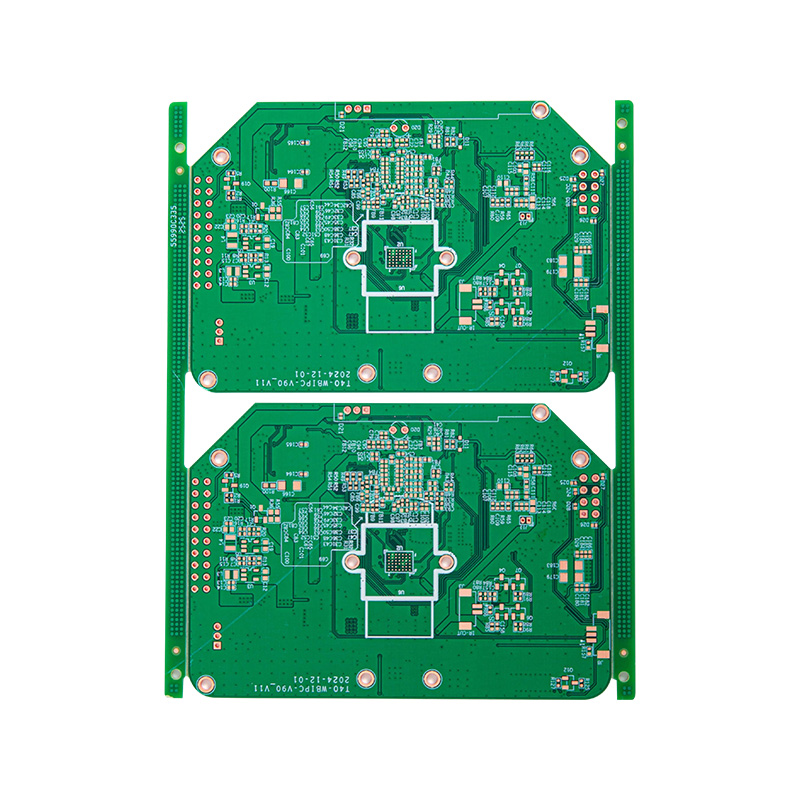
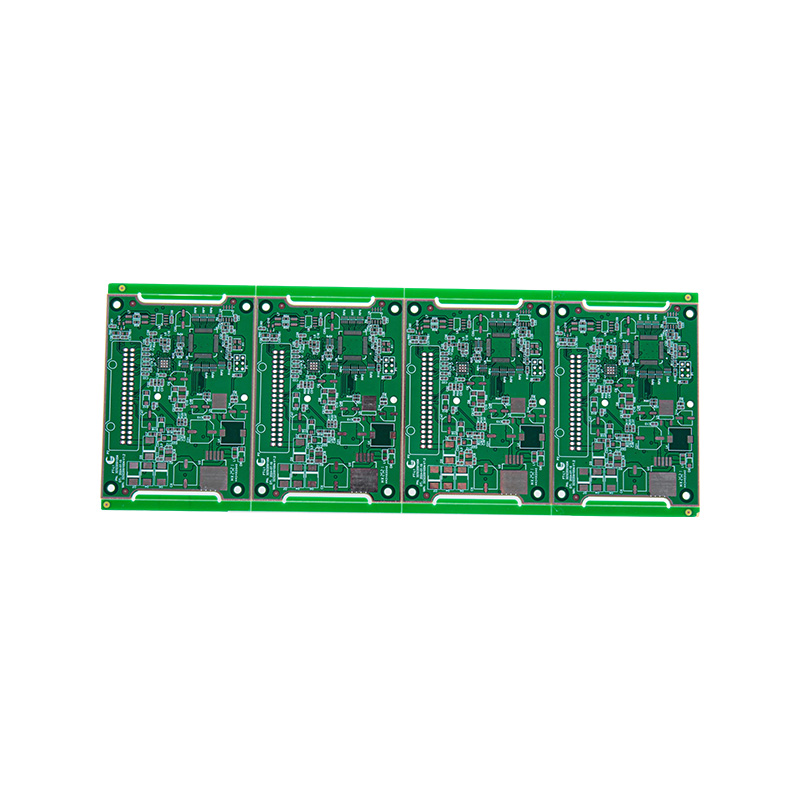
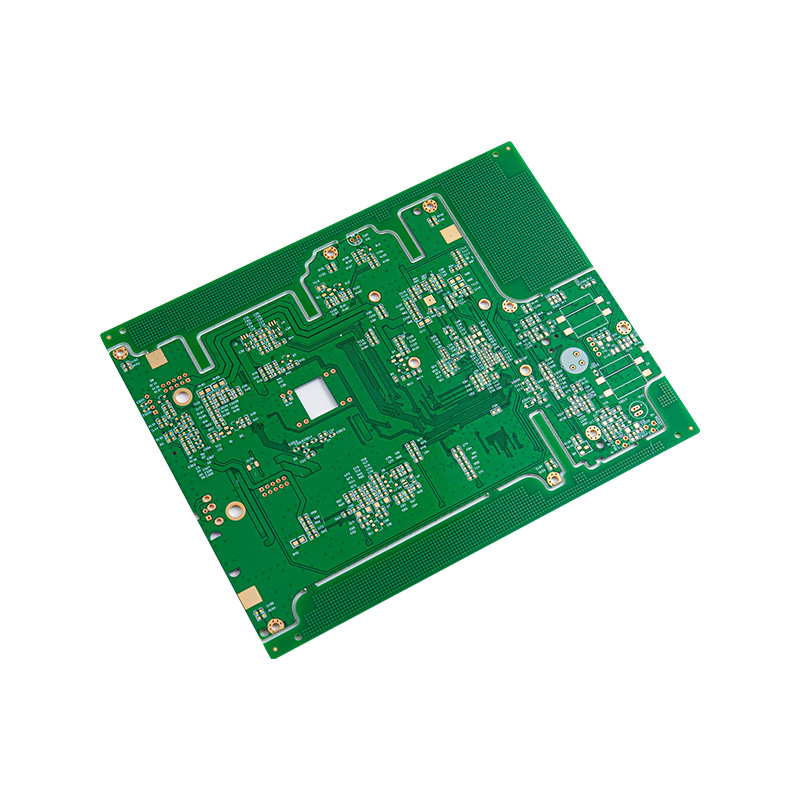
Multilayer FR4 construction — stacking multiple copper and FR4 dielectric layers bonded together — allows significantly higher circuit density than single or double-layer boards, since traces can route across multiple internal layers rather than being confined to just the top and bottom surfaces. Multilayer FR4 is standard in modern computing, networking, and complex consumer electronics, where component density and signal routing complexity would be impossible to achieve on a simpler double-layer board, while remaining considerably more cost-effective at scale than shifting to a specialty high-frequency substrate for boards that don't actually require that level of electrical performance.

 LET'S CREATE THE FUTURE TOGETHER

Contact Us Anytime
Copyright © Anhui Hongxin Electronic Technology Co., Ltd. All Rights
Reserved.
privacy
Wholesale Printed Circuit Board Suppliers, Manufacturers

