


 English
  Español
  Français
Professional Industry Report: The Strategic Role of Double-Sided PCBs in Modern Electronics
Content
- 1 Introduction to Double-Sided PCB Architecture
- 2 Technical Comparison: Single-Sided vs. Double-Sided vs. Multilayer
- 3 The Core Manufacturing Process: Plated Through Hole (PTH)
- 4 Material Specifications and Selection Criteria
- 5 Strategic Applications in Industrial and Automotive Sectors
- 6 Design Considerations for Reliability
- 7 Quality Control and Inspection Standards
- 8 Cost Optimization for High-Volume Production
- 9 Conclusion
- 10 Frequently Asked Questions (FAQ)
- 11 References
Introduction to Double-Sided PCB Architecture
In the hierarchy of printed circuit board (PCB) design, the double-sided PCB, also referred to as a 2-layer PCB, serves as the most critical bridge between rudimentary single-layer boards and high-density multilayer systems. Unlike single-sided boards that feature conductive paths on only one surface, double-sided versions utilize both the top and bottom layers of the dielectric substrate.
The defining characteristic of a double-sided board is the interconnection between these two layers, achieved through a process known as hole metallization. This architecture allows for a significantly higher component density and more complex circuit routing within the same physical footprint. For international procurement managers and engineers, understanding the nuances of this technology is essential for balancing performance requirements with production costs.
Technical Comparison: Single-Sided vs. Double-Sided vs. Multilayer
When evaluating the feasibility of a project, the choice of PCB layer count is often the first technical hurdle. Each type offers distinct mechanical and electrical properties.
Single-Sided PCBs: These are the simplest forms of circuitry, where all components and traces are on one side. While cost-effective, they are limited by the physical space available for routing. If traces cross, a physical “jumper” wire is required, which complicates assembly and reduces reliability.
Double-Sided PCBs:
By providing two conductive surfaces, these boards eliminate the need for jumpers. Designers can place complex integrated circuits on the top layer and power management components or passive elements on the bottom. The use of Plated Through Holes (PTH) allows signals to transition seamlessly between layers.
Multilayer PCBs (4+ Layers):
These boards consist of three or more conductive layers separated by prepreg and core materials. While they offer superior EMI shielding and signal integrity for high-speed applications like servers or smartphones, their manufacturing complexity and cost are substantially higher than double-sided alternatives.
| Feature | Single-Sided PCB | Double-Sided PCB | Multilayer PCB (4-8 Layers) |
|---|---|---|---|
| Circuit Density | Low | Medium to High | Very High |
| Design Complexity | Simple | Intermediate | Complex |
| Manufacturing Time | Fast | Standard | Long |
| Cost Per Unit | Lowest | Balanced | High |
| Signal Integrity | Basic | Good | Excellent |
| Common Use | Power adapters, LED toys | Industrial controls, UPS | Smartphones, Data centers |
The Core Manufacturing Process: Plated Through Hole (PTH)
The reliability of a double-sided PCB depends almost entirely on the quality of its vias. In a 2-layer construction, the process begins with a base material, typically FR-4 (Flame Retardant 4), which is a glass-reinforced epoxy laminate with copper foil bonded to both sides.
- Drilling: High-precision CNC machines drill holes through the substrate at specified locations. These holes serve as the future channels for electrical connectivity.
- Desmearing: The heat from drilling can melt the resin in the FR-4, leaving a “smear” on the copper inner walls. Chemical desmearing ensures the hole walls are clean for plating.
- Electroless Copper Deposition: A very thin layer of copper is chemically deposited onto the non-conductive walls of the drilled holes. This creates the initial conductive path.
- Electroplating: To reach the required thickness (typically 20-25 microns), the board undergoes electrolytic plating. This reinforces the hole walls and the surface traces.
- Etching: The circuit pattern is transferred to the board using a photoresist. Unwanted copper is etched away, leaving the intended circuit design on both sides.
Material Specifications and Selection Criteria
The performance of a double-sided PCB is influenced by the physical properties of the substrate and the copper cladding. Procurement teams must specify these parameters clearly to ensure the final product meets the application’s environmental demands.
- Substrate Material (TG Value): The Glass Transition Temperature (TG) indicates the point at which the base material begins to soften. Standard FR-4 typically has a TG of 130-140°C. For industrial or automotive applications, High-TG FR-4 (170°C or above) is preferred to withstand thermal cycling.
- Copper Thickness: Measured in ounces (oz) per square foot. 1oz (35μm) is the industry standard for signal layers. However, power-heavy double-sided boards may require 2oz or 3oz copper to handle higher currents without overheating.
- Surface Finish: This protects the exposed copper from oxidation and ensures solderability. Options include:
- HASL (Hot Air Solder Leveling): Cost-effective but provides an uneven surface, not ideal for fine-pitch components.
- ENIG (Electroless Nickel Immersion Gold): Offers a flat surface and excellent shelf life, though at a higher cost.
- OSP (Organic Solderability Preservatives): Environmentally friendly and low cost, but sensitive to handling.
Strategic Applications in Industrial and Automotive Sectors
Double-sided PCBs remain the “workhorse” of the electronics industry due to their versatility. While high-end consumer tech has moved toward multilayer and HDI (High-Density Interconnect) boards, the following sectors rely heavily on 2-layer technology:
1. Industrial Control Systems:
In factory automation, reliability and ease of repair are paramount. Double-sided boards are used in PLC (Programmable Logic Controller) modules, motor drives, and sensor interfaces. Their relative simplicity compared to multilayer boards makes them less prone to delamination under vibration.
2. Automotive Electronics:
Modern vehicles utilize dozens of electronic control units (ECUs). For non-critical systems like dashboard displays, interior lighting controllers, and climate control, double-sided PCBs provide the necessary durability at a manageable price point.
3. Power Conversion and UPS:
Because double-sided boards can accommodate thicker copper traces more easily than dense multilayer boards, they are ideal for power supplies, converters, and battery management systems where thermal management is a primary concern.
Design Considerations for Reliability
To avoid manufacturing defects, engineers must adhere to specific Design for Manufacturing (DFM) guidelines. For double-sided boards, the most common issues arise from via placement and trace routing.
- Via Aspect Ratio: The ratio of the board thickness to the diameter of the smallest hole. A standard 1.6mm board with 0.3mm holes has an aspect ratio of roughly 5:1. High aspect ratios (above 8:1) make plating difficult and can lead to via failure.
- Solder Mask Registration: Ensuring the solder mask does not overlap with the component pads is crucial. Standard tolerances are usually around ±0.076mm.
- Trace Width and Spacing: To prevent short circuits during the etching process, minimum trace widths and clearances (typically 4-6 mils for standard production) must be maintained.
Quality Control and Inspection Standards
For global exporters, adhering to international standards is the only way to guarantee acceptance in markets like Europe and North America.
- IPC-A-600: This is the primary standard for the “Acceptability of Printed Boards.” It defines the visual criteria for board quality, including copper plating thickness, hole registration, and surface finish integrity.
- UL Certification: The Underwriters Laboratories (UL) mark is essential for safety, indicating that the PCB materials meet specific flammability (UL 94V-0) and electrical safety requirements.
- RoHS Compliance: Ensuring that the board is free from hazardous substances like lead, mercury, and cadmium is mandatory for most modern electronic products.
| Inspection Item | Method | Acceptance Standard |
|---|---|---|
| Hole Wall Copper | Micro-sectioning | Minimum 20μm (Class 2) |
| Adhesion Test | 3M Tape Test | No peeling of solder mask or plating |
| Solderability | Dip and Look | 95% coverage after 5 seconds |
| Electrical Test | Flying Probe / Bed of Nails | 100% continuity and isolation |
Cost Optimization for High-Volume Production
Reducing the cost of double-sided PCBs without compromising quality is a key objective for procurement departments. Several factors can be optimized:
- Panelization: Designing the board size to maximize the number of units per standard production panel (e.g., 18x24 inches). Reducing waste material directly lowers the unit cost.
- Standardizing Holes: Minimizing the number of different drill sizes used on a single board reduces the time the CNC machine spends changing tools.
- Material Substitution: Unless high temperatures are expected, using standard TG FR-4 instead of specialized laminates can save 10-15% in material costs.
Conclusion
The double-sided PCB remains a fundamental technology in the global electronics supply chain. Its ability to support complex circuit designs while maintaining a relatively simple and cost-effective manufacturing process makes it indispensable for industrial, automotive, and power applications. By focusing on robust PTH processes, proper material selection, and strict adherence to IPC standards, manufacturers can deliver high-reliability components that meet the rigorous demands of the international market.
Frequently Asked Questions (FAQ)
1. What is the maximum thickness of copper available for a double-sided PCB?
While 1oz (35μm) is standard, most professional manufacturers can support up to 3oz or 4oz copper for double-sided boards used in high-power applications. However, thicker copper requires wider trace spacing to ensure successful etching.
2. Can double-sided PCBs support Surface Mount Technology (SMT)?
Yes, double-sided PCBs are perfectly suited for SMT. Components can be mounted on both the top and bottom layers, which is one of the primary reasons they are chosen over single-sided boards to save space.
3. What is the standard turnaround time for a double-sided PCB production run?
For standard specifications, prototypes can be produced in 24-48 hours. Mass production orders typically require 7 to 10 working days, depending on the surface finish and volume.
4. Why is FR-4 the most common material for these boards?
FR-4 provides an excellent balance of cost, mechanical strength, and electrical insulation. It is flame-retardant and has low moisture absorption, making it reliable for a wide range of operating environments.
5. How are the two layers of a double-sided PCB connected?
The layers are connected through “vias,” which are holes drilled through the board that have been copper-plated on the inside. This plating creates a conductive bridge that allows signals and power to flow between the top and bottom copper layers.
References
- IPC-A-600K: Acceptability of Printed Boards, Association Connecting Electronics Industries.
- Printed Circuits Handbook, 7th Edition, Clyde Coombs and Happy Holden.
- Standard for Safety for Tests for Flammability of Plastic Materials for Parts in Devices and Appliances, UL 94.
- Electronic Materials and Processes Handbook, Charles A. Harper.
Recommended Products
-
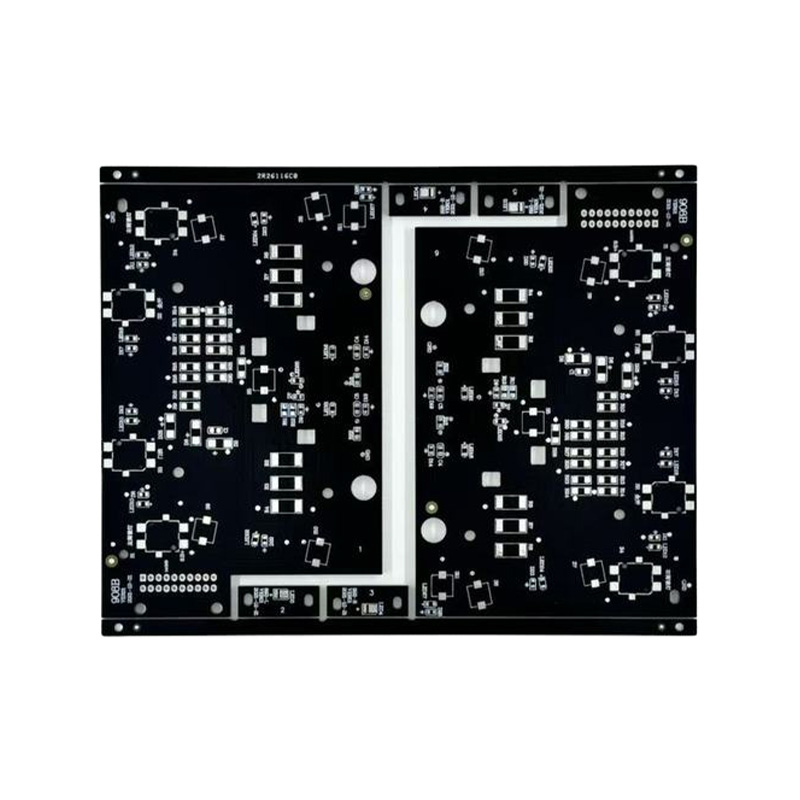

Double-Sided Black Lead-Free Tin Plating Board
-
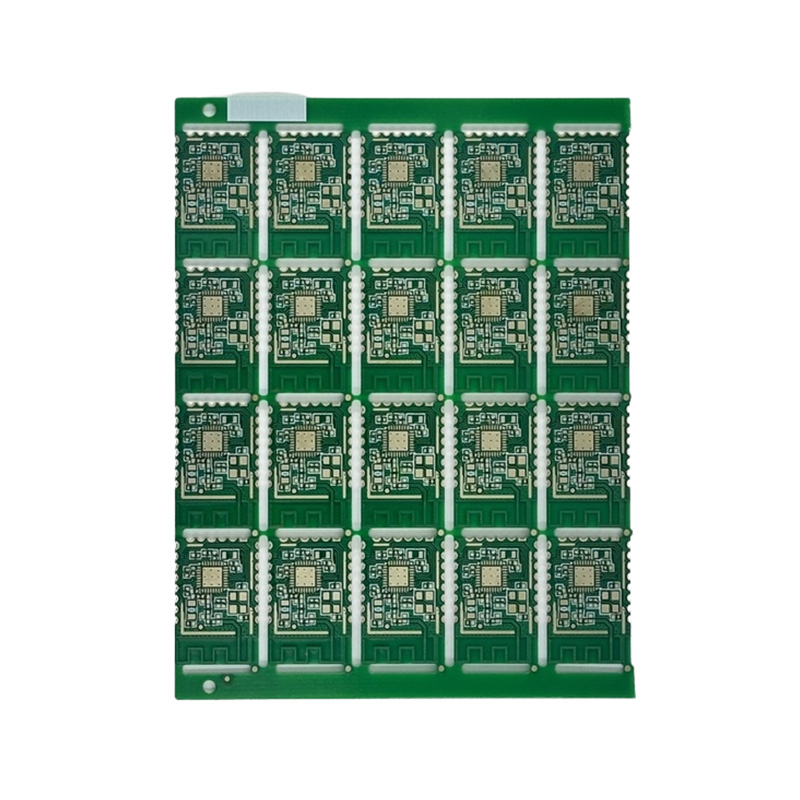
Double-Sided Green Lead-Free Tin-Plated Semi-Through Board
-
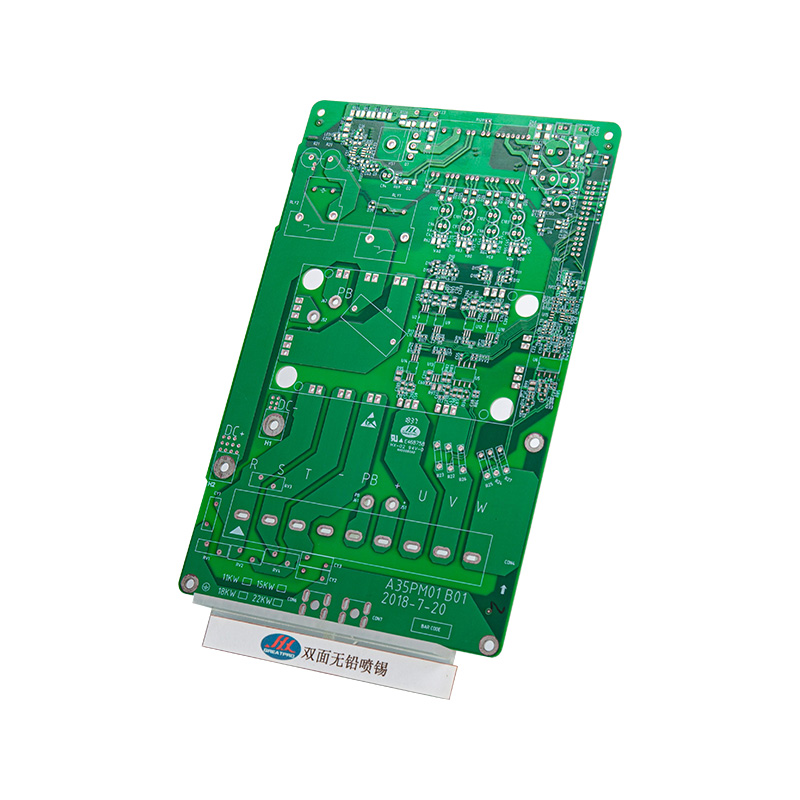
Double-Sided Green Lead-Free Soldered PCB For Power & Automotive Electronics
-
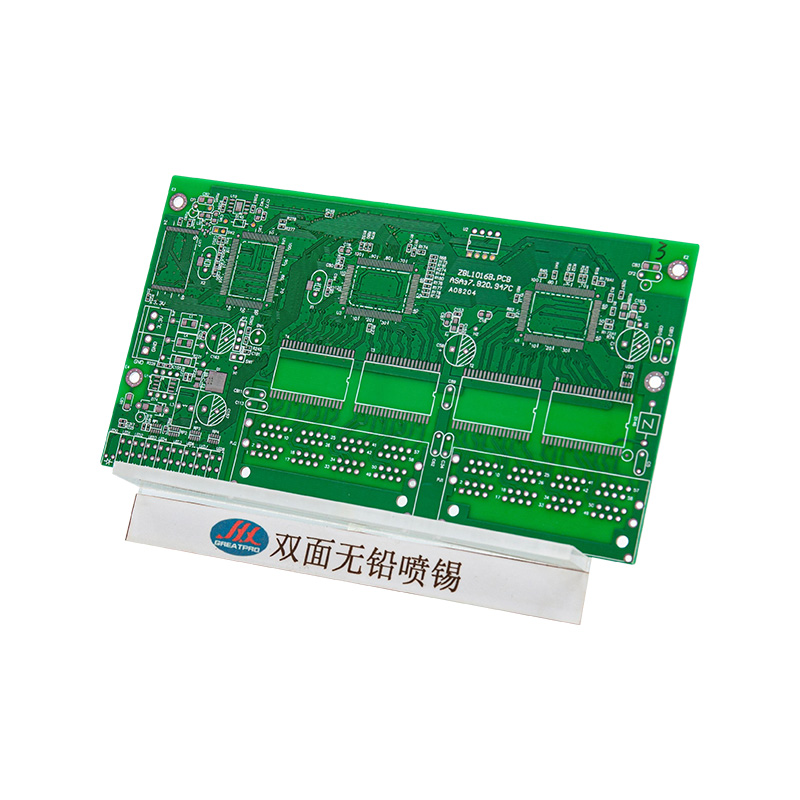
Double-Sided Green Lead-Free Tin-Plated Board
-
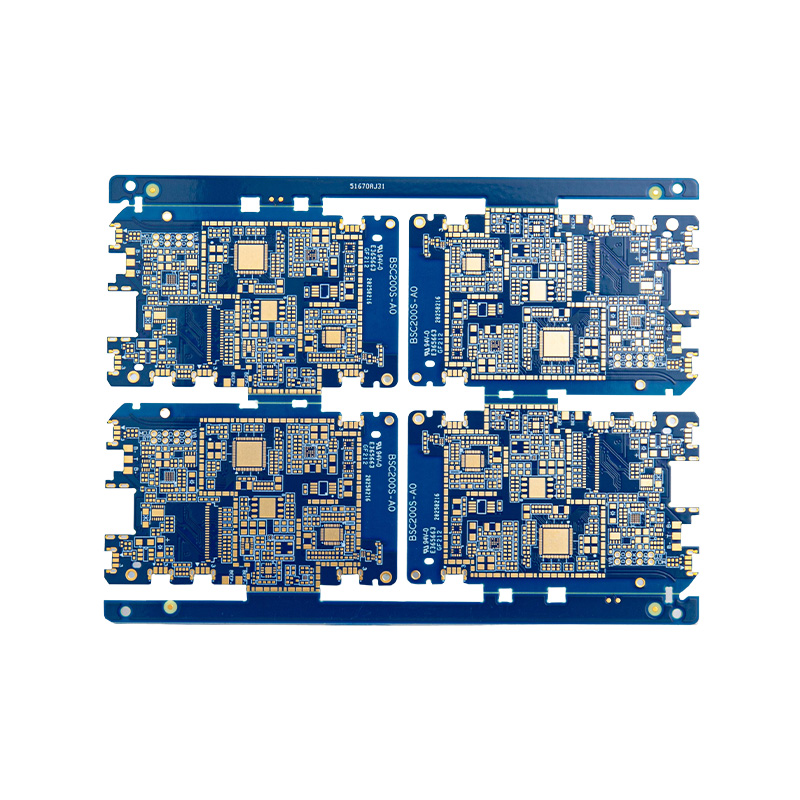
Double-Sided Blue Gold Plating PCB
-
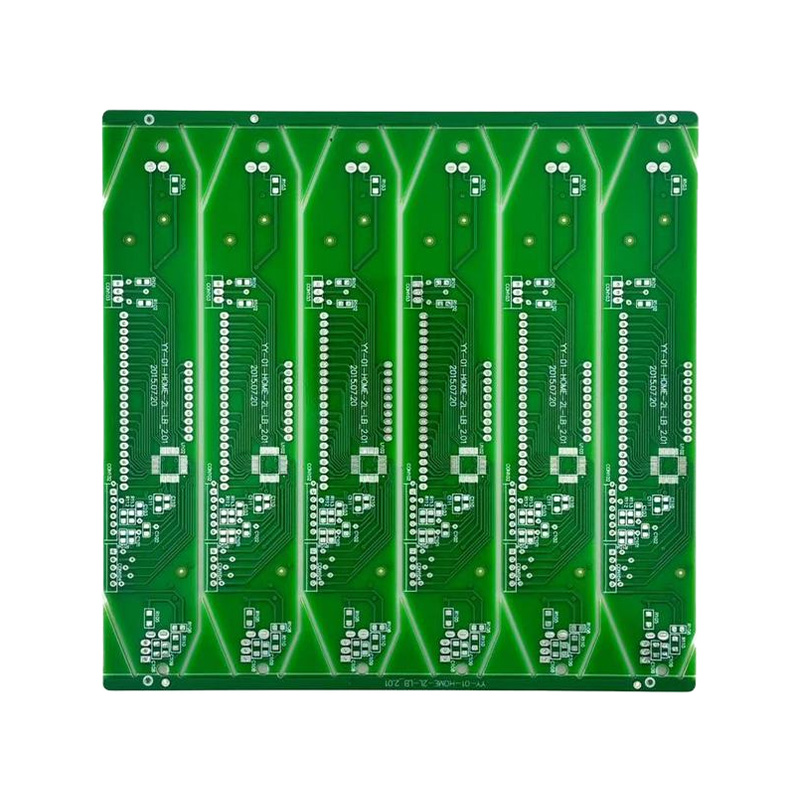
Double-Sided Green Lead-Free Soldered Board
 LET'S CREATE THE FUTURE TOGETHER

Contact Us Anytime
Copyright © Anhui Hongxin Electronic Technology Co., Ltd. All Rights
Reserved.
privacy
Wholesale Printed Circuit Board Suppliers, Manufacturers

