


 English
  Español
  Français
How Do PCB Metal Substrates Enhance Thermal Management in Power Electronics?
The evolution of printed circuit boards (PCBs) has significantly shaped the landscape of modern electronics, especially with the growing demand for higher performance and efficiency. Among the various types of PCBs, metal substrate PCBs, also known as MCPCBs, have gained prominence due to their outstanding thermal management capabilities. This type of PCB is crucial for ensuring the reliable performance of electronic components in demanding applications.
In the early days of PCB development, the primary focus was on electrical functionality. However, as technology advanced, the need for better heat dissipation and the ability to handle higher power loads became more important. Metal core PCBs were developed as a solution to these issues, offering superior thermal conductivity compared to traditional FR4 PCBs. They have become especially important in industries such as LED lighting, power electronics, and automotive electronics, where managing heat is critical to the longevity and efficiency of devices.
Content
What is PCB Metal Substrate (MCPCB)?
PCB metal substrates, often referred to as metal core PCBs (MCPCBs), are a specialized type of printed circuit board designed to address thermal management challenges. Unlike traditional FR4 PCBs, which rely solely on fiberglass for insulation and support, metal substrates incorporate a metal layer—usually aluminum or copper—beneath the insulating layer. This metal core provides superior heat dissipation, allowing these PCBs to handle high-power applications more effectively.
At the core of a metal substrate PCB is a thin layer of metal, which acts as both a heat sink and a structural base. The metal core is often bonded with an insulating layer that provides electrical isolation between the metal substrate and the rest of the PCB. The top layer of the PCB, typically composed of copper, serves as the conductive layer for electrical connections.
The most common materials used for metal substrates are aluminum and copper. Each has distinct advantages and applications:
-
Aluminum PCBs: These are widely used in LED lighting, automotive applications, and consumer electronics due to their balance between cost and thermal performance. Aluminum provides good heat dissipation properties and is relatively inexpensive, making it a popular choice for a variety of applications.
-
Copper PCBs: Known for their excellent thermal conductivity, copper-based PCBs are used in high-power applications, including power electronics, electric vehicle systems, and industrial machinery. Copper’s superior thermal properties make it ideal for handling larger amounts of heat, although it is more expensive than aluminum.
Types of Metal Substrate PCBs: Comparison and Applications
There are several different types of metal substrates, each designed to meet specific needs in thermal management. The two most common types are aluminum-based PCBs and copper-based PCBs. However, other metal materials like steel and nickel may also be used for specialized applications. Below, we will compare these types of PCBs and examine the unique advantages and applications of each.
Aluminum-Based PCBs
Aluminum PCBs are the most commonly used type of metal substrate. They are cost-effective, easy to manufacture, and offer good heat dissipation capabilities. The typical structure of an aluminum PCB includes an aluminum base, an insulating layer, and a copper layer for electrical connections.
Advantages:
- Cost-Effective: Aluminum is relatively inexpensive compared to other metals like copper, making aluminum PCBs a more affordable option for many applications.
- Good Thermal Performance: Aluminum offers moderate thermal conductivity, making it suitable for applications where heat dissipation is important but not necessarily at the highest level.
- Lightweight: Aluminum-based PCBs are lighter than other metal substrates, which is beneficial for products like LED lighting and consumer electronics where weight is a concern.
Applications:
- LED Lighting: Aluminum PCBs are commonly used in LED lighting systems, where heat dissipation is crucial to prevent overheating and improve the lifespan of the LEDs.
- Automotive Electronics: Aluminum-based PCBs are used in automotive applications, including lighting systems, sensors, and control units, where both performance and cost efficiency are important.
- Consumer Electronics: In products such as smartphones and laptops, aluminum PCBs are used to manage heat from processors and power components.
Copper-Based PCBs
Copper-based PCBs are used in applications where higher thermal conductivity is required. Copper provides exceptional heat dissipation properties, making it the preferred material for high-power applications.
Advantages:
- Superior Thermal Conductivity: Copper is known for its excellent thermal conductivity, allowing for superior heat management in high-power devices.
- Durability: Copper is highly durable and can withstand higher temperatures and power loads, making it suitable for demanding environments.
- Efficient Heat Dissipation: Copper PCBs can handle high heat loads, ensuring that electronic components remain cool and functional even under intense power requirements.
Applications:
- Power Electronics: Copper-based PCBs are widely used in power converters, motor controllers, and other high-power applications where heat dissipation is critical.
- Electric Vehicles: In electric vehicle battery management systems, power electronics, and charging units, copper PCBs help ensure that the system stays within safe temperature limits.
- Industrial Electronics: High-power industrial machinery and equipment often rely on copper-based PCBs to maintain performance and prevent overheating.
The Critical Role of PCB Metal Substrates in Thermal Management
The increasing complexity of electronic devices, particularly in high-performance and power-intensive applications, has made efficient thermal management more important than ever. As processors and power devices become smaller yet more powerful, the amount of heat they generate also increases. This is where PCB metal substrates, with their superior thermal properties, play a critical role in preventing overheating and ensuring the longevity and reliability of electronic devices.
Thermal Management in High-Power Devices
In high-power applications, such as electric vehicles (EVs), power converters, and industrial machinery, the amount of heat generated can be immense. These systems often require continuous operation at high power levels, which can result in thermal buildup if not managed properly. Metal-based PCBs are designed to handle such high heat loads and ensure that the temperature of critical components remains within safe limits.
Aluminum and copper are both excellent at conducting heat away from components, but copper’s superior thermal conductivity makes it ideal for applications where extreme heat dissipation is necessary. Copper-based PCBs are used in power electronics, high-power processors, and other devices that require robust heat management.
Heat Dissipation Mechanism:
The primary function of PCB metal substrates is to provide a pathway for heat to travel away from sensitive components. This is achieved by using metals like aluminum and copper, which can transfer heat away from the components to the surrounding environment. This process helps maintain the device’s temperature within optimal operating ranges, improving performance, reliability, and lifespan.
Applications of PCB Metal Substrates in Various Industries
PCB metal substrates have become a critical component in several industries, especially where managing heat is essential to device performance and longevity. Below, we’ll explore the key applications of PCB metal substrates in LED lighting, automotive electronics, power electronics, and more.
PCB Metal Substrates in LED Lighting
LED lighting is one of the most prominent applications for PCB metal substrates, particularly aluminum-based PCBs. As LED technology has evolved, the need for more efficient thermal management solutions has become crucial. LEDs are highly sensitive to temperature, and prolonged exposure to heat can significantly shorten their lifespan and reduce their efficiency.
Why Aluminum PCBs Are Preferred for LED Lighting:
- Efficient Heat Dissipation: Aluminum provides a good balance between cost and thermal conductivity. It ensures that the heat generated by the LEDs is quickly transferred away, preventing overheating and improving the lifespan of the components.
- Lightweight Design: For lighting systems, particularly those in residential and commercial settings, lightweight designs are crucial. Aluminum PCBs help reduce the overall weight of LED modules, making them easier to install and handle.
- Cost-Effective: While copper offers superior thermal conductivity, the higher cost can make aluminum a more viable option for cost-sensitive applications like general LED lighting.
Applications:
- Street and Outdoor Lighting: Many outdoor lighting systems use aluminum PCB-based LEDs due to their durability and heat-dissipating properties.
- Interior LED Lighting: In applications like office and home lighting, aluminum PCBs provide efficient heat management, enhancing the reliability of LEDs.
Aluminum vs. Copper PCBs: A Comparative Analysis
When choosing a PCB metal substrate for a specific application, the material of the base metal plays a pivotal role in determining performance, cost, and efficiency. Both aluminum and copper have their unique advantages, and the selection between them largely depends on the specific needs of the application. Below is a detailed comparison between aluminum and copper-based PCBs.
Aluminum PCBs: Advantages and Limitations
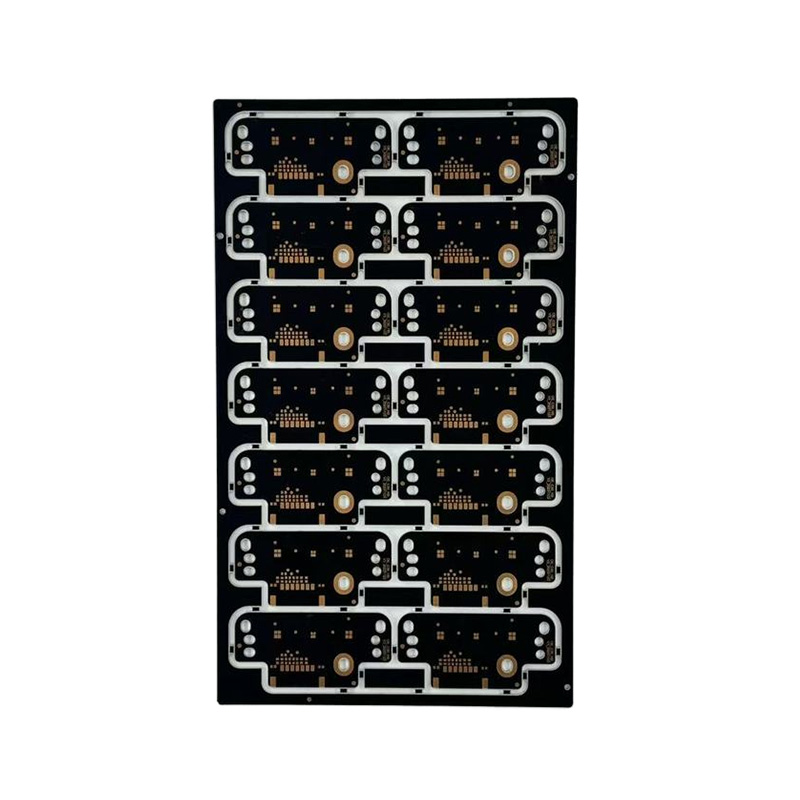
Advantages:
-
Cost-Effective: Aluminum is generally more affordable than copper, making it a preferred choice for mass-market applications like LED lighting.
-
Moderate Thermal Conductivity: In applications that require moderate heat dissipation, aluminum provides sufficient performance.
-
Light Weight: Aluminum is lighter than copper, making it ideal for applications where weight is a concern, such as in consumer electronics and automotive lighting.
Limitations:
- Lower Thermal Conductivity: In applications that require extremely high heat dissipation, aluminum may not provide the best performance compared to copper.
- Not Suitable for High-Power Electronics: Aluminum PCBs may not be able to handle the heat generated by high-power components, such as those found in power electronics and electric vehicles.
Copper PCBs: Advantages and Limitations
Advantages:
- Superior Thermal Conductivity: Copper has the highest thermal conductivity of any material used in PCBs, making it ideal for high-power and heat-intensive applications.
- Durability: Copper is highly durable and can withstand higher thermal and mechanical stresses, which is critical in industrial and power electronics.
- Efficiency in High-Power Applications: Copper’s excellent thermal properties allow it to manage heat more efficiently, preventing thermal runaway and improving the performance of high-power devices.
Limitations:
- Higher Cost: Copper is significantly more expensive than aluminum, making copper-based PCBs less cost-effective for certain applications, especially those in the consumer electronics sector.
- Weight: Copper is heavier than aluminum, which may be a disadvantage in applications where lightweight materials are required.
Comparison of Aluminum vs. Copper PCBs
| Feature | Aluminum PCBs | Copper PCBs |
|---|---|---|
| Thermal Conductivity | Moderate | Superior |
| Cost | Low | High |
| Weight | Lightweight | Heavier |
| Durability | Good | Excellent |
| Applications | LED lighting, automotive electronics, consumer electronics | Power electronics, electric vehicles, industrial equipment |
| Heat Dissipation Efficiency | Good for moderate power applications | Best for high-power applications |
Conclusion
The role of PCB metal substrates in modern electronics cannot be overstated. As technology continues to evolve and the demand for more powerful and compact devices increases, the need for efficient thermal management will only grow. PCB metal substrates, particularly those made from aluminum and copper, offer a reliable solution to this challenge, providing excellent heat dissipation and ensuring that electronic devices remain functional and durable even in the most demanding applications.
Recommended Products
-
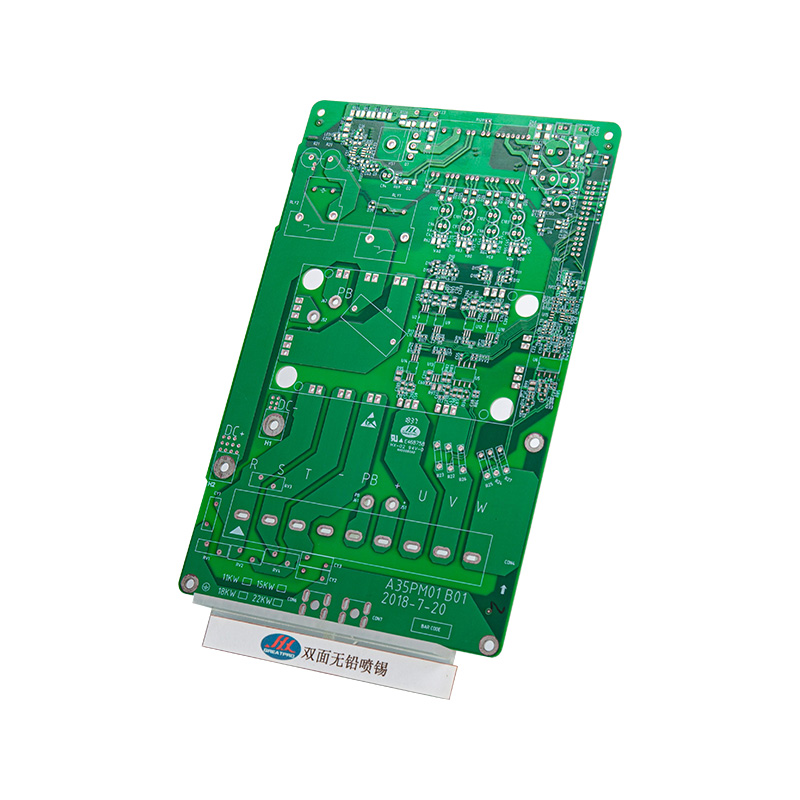

Double-Sided Green Lead-Free Soldered PCB For Power & Automotive Electronics
-
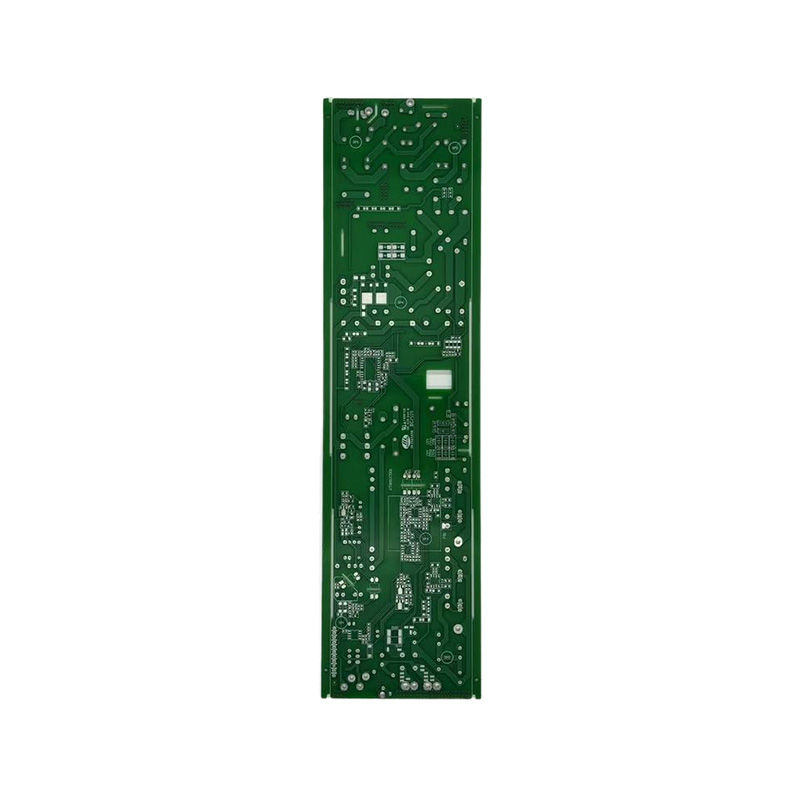
Double-Sided High-Power PCB
-
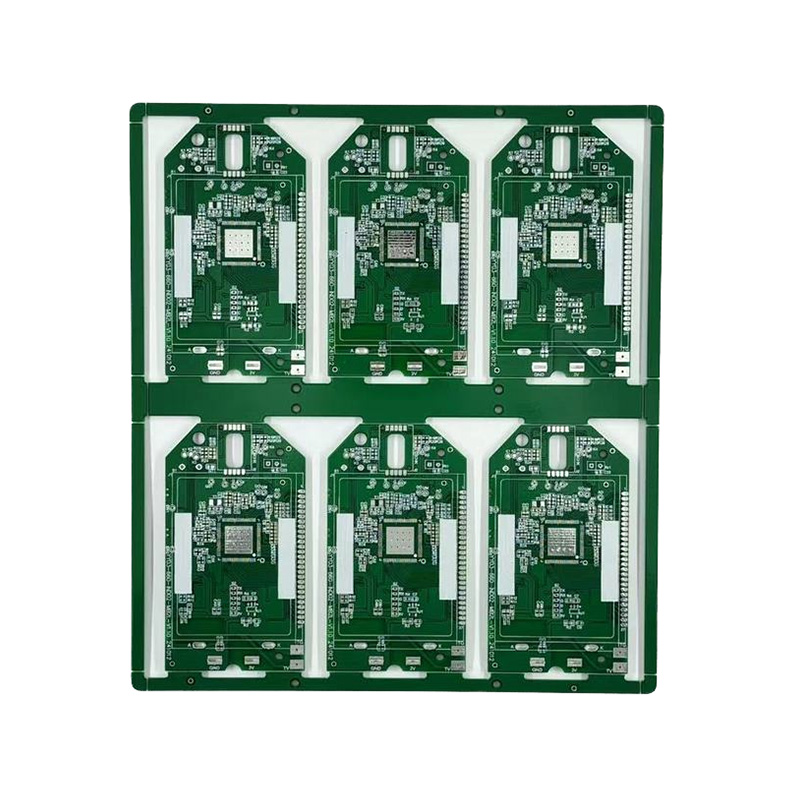
Double-Sided Lead-Free Soldered Green PCB With Enhanced Oxidation Resistance
-
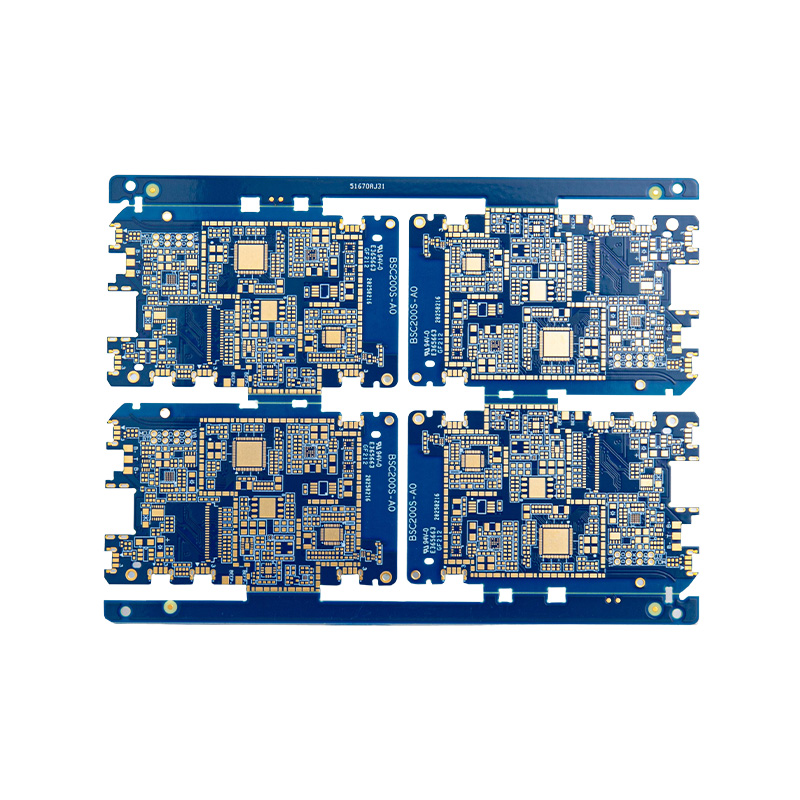
Double-Sided Blue Gold Plating PCB
-
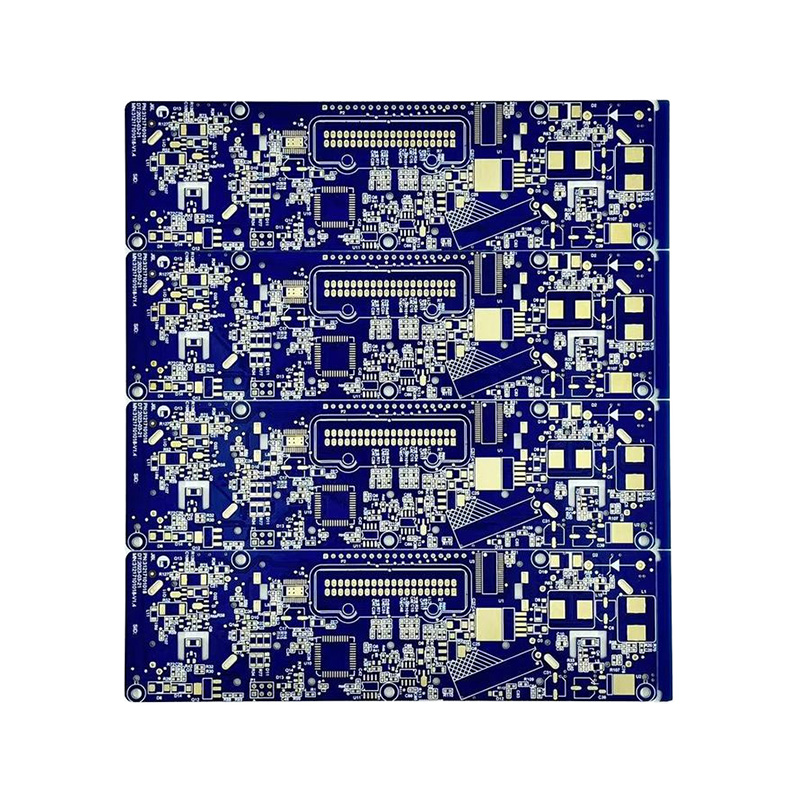
Double-Sided Gold-Plated PCB
-
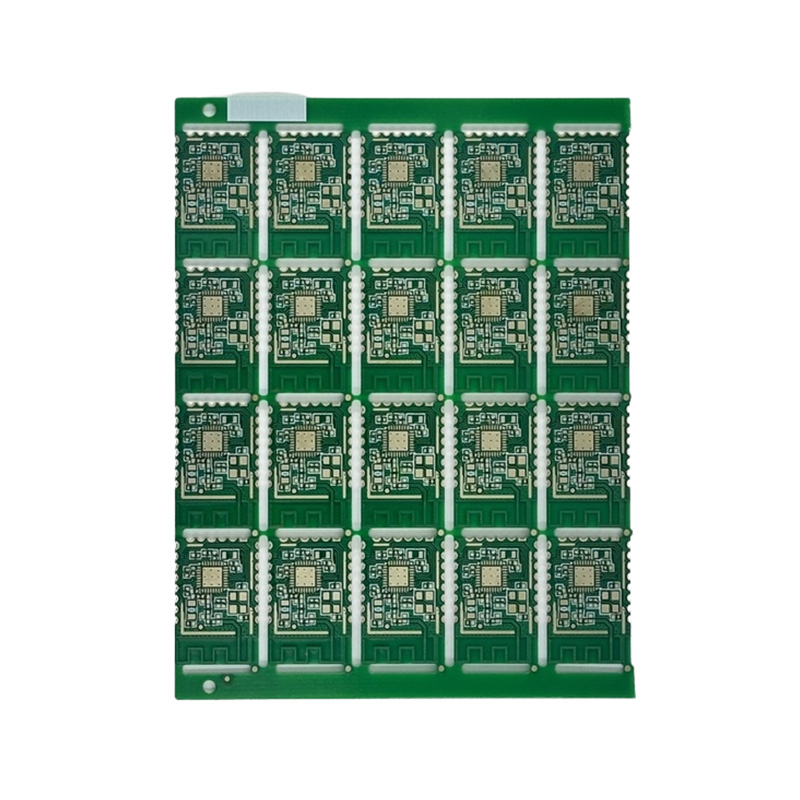
Double-Sided Green Lead-Free Tin-Plated Semi-Through Board
 LET'S CREATE THE FUTURE TOGETHER

Contact Us Anytime
Copyright © Anhui Hongxin Electronic Technology Co., Ltd. All Rights
Reserved.
privacy
Wholesale Printed Circuit Board Suppliers, Manufacturers

