


 English
 Español
 Français

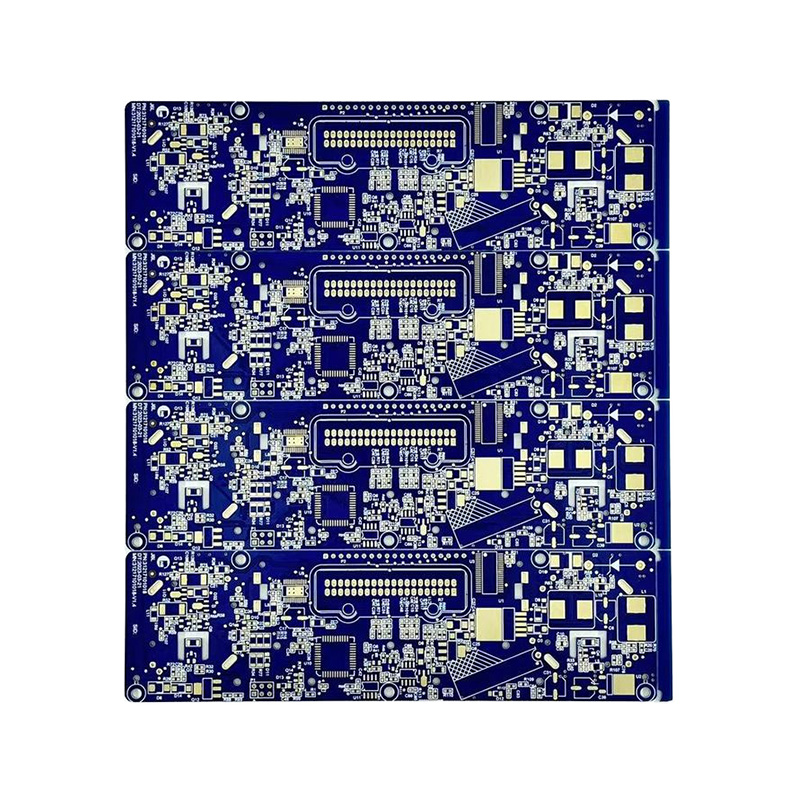
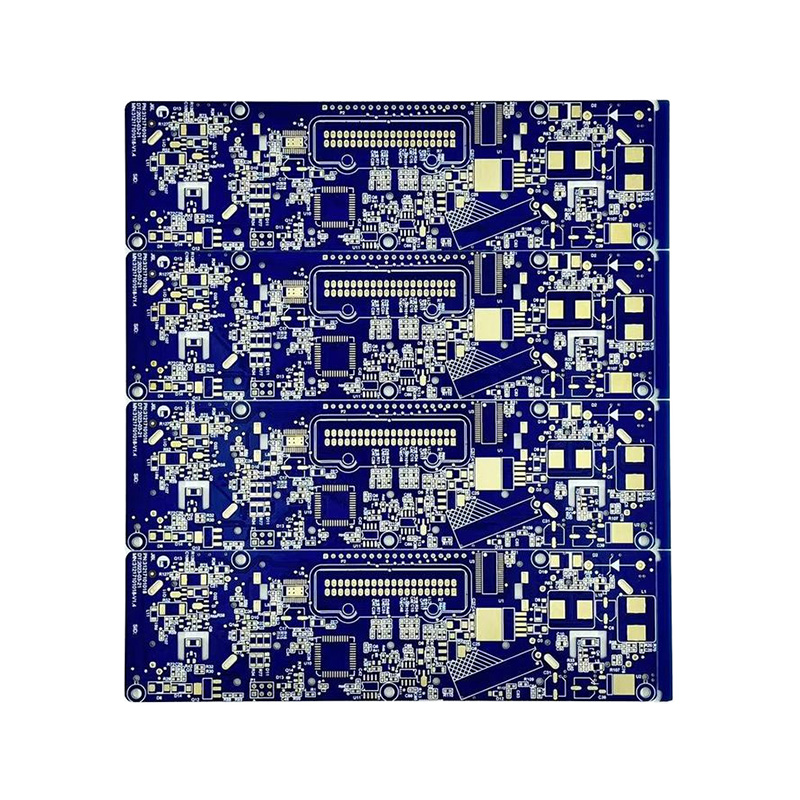
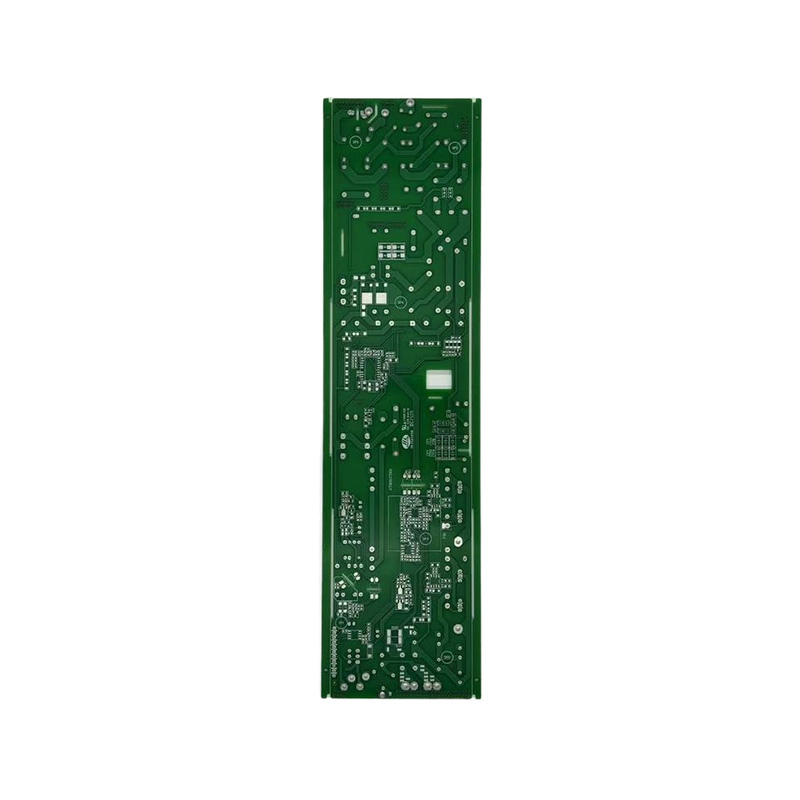
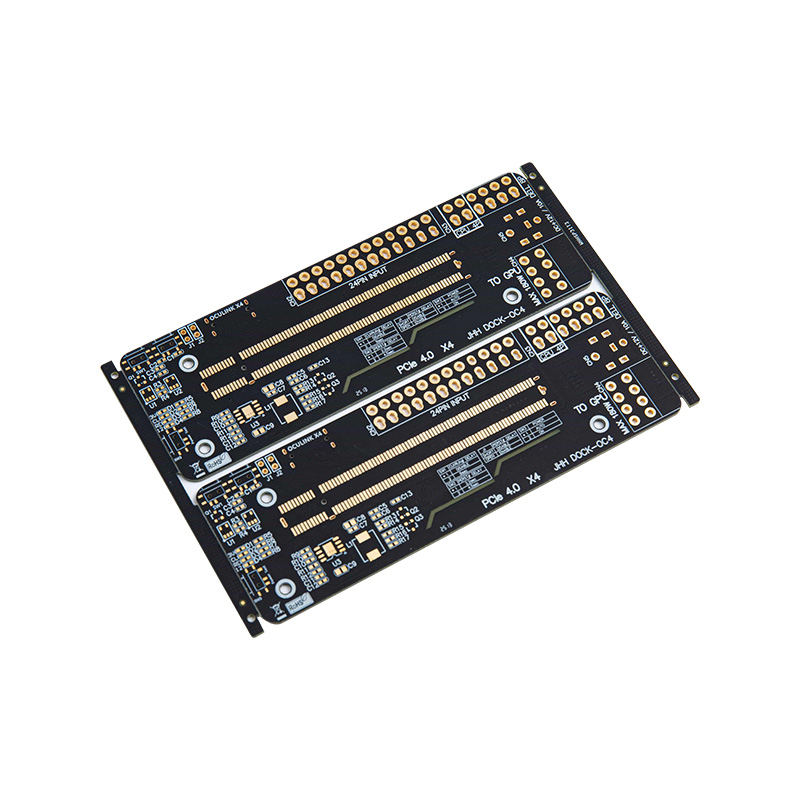
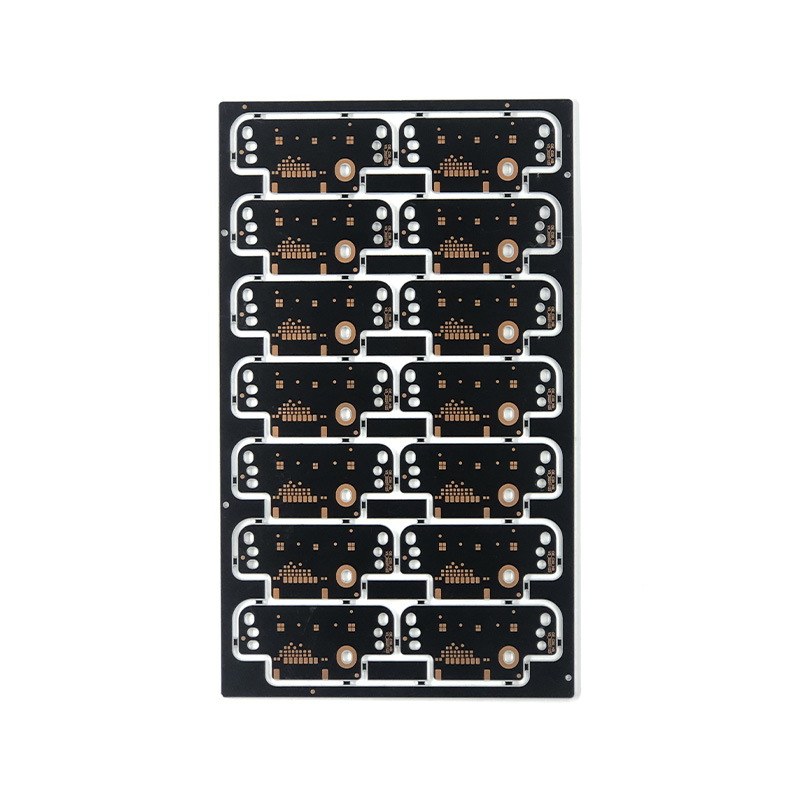
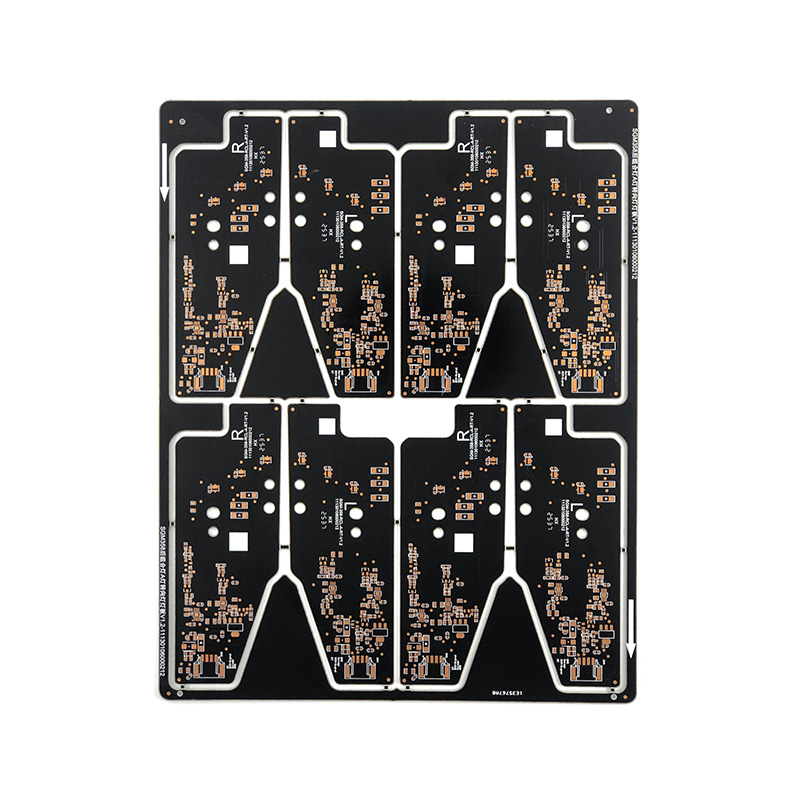
Double-Sided Gold-Plated PCB
Double-sided gold-plated PCBs utilize an electroless immersion gold (ENIG) process to create uniform gold and nickel layers on both sides of the PCB. This process combines excellent oxidation resistance, flatness, and solderability, making it particularly suitable for high-precision, high-reliability electronic devices. The gold-plated layer is wear-resistant and corrosion-resistant, making it suitable for multiple reflow soldering cycles and wire bonding. It is widely used in communications equipment, industrial control motherboards, medical equipment, and high-end consumer electronics. This process eliminates issues such as uneven tin spraying and the susceptibility of OSP to oxidation, while also supporting fine-pitch BGA and QFN packages, making it an ideal choice for high-performance PCBs.
- Specification
- About Hongxin
- Contact Us
|
Material |
FR-4 |
|
Supplier |
Shengyi |
|
Board Thickness |
1.6mm |
|
Finished Copper Thickness |
36µm |
|
Solder Mask |
Royal Blue |
|
Texture |
White |
|
Surface Treatment |
Gold |
|
Finished Dimensions |
199mm x 180mm |
|
Trace Width |
0.15mm |
|
Trace Spacing |
0.12mm |
|
Minimum Hole |
0.3mm |
Product Overview
Double-Sided Gold-Plated PCB, also known as double-sided ENIG PCB, applies electroless nickel immersion gold surface finish on both circuit sides of a 2-layer board. It provides anti-oxidation performance and flat pad surfaces. Substrate grade, nickel-gold thickness and assembly requirements shall be confirmed based on customer design and application environment.
Typical Applications
- Communication equipment
- Industrial control motherboards
- Medical electronic devices
- High-end consumer electronics
- Automotive auxiliary electronics
Key Features
- Excellent oxidation and corrosion resistance for long shelf-life before assembly
- Ultra-flat pad geometry suitable for fine-pitch BGA and QFN components
- Tolerates multiple cycles of SMT reflow soldering
- Supports wire-bonding process for high-reliability modules
- Avoids common drawbacks including uneven tin thickness from HASL-LF
FAQ
Q: What are the main differences between ENIG, HASL-LF and OSP?
A: ENIG provides ultra-flat pads and long anti-oxidation shelf-life. HASL-LF may bring uneven tin thickness, while OSP is cost-sensitive but prone to oxidation during long-time storage.
Anhui Hongxin Electronic Technology Co., Ltd. is located in the China PCB Industrial Park, Guangde Economic Development District, Anhui Province. Established in October 2013, our factory occupies 20,000 square meters and employs 110 staff members, including over 7 professional engineers with more than 15 years of experience. The company's PCB products include 1-32 layer boards, high-Tg boards, thick copper boards, rigid-flex boards, high-frequency boards, hybrid dielectric laminated boards, buried via boards, metal-based boards, and halogen-free boards. High-precision PCB rapid prototyping is available, with bulk orders for single- and double-sided boards delivered within 6-7 days, 4-8 layer boards within 9-20 days, 10-16 layer boards within 20-25 days, 16-32 layer boards within 25-45 days, HDI boards within 25 days, and double-sided prototyping deliverable as quickly as 24 hours. We are committed to providing high-quality products and professional services to global customers, and we have the capability to deliver both large quantities and small batches. The surface treatment processes of our products are complete. The base material types include FR-1, 22F, CEM-1, CEM-3, FR-4 (with high Tg, halogen-free, etc.), high-frequency boards, and metal substrates. All product types have passed ISO9001, ISO14001, ISO45001, IATF16949 international quality management system certifications, as well as UL safety certifications. Our sales network extends from inland areas to Southeast Asia, Europe, and America. In the fierce market competition, we have always received high praise from customers.


About
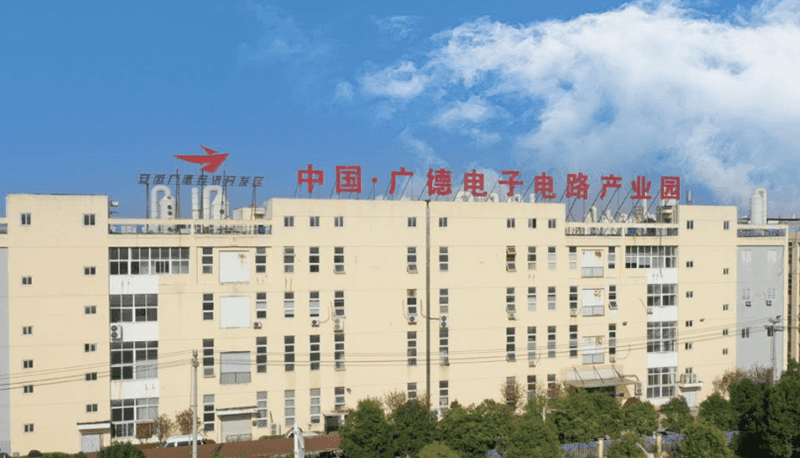
Anhui Hongxin Electronic Technology Co., Ltd.
Anhui Hongxin Electronic Technology Co., Ltd. is China Double-Sided Gold-Plated PCB Suppliers and Wholesale Double-Sided Gold-Plated PCB Factory. It is located in China P C B Industrial Park, Guangde Economic Development District, Anhui Province. Established in October 2 0 1 3, our factory occupied 8, 413 square meters and employs 110 staff members, including over 7 professional engineers with more than 15 years of experience. The company's P C B products include 1- 32 layer boards, high Tg boards, thick copper boards, rigid-flex boards, high- frequency boards, hybrid dielectric laminated boards, buried via boards, metal-based boards, and halogen- free boards. High-precision P C B rapid prototyping is available, with bulk orders for single and double -sided boards delivered within 6 - 7 days, 4 - 8 layer boards within 9 - 20 days, 10 - 16 layer boards within 20 - 25 days, 16 - 32 layer boards within 25 - 45 days, H D I boards within 25 days, and double- sided prototyping deliverable as quickly as 24 hours.
We are committed to providing high-quality products and professional services to global customers, and we have the capability to deliver orders of both large quantities and small batches. The surface treatment processes of our products are complete. The base material types include FR-1, 22F, CEM-1, CEM-3, FR-4 (with high Tg, halogen-free, etc.), high-frequency boards, and metal substrates. All product types have passed ISO9001, ISO14001, ISO45001, IATF16949 international quality management system certifications and UL safety certifications. Our sales network extends from inland areas to Southeast Asia and Europe and America. In the fierce market competition, we have always received high praise from customers.
Certificate Of Honour


 LET'S CREATE THE FUTURE TOGETHER

Contact Us Anytime
Copyright © Anhui Hongxin Electronic Technology Co., Ltd. All Rights
Reserved.
privacy
Wholesale Double-Sided Gold-Plated PCB Suppliers, Factory

Message
We are committed to providing high-quality products and professional services to global customers
