


 English
 Español
 Français

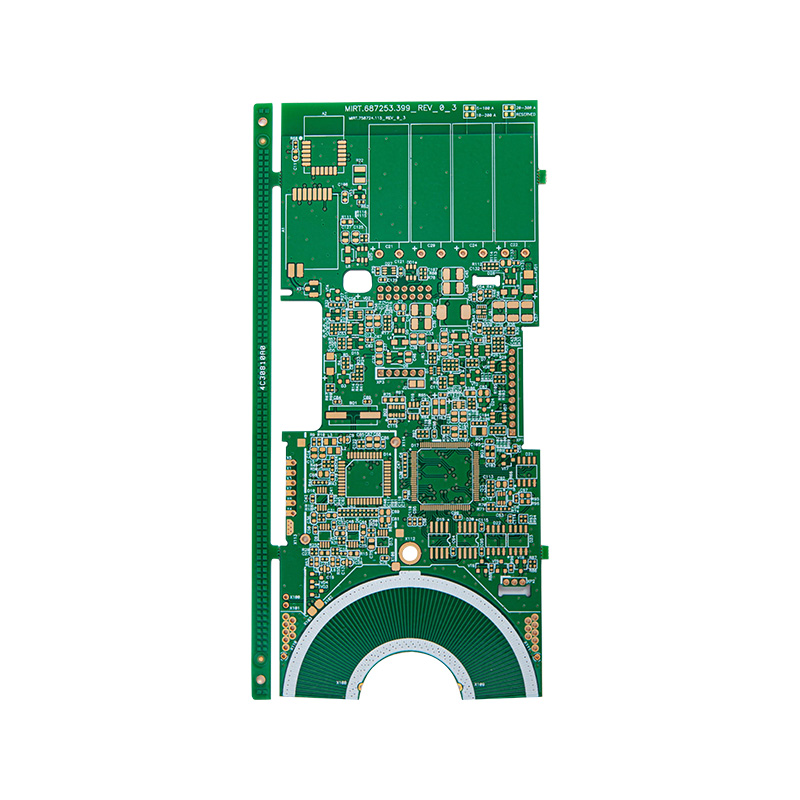
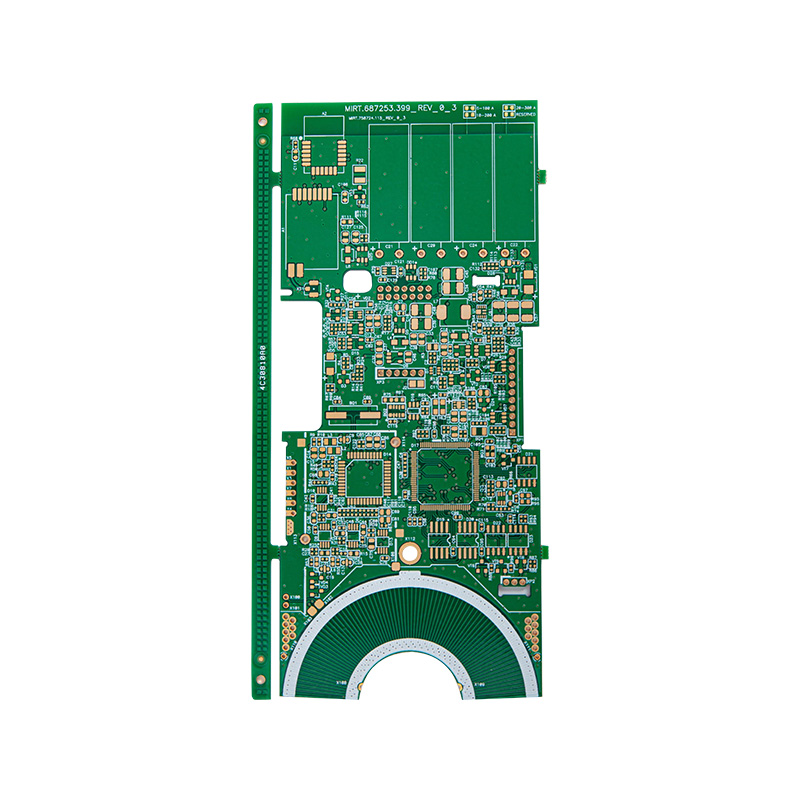
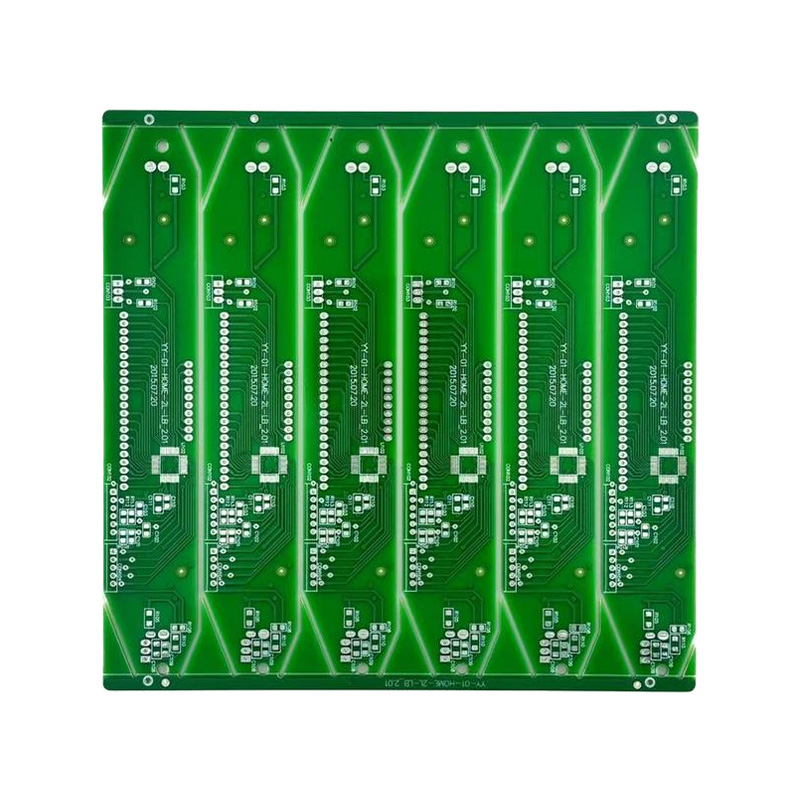
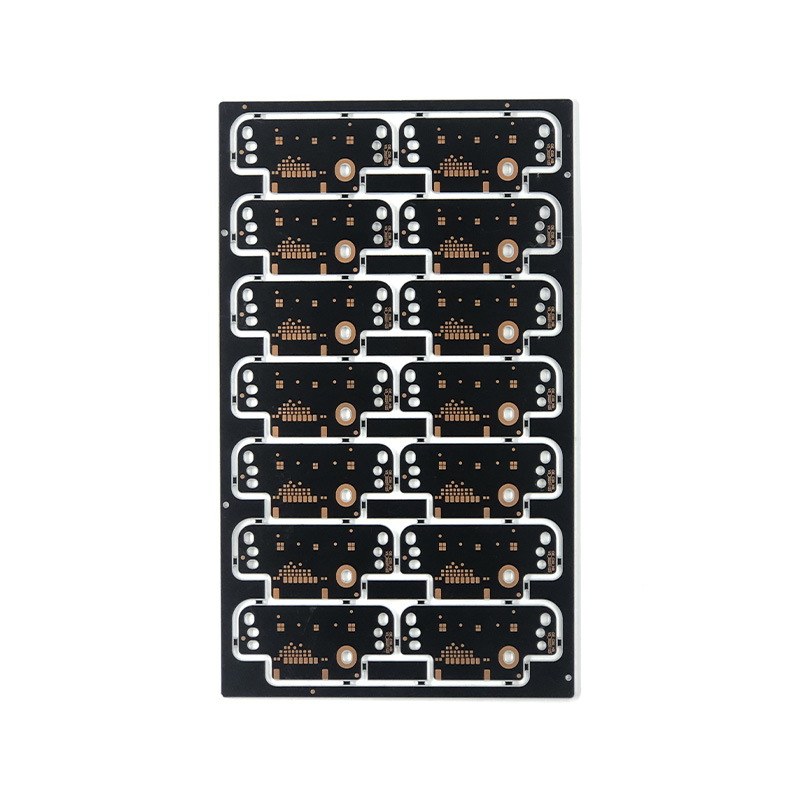
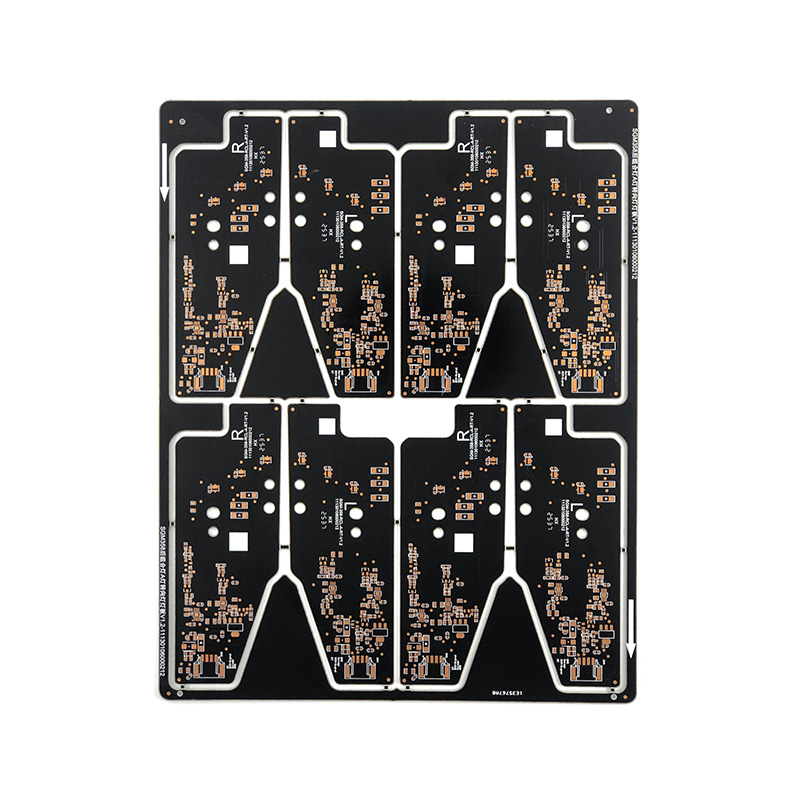
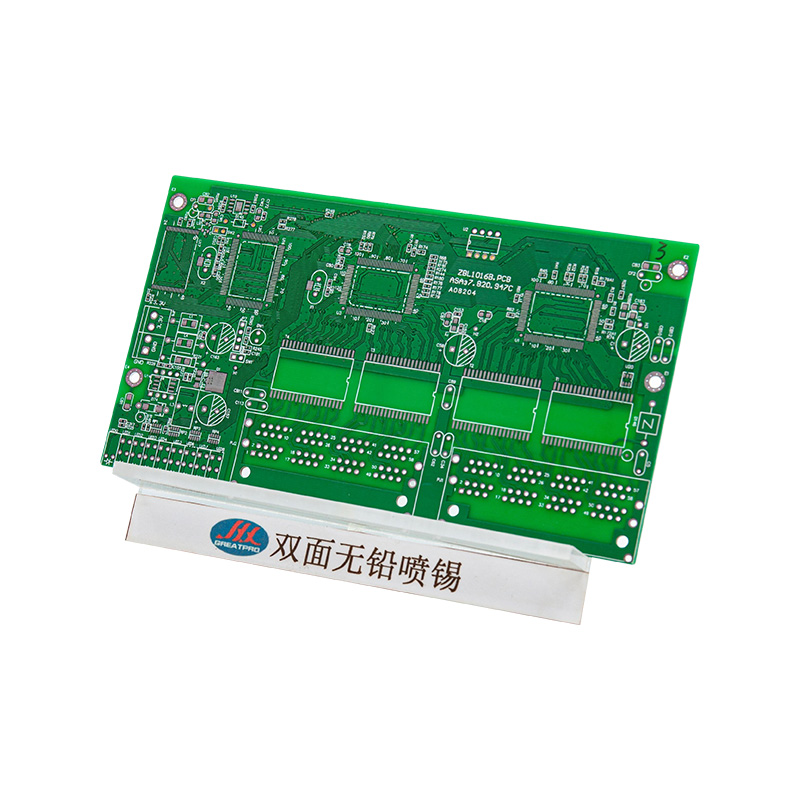
Four-Layer Double-Sided Green OSP Board
Four-layer double-sided green OSP boards, using high-reliability FR-4 base material and environmentally friendly OSP surface treatment, the green solder mask layer conforms to the visual standards of mass production in the PCB industry. It can seamlessly adapt to the automatic production line's soldering and inspection processes, significantly improving the production efficiency of batch production. The organic protective film formed by the OSP process has high temperature resistance and strong oxidation resistance, can precisely avoid the risk of welding short circuits, and with the four-layer optimized layering design, realizes efficient isolation of power and signal lines, effectively reducing signal crosstalk, and ensuring stable transmission of medium and high-speed circuits. The product supports flexible customization of board thickness, copper thickness, and fine line specifications, is compatible with various packaging processes, has undergone strict environmental reliability tests, and is suitable for mass production scenarios in industrial control, consumer electronics, security equipment, etc. It is a high-quality PCB solution that combines high cost performance, stable performance, and environmental compliance.
- Specification
- About Hongxin
- Contact Us
|
Material |
FR-4, aluminium-based, ceramic, metal, copper-based, high-frequency, rigid-flex combined, halogen-free |
|
Board thickness |
0.3 - 6mm |
|
Copper thickness |
0.5oz - 5oz |
|
Number of layers |
1 - 32 layers |
|
Origin |
Anhui, China |
|
Surface treatment |
Ordinary tin plating, lead-free tin plating, OSP, nickel/gold plating, blue tape, silver plating, tin plating |
|
Minimum hole diameter |
0.25mm |
|
Minimum line width |
3mil (0.075mm) |
|
Minimum line spacing |
0.075mm |
|
Ratio of board thickness to hole diameter |
10:6 |
Product Overview
A four-layer PCB provides additional routing options through its internal copper layers and outer-layer circuitry. It can support designs requiring more complex signal, power, or ground layouts. This product features a green solder mask and an OSP surface finish. The stack-up, board thickness, copper thickness, and impedance requirements should be confirmed against the customer's design files and engineering review.
Typical Applications
- Industrial control boards
- Communication and networking equipment
- Embedded control systems
- Electronic products requiring more complex routing
Key Features
- Four-layer construction provides additional routing capacity
- Signal, power, and ground layers can be arranged according to design requirements
- Green solder mask
- OSP surface finish
- Impedance requirements are determined by the actual circuit design
FAQ
Q: What are the advantages of a four-layer PCB over a double-sided PCB?
A: Four-layer construction adds routing capacity and more options for signal, power, and ground planning. The actual benefits depend on the stack-up, layout, and circuit requirements.
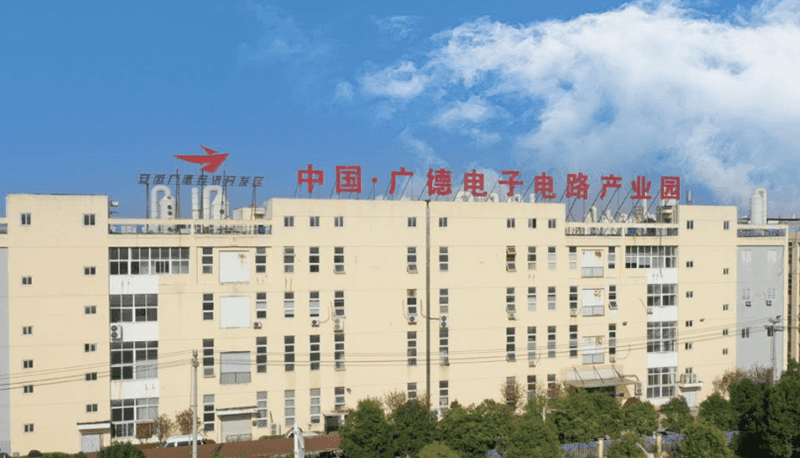
Anhui Hongxin Electronic Technology Co., Ltd. is located in the China PCB Industrial Park, Guangde Economic Development District, Anhui Province. Established in October 2013, our factory occupies 20,000 square meters and employs 110 staff members, including over 7 professional engineers with more than 15 years of experience. The company's PCB products include 1-32 layer boards, high-Tg boards, thick copper boards, rigid-flex boards, high-frequency boards, hybrid dielectric laminated boards, buried via boards, metal-based boards, and halogen-free boards. High-precision PCB rapid prototyping is available, with bulk orders for single- and double-sided boards delivered within 6-7 days, 4-8 layer boards within 9-20 days, 10-16 layer boards within 20-25 days, 16-32 layer boards within 25-45 days, HDI boards within 25 days, and double-sided prototyping deliverable as quickly as 24 hours. We are committed to providing high-quality products and professional services to global customers, and we have the capability to deliver both large quantities and small batches. The surface treatment processes of our products are complete. The base material types include FR-1, 22F, CEM-1, CEM-3, FR-4 (with high Tg, halogen-free, etc.), high-frequency boards, and metal substrates. All product types have passed ISO9001, ISO14001, ISO45001, IATF16949 international quality management system certifications, as well as UL safety certifications. Our sales network extends from inland areas to Southeast Asia, Europe, and America. In the fierce market competition, we have always received high praise from customers.
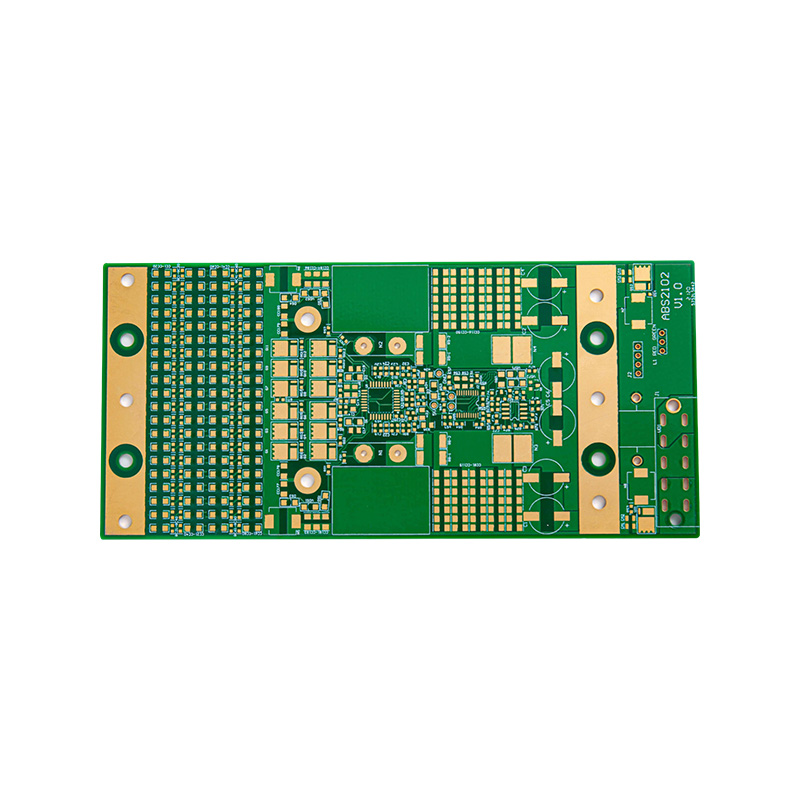


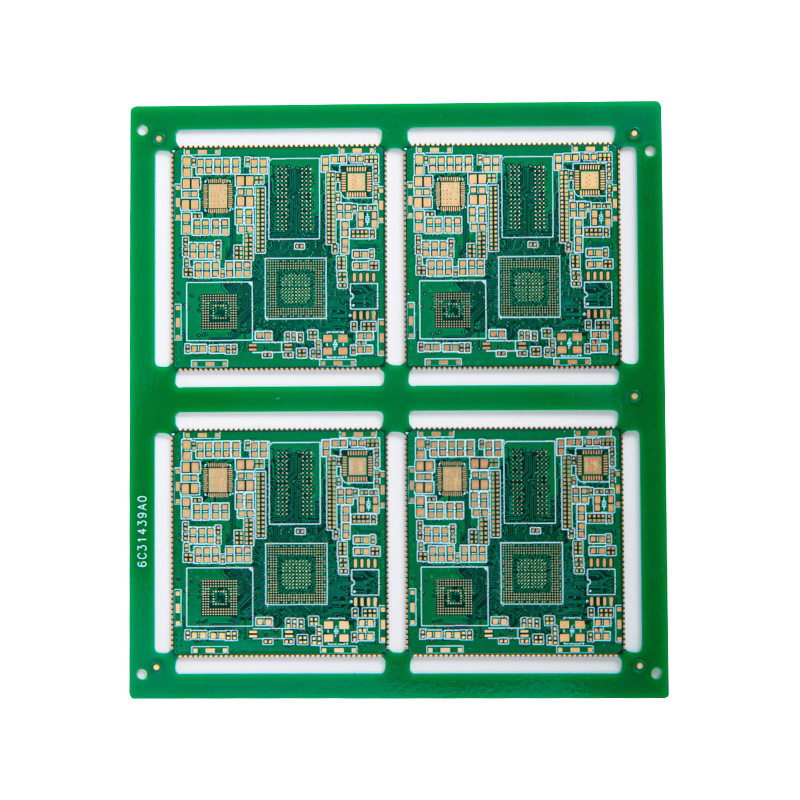
About
Anhui Hongxin Electronic Technology Co., Ltd.
Anhui Hongxin Electronic Technology Co., Ltd. is China Four-Layer Double-Sided Green OSP Board Suppliers and Wholesale Four-Layer Double-Sided Green OSP Board Factory. It is located in China P C B Industrial Park, Guangde Economic Development District, Anhui Province. Established in October 2 0 1 3, our factory occupied 8, 413 square meters and employs 110 staff members, including over 7 professional engineers with more than 15 years of experience. The company's P C B products include 1- 32 layer boards, high Tg boards, thick copper boards, rigid-flex boards, high- frequency boards, hybrid dielectric laminated boards, buried via boards, metal-based boards, and halogen- free boards. High-precision P C B rapid prototyping is available, with bulk orders for single and double -sided boards delivered within 6 - 7 days, 4 - 8 layer boards within 9 - 20 days, 10 - 16 layer boards within 20 - 25 days, 16 - 32 layer boards within 25 - 45 days, H D I boards within 25 days, and double- sided prototyping deliverable as quickly as 24 hours.
We are committed to providing high-quality products and professional services to global customers, and we have the capability to deliver orders of both large quantities and small batches. The surface treatment processes of our products are complete. The base material types include FR-1, 22F, CEM-1, CEM-3, FR-4 (with high Tg, halogen-free, etc.), high-frequency boards, and metal substrates. All product types have passed ISO9001, ISO14001, ISO45001, IATF16949 international quality management system certifications and UL safety certifications. Our sales network extends from inland areas to Southeast Asia and Europe and America. In the fierce market competition, we have always received high praise from customers.
Certificate Of Honour


 LET'S CREATE THE FUTURE TOGETHER

Contact Us Anytime
Copyright © Anhui Hongxin Electronic Technology Co., Ltd. All Rights
Reserved.
privacy
Wholesale Four-Layer Double-Sided Green OSP Board Suppliers, Factory

Message
We are committed to providing high-quality products and professional services to global customers
